What is Polymarket and how does it work?
Simply put, Polymarket is a prediction market platform. The site lets you trade contracts on future events, with your options being Yes or No. If you buy Yes contracts, you’re saying the outcome will occur. Conversely, picking No means you expect the event not to happen.
Besides Polymarket, I checked the basics of trading on Kalshi and also saw Yes-or-No event contracts. The same is true for other top US prediction market platforms.
For now, you can only trade event contracts by installing the Polymarket iOS app. The app is federally regulated by the Commodity Futures Trading Commission (CFTC), making it legitimate. From my findings, a Polymarket Android app is under development, but you can’t trade on the website in the US.
Contract pricing and payout
In my experience, the event contracts on Polymarket generally cost between $0.01 and $0.99. If your prediction is correct, the payout is $1 for each event contract. However, if your prediction is wrong, you won’t get any payout, as the contracts become $0.
My first trade on Polymarket was on a crypto event, and here’s how it went:
| Event | Will Bitcoin hit $64,000 before the end of the month? |
| Yes | $0.61 |
| No | $0.40 |
Adding both contracts gives you $1.01 instead of $1, which is what the contracts will resolve to if correct. The $0.01 difference can be due to the bid-ask spread or other market conditions influenced by liquidity. You can read this guide on how liquidity works in prediction markets to learn more.
I believed BTC would reach the price, so I purchased 100 Yes contracts. That cost me $61. Before the end of the month, Bitcoin’s price appreciated to $64,000, and I received a $100 payout from Polymarket. Therefore, my profit was $39.
The above is a simple example of how to trade on Polymarket. That said, you don’t necessarily have to hold the contract until the event ends. You can also sell your positions early if there’s a buyer available.
Is Polymarket a sportsbook?
No, Polymarket isn’t a sportsbook because the platform doesn’t assign prices to its events. As I hinted in the introduction, the prediction markets are P2P. If you want to buy an event contract on Polymarket, there has to be a seller on the other end. Otherwise, the order won’t go through.
Based on what prediction markets are, the contract prices come from trading activity and supply and demand. A contract's price increases when more traders buy and decreases when more sell. In comparison, a traditional sportsbook site directly sets odds for betting markets.
I should mention that Polymarket’s contract prices also represent the market’s estimated probability of an outcome. So, if you see $0.61, it means the event is considered to have around a 61% likelihood of happening.
What prediction markets are available on Polymarket?
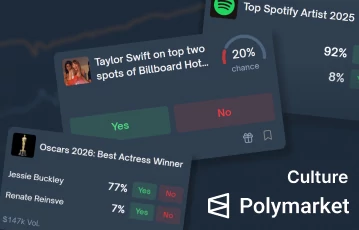
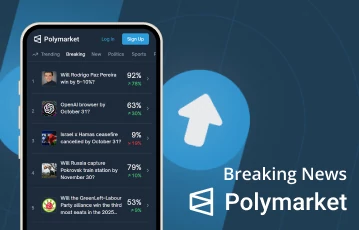
After a firsthand count, I can say that Polymarket has 10+ prediction market categories. I’ve listed the most popular ones among event traders below:
- Sports
- Politics
- Crypto
- Culture
- Technology
- Economy
- Weather
In each category, you’ll still be buying Yes and No event contracts. Polymarket supports live prediction markets, allowing you to trade contracts while an event is ongoing. You can also combine multiple outcomes into one combo contract.
During my Kalshi vs Polymarket comparison, I found that the former platform also covers most of the prediction market categories I listed. Also, Kalshi supports live trading and combos.
However, some alternative prediction market brands have much less coverage. For instance, in my PredictIt vs Polymarket difference tests, I only saw political and financial events at the former.
Upsides and downsides of Polymarket
I took a closer look at Polymarket and its offerings in the US, and these are the pros and cons I concluded:
Conclusion – Polymarket is a reliable prediction market platform
In summary, Polymarket represents future events as tradable Yes or No contracts. You buy and sell the contracts with prices changing according to supply and demand. Unlike regular sportsbooks, Polymarket doesn’t set and adjust the prices by itself.
I appreciate that Polymarket lists several event categories, from sports to politics, culture, and more. If your predictions are correct, you receive a simple $1 payout per contract.
For me, Polymarket’s main drawback is that it’s limited to the iOS app in the US. I’d prefer if the platform worked on Android or web, but that may be possible over time.
If you’re considering trading on Polymarket, you can install the iOS app and register within minutes. To get started, tap the Polymarket banners on this page.
What is Polymarket? FAQs
📉 How do Polymarket prediction markets work?
Polymarket’s prediction markets feature Yes-or-No event contracts. You buy Yes in support of an outcome and No against it. The payout is $1 per contract if your prediction is correct and $0 if it’s wrong.
✅ Is Polymarket legal?
Polymarket is available in the US under CFTC oversight. However, you should check your state’s laws to confirm whether the platform is legal.
📱 What is the Polymarket app?
The Polymarket app is a mobile platform where you can trade in prediction markets. This app is available on iOS, so you can install it from the Apple App Store.
💰 Does Polymarket use real money?
Yes, Polymarket is a real money prediction market platform. In the app, you have to deposit funds to trade event contracts, with potential payouts each time your prediction is correct.
Recommended