If you’ve ever wondered exactly how sports event contracts have become so pervasive so quickly, Amanda Fischer has the answer.
“The agencies tasked with enforcing those laws are too slow, too captured, too hamstrung to enforce the law as it exists,” said Fischer, the head of policy and COO for Better Markets, during a webinar Wednesday. “This has long been the playbook of folks in the financial industry, which is to claim that something is ambiguous, do it, and hope that law enforcement can’t catch you.
“A lot of these venture-capital backed industries or plunderers did it with crypto, and now that that battle has largely been won when all the lawsuits at the federal level have been dismissed, they’re moving into prediction markets, and it’s the exact same playbook.”
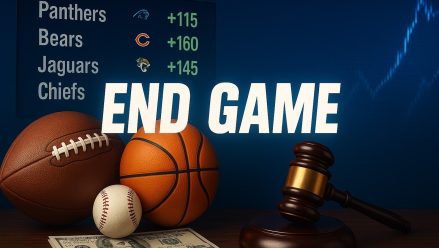
Fischer was a guest on the New Normal webcast titled “Who Regulates the Regulators? The CFTC’s Predictable Failure on Prediction Markets,” and she helped give context to how and why sports event contracts have made inroads. The contracts, which are billed as financial tools but look like sports betting products, are available on myriad platforms ranging from pioneer Kalshi to Crypto.com to Fanatics Markets, which launched Dec. 3. Wagering industry market leaders DraftKings and FanDuel also have plans to launch their own markets.
Fischer is the former chief of staff at the Securities Exchange Commission and a former congressional staffer. She brings a new voice and different institutional knowledge to the ongoing discussion about the status of sports event contracts. Within in the gambling industry, state regulators and Indian County almost uniformly oppose the offering of sports event contracts, saying the financial tools mimic sports betting and encroach on state and tribal exclusivity and sovereignty. Agencies and organizations from both worlds have rallied against prediction markets via cease-and-desist letters, warnings to state-regulated operators, lawsuits, and amicus briefs.
The fight, Fischer said, is “winnable, it’s just going to take a lot of coalition building.”
New Normal host Victor Rocha, the Indian Gaming Association conference chair, welcomes Better Markets, a non-partisan, non-profit organization that “fights for a financial system that serves society and supports the productive economy,” per its website, as an ally. Better Markets lobbies on Capitol Hill and educates lawmakers on subjects ranging from artificial intelligence to climate to cryptocurrency to derivatives. Many of the organization’s areas of expertise at least touch, if not overlap with, interests of the gambling industry.
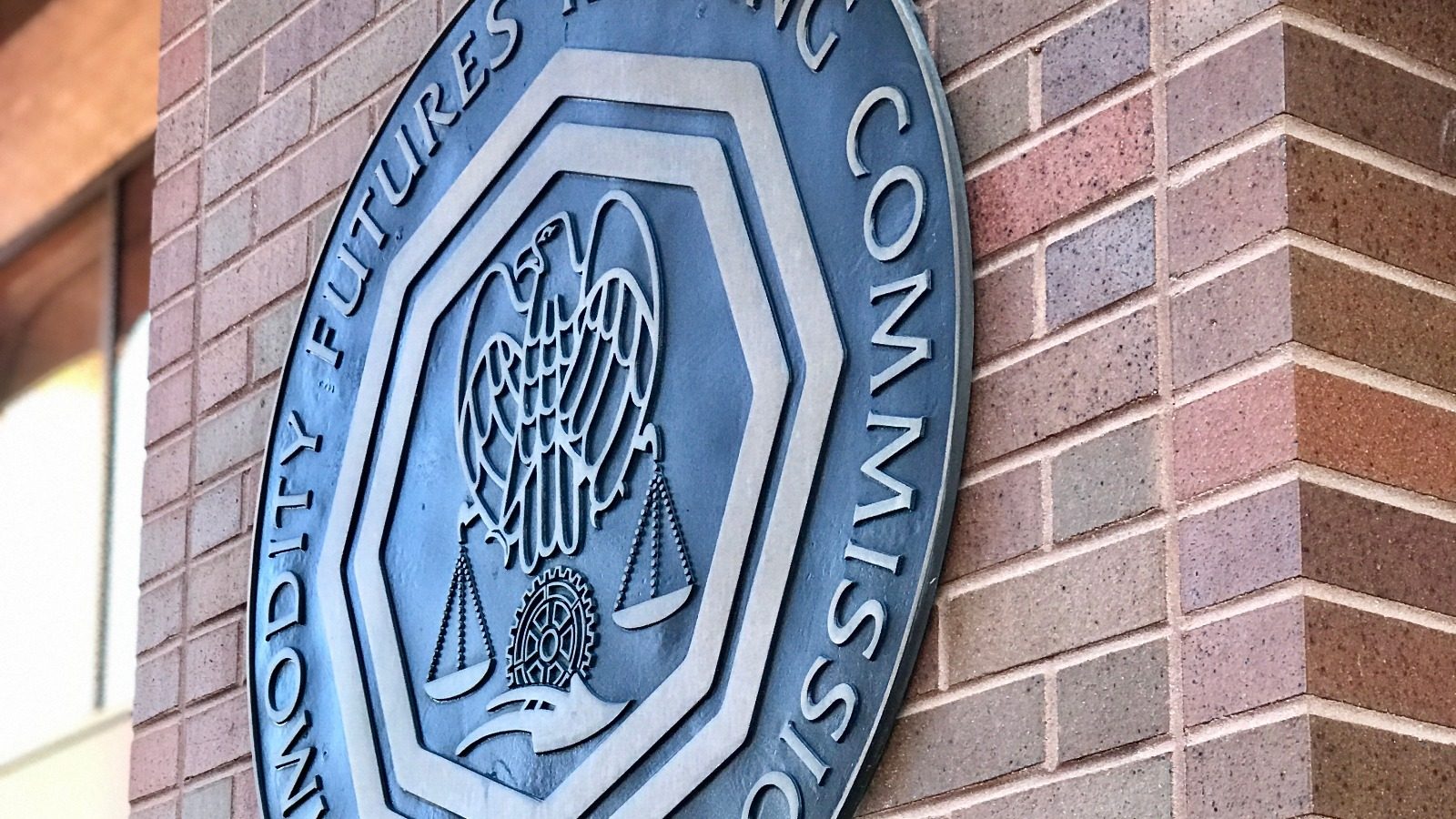
In the big picture, Fischer said, prediction markets have seized on a unique political climate rife with confusion and misdirection to make their play. The Commodity Futures Trading Commission (CFTC) “does have the tools to shut [sports event contracts] down,” she said, but instead has been inert. The agency currently has a single commissioner, and the search for a new one is being directed by the Trump administration, which is pro crypto, but has also been swayed by Trump allies, including the Winklevoss twins, billionaire owners of Gemini AI, which Monday launched its own prediction market.
What about a CFTC lawsuit?
State regulators and several tribes are in court with Crypto.com, Kalshi, and Robinhood, but so far there have been no lawsuits against the CFTC itself. The agency is tasked with overseeing derivatives markets, and on its website says its mission “is to promote the integrity, resilience, and vibrancy of the U.S. derivatives markets through sound regulation.” But its licensees can self-certify, and since Kalshi did so to offer betting on the Super Bowl in early 2025, it has not pushed back on any sports event contracts.
The gambling industry has questioned that lack of action, particularly because the Commodity Exchange Act (CEA) — which the CFTC is tasked with implementing — clearly states that contracts on “terrorism, assassination, war, gaming (gambling), or any activity that is unlawful under state or federal law” are prohibited.
So far, though, there has been no avenue through which to sue the agency.
“In order to sue a federal agency, you have to seize on a final agency action,” lawyer Scott Crowell said on the webinar. “There’s not clear final agency action to seize upon. So, do we have a viable claim against the CFTC under the APA (Administrative Procedure Act) when they have not taken any action? There is some case law that says that inaction is ultimately action.”
Crowell said he is aware that the legal community has been discussing how to move forward on this front.
Prediction markets a bad fit for CFTC
In the bigger picture, the CFTC was created to regulate commodities trading — think coffee, corn, natural gas, or gold — but the companies offering prediction markets are pushing the envelope, and the CFTC, Fischer said, is “just not fit for purpose” when it comes to regulating gambling.
“The statutory tools they have, the staff that they have, the understanding of gambling markets, the ability to impose age limits or other consumer protections, it’s just unfit for purpose,” she said. “It’s a round peg-square hole.”
Fischer went to explain that the self-certification process was initially designed for “agricultural interests.” For example, if there was a high chance of drought, farmers could quickly hedge risk. Or if it appeared that fuel prices were going to rise, airlines would have an avenue to hedge risk. She called the contracts “a very important, but plain vanilla asset class” that prediction markets have stretched and strained to get their products to fit into.
In the prediction market scenario, “the self-certification regime becomes like an EZ Pass lane to get anything past the goalies even if they wanted to stop them.
“What does a same-game parlay for a Bills game have to do with position limits? I couldn’t tell you because it’s not designed for that. The tools that gambling regulators have are designed” for that.
She went on to say that the CFTC lacks the ability to determine if an NBA player is altering his performance to “juice prediction market contracts” or if CEOs “are manipulating the words that they say on earnings calls to juice prediction market contracts.” The latter comment was likely targeted at Coinbase CEO Brian Armstrong, who tossed in a string of key words that some had bought contracts on at the end of an earnings call.
Congress starting to take an interest
As the country awaits the final Senate hearing to appoint Michael Selig the new head of the CFTC, the House Committee on Agriculture and others are beginning to take a harder look at prediction markets.
The House committee last week held a stakeholder session about the CFTC, and some members of the committee asked questions about whether prediction markets are legal and why staffing at the CFTC is low, as it prepares to reauthorize the agency. Arizona Rep. Abe Hamadeh Monday sent a letter to acting CFTC Chair Caroline Pham calling Kalshi’s partnership with CNN “outright dangerous,” and writing that it could allow the network to “influence and profit from geopolitical events in real time.”
“It’s a good sign that they are kicking the tires,” Fischer said.
The reauthorization process is about amending the CEA, and Congress could decide to amend the law to specifically make sports event contracts illegal. The webinar panel also pointed to the Senate “Clarity Act,” a bill that would create a regulatory framework for cryptocurrency as another way to have prediction markets made illegal. The bill would open the CEA to amendments, and Fischer said, “it would take all of three sentences to shut [prediction markets] down.” She went on to say that banning prediction markets might just be a “fair price of admission” when it comes to political horse trading.
Jason Giles, IGA’s executive director and webinar co-host, chuckled, and said, “We have proposed marking this up, and eliminated prediction markets in less than three sentences.”