In the moment, Joe S. Nayquonabe Jr.’s observations seemed akin to a velociraptor gazing skyward 66 million years ago and appreciating the beauty of the glowing object filling the sky.
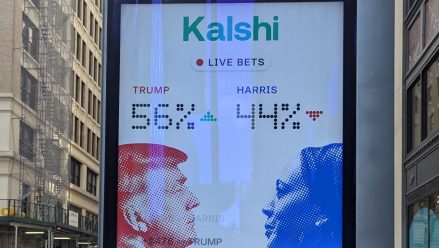
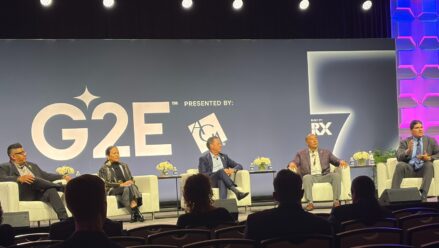
As part of a panel discussion on external threats to tribal gambling at the National Council of Legislators from Gaming States winter conference in San Juan, Puerto Rico, in mid-December, Nayquonabe Jr. saw more than an existential threat in prediction markets like Kashi, Polymarket, and an ever-increasing roster from traditional sportsbooks.
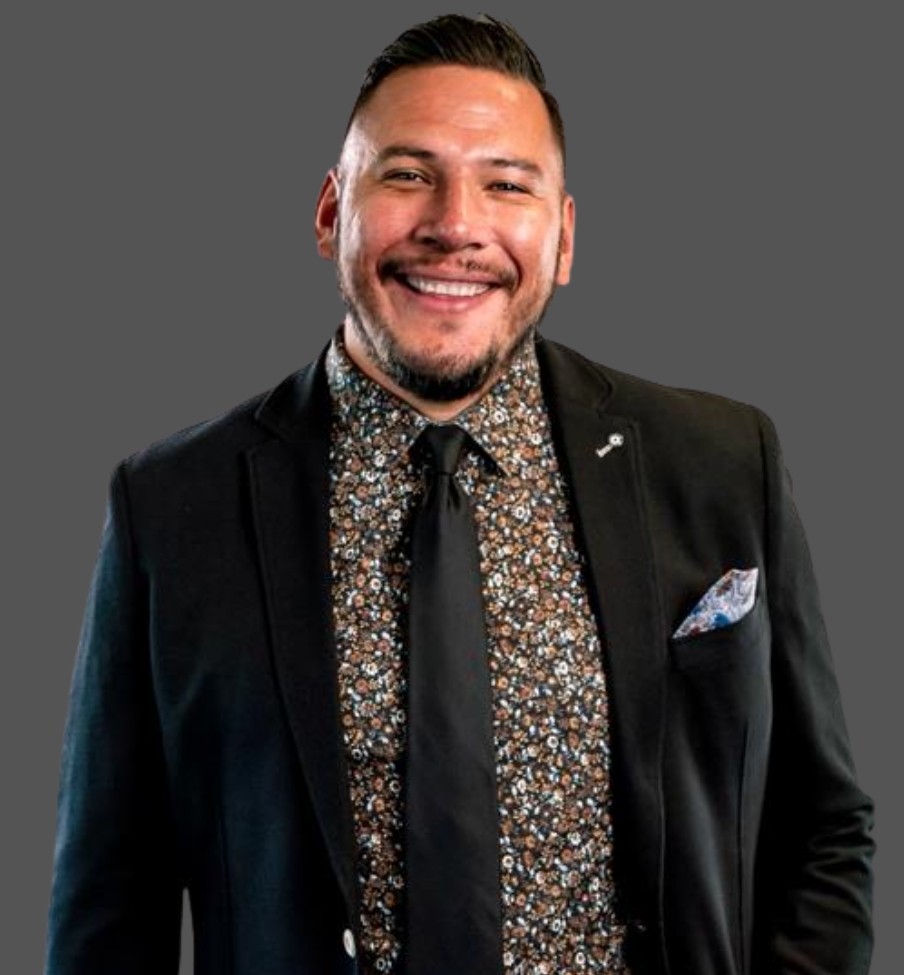
Credit: Saginaw Chippewa Indian Tribe of Michigan
As a member of the Mille Lacs Band of Ojibwe in Minnesota, where he runs Soaring Eagle Casino & Resort, Saganing Eagles Landing Casino & Hotel, and the Eagle Casino & Sports online platform in Michigan, he said he chooses to leave the legality of prediction markets to others. But as a self-described “marketer at heart,” he sees a lot to like in these insurgent platforms that tribal gambling companies have overwhelmingly lambasted as illegal incursions upon their operations and sovereignty.
Nayquonabe Jr.’s fellow panelists — like the overwhelming majority of tribal gambling — did not share his wonderment on the possibilities of being able to place a wager involving Pope Leo XIV. But his public expression of opinion also illustrates that tribal gambling does not move as a synchronous bloc in message or opinion.
“I would say it’s by far the coolest and most exciting thing happening in gambling right now,” Nayquonabe Jr. said, noting he was addressing prediction markets from a consumer perspective. “Last night, I went on FanDuel and looked at their top page on their app, and they had super-generic football, three football helmets, super generic, really boring. I went on the DraftKings site. They had Shaquille O’Neal on theirs in this little small icon, and then I went on the Kalshi app, and they had the pope. And you could bet on whether or not he was going to be the Time Person of the Year.
“And I thought that was just a very apt perspective on where we’re at with prediction markets and why they’re so powerful. The Kalshi platform is clearly more tailored toward consumers, so it’s a much broader market. Everything that I saw there says everything you need to know about prediction markets. It’s targeting a much broader audience.”
He finds prediction markets fun
Nayquonabe Jr. considers prediction market user experience more enticing to casual bettors because of the variety of markets — from pop culture and economics to politics and sports — and more intuitive because the yes/no outcomes don’t involve odds.
“I think when we talked about it, we say it’s gambling, but more fun,” he said. “There’s a bunch of different things that you can bet on and engage with on the platform.
“The pricing is much more intuitive to just regular, everyday people. You don’t have to be this gambling expert, or you don’t have to know what your uncle taught you about -110 when you’re trying to place bets.
“And again, it’s a bunch of relevant things from a cultural perspective, and it’s just a lot stickier from a consumer perspective. And I think that’s what makes my first statement that it’s the coolest, most exciting thing, is because of that. It’s got a broad appeal to a broad audience.”
“I would say it’s by far the coolest and most exciting thing happening in gambling right now.”
Joe S. Nayquonabe Jr.
While tribal gambling companies and state regulators and attorneys general continue to legally refute prediction markets’ assertions that Commodity Futures Trading Commission certification makes their national sports betting offerings legal, Nayquonabe Jr. said there are things that can be co-opted from their model for the benefit of other operators.
“We can debate all day about how sneaky it is, and how they’re getting around state regulation and that, but there is really no denying the types of lessons that we can learn from what they’re doing on the platform,” he said. “It’s very well designed, and I think that’s why it’s news. It’s because people are so excited about what they’re able to do on that platform.”
Nayquonabe Jr. acknowledged that perspective is crucial. If he were working for a tribal sports betting company in Minnesota — where sports betting is not yet legal — he posited, “I’m trying to fight this all day long because it is a very competitive product compared to anything that can come into the market.” But as the CEO of three outlets in Michigan, he said, “it’s like how is Soaring Eagle Gaming, how are our apps and platforms going to compete if we’re not able to offer this broad set of products that clearly are grabbing the attention, grabbing the investment of consumers.
“So, we wrestle with that, where we have to be competitive, and we have to do what we need to do for our stakeholders and our consumers. And at the same time, we do want to understand and participate in what’s going on from an Indian gaming perspective and a broader gaming perspective on how this needs to be properly legalized and regulated.”
Tribal gambling peers: Eradicate, don’t emulate
Fellow panelists and the tribal gambling industry in general remain more immediately concerned with eradicating an industry that a recent Eilers & Krejcik report claims could generate upward of $1 trillion in volume annually.
Daniel Little, chief intergovernmental affairs officer, Yuhaaviatam of San Manuel Nation in California, emphasized the tax revenue lost for states or tribes, but also considers responsible gambling a concern.
“Those really good responsible gaming measures that the commercial gaming industry, state lotteries, tribal governments have done a really good job putting into place to ensure consumer protections are in place, they’re non-existent because it’s an online space,” he said of prediction markets. “You can’t have that personal connection with the consumer. So we take this very seriously. We’ve been very involved.
“Any time when you have states, especially the state of Nevada and California tribes partnering up on one issue, you know it’s a serious issue. San Manuel, the state, has been filing amicus briefs in support of Nevada’s efforts against Kalshi and a few other companies.”
Nevada regulators are embroiled in litigation seeking to bar Kalshi from the state. In November, a federal judge denied an injunction sought by three California tribes that would have prevented the same platform from offering its wares on tribal land.
Matt Morgan, chairman of the Oklahoma Indian Gaming Association (OIGA), lumped prediction markets in with sweepstakes casinos as the latest incursion of tribal economic independence.
“People want to come in and take things that we’ve built and we’ve worked for. What does that look like? Almost a $44 billion industry last year in a report put out by the National Gaming Commission,” he said. “And so, when it comes to sports prediction contracts, it’s not the first. It’s not going to be the last. That industry is trying to be very unique and very — I think, Joe said it, looking to be exciting. They want to look at what customers demand. So do we. But we have to do it within the law that is written today.”
Morgan said prediction market claims that federal law pre-empts state attempts to regulate them “does not hold water.”
“There’s only one problem with that. In tribal gaming, we have the Indian Gaming Regulatory Act, also a federal law,” he said. “And what we are asking as tribal governments from my members at OIGA … they’re simply asking for the due respect to not come on our tribal jurisdictions without meeting with us and operating within our laws.”