Commercial operators Friday filed a digital sports betting initiative petition in Nebraska, multiple sources confirmed to InGame. The initiative language is not yet publicly available, but sources say operators will be required to be tethered to horse racing facilities, and the tax rate will be set at 20%. In addition, a share of the tax revenue will be earmarked for property tax relief.
In-person wagering has been live in Nebraska since June 2023, after voters in November 2020 approved an initiative that allows for retail sports betting.
As of Monday morning, such an initiative did not appear on the secretary of state’s “Current Petitions in Circulation” webpage, and the state does not publicly list initiatives that have been filed but not yet approved.
The proposal is backed by major operators, as well as some of the state’s existing casinos and horsemen’s group.
“There is a distinct appetite for sport digital sports betting in Nebraska, it polls very high,” Lynne McNally, director of government relations for WarHorse Casino and CEO of Nebraska Horsemen, told InGame. “If we can add to property tax relief, we would like to do that. … We would love to get this past the finish line and give people the opportunity to bet the same way that people in more than 30 other jurisdictions have now.”
Seven states have approved some kind of sports betting by initiative, including Arkansas (2018), Colorado (2019), Louisiana (2020), Maryland (2020), and Missouri (2024) where voters approved statewide mobile betting. Nebraskans passed the initiative that legalized games of chance in 2020, and the state legislature ultimately determined that in-person betting fit the definition, but digital betting did not.
Legalizing by initiative has been a challenge for commercial operators. An attempt in California in 2022 failed spectacularly, and that same year, operators withdrew an attempt in Florida. In Colorado and Missouri, proposals — not all run by operators — barely passed.
How to get an initiative on the ballot
In Nebraska, proponents must gather qualified signatures from 7% of registered voters for an initiative and 10% for a constitutional amendment. In addition, qualified signatures from 5% of registered voters in 39 of the state’s 93 counties are required. According to the SOS site, 1,254,120 voters were registered in the state as of Jan. 1.
In other states, initiative efforts have started sooner. And the sponsors of the 2020 Nebraska initiative were already collecting signatures by football season in 2019. That effort was interrupted by winter weather and COVID-19 shutdowns, but McNally said sponsors gathered more than 750,000 signatures for the three initiatives, despite a hiatus in signature gathering between November and March. At that time, due to fears around COVID, sponsors ordered 100,000 plain white pens in order to give each person their own, sanitized pen.
“Maybe we are overly optimistic, but we’ve had success in much more difficult circumstances,” she said.
Once an initiative petition is filed, the state has 10 days to suggest changes or approve. From there, the timeline could stretch out based on how quickly the sponsor accepts or rejects the changes and how quickly the state approves the language. One source said the process will be fast-tracked.
Initiative sponsors will have until four months before the election, which is scheduled for Nov. 3, to collect signatures, meaning signatures will be due in early July. The state then has up to 50 days to verify signatures and put an initiative on the ballot.
According to the secretary of state’s website, nine initiatives have already been approved for the midterm election ballot.
Legislature considering issue?
Nebraska lawmakers in 2025 considered expanded sports betting to the digital realm, but the package of bills that would also have ultimately sent the decision to voters was killed via filibuster in April. Bill sponsor Eliot Bostar pulled his constitutional amendment 3½ hours into a filibuster, likely because he did not have the votes.
Bostar’s constitutional amendment was the only bill of a package of three that got to the Senate floor. All of the bills carry forward to the 2026 session, which opened Jan. 7.
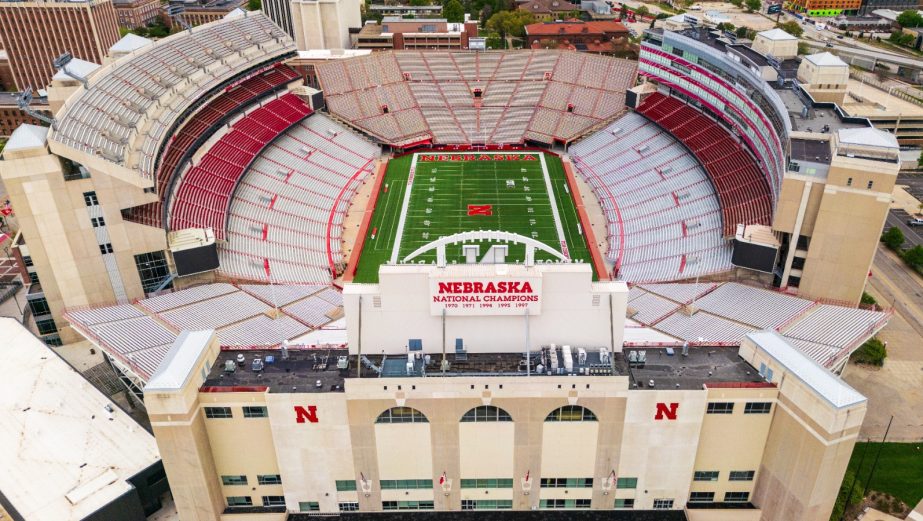
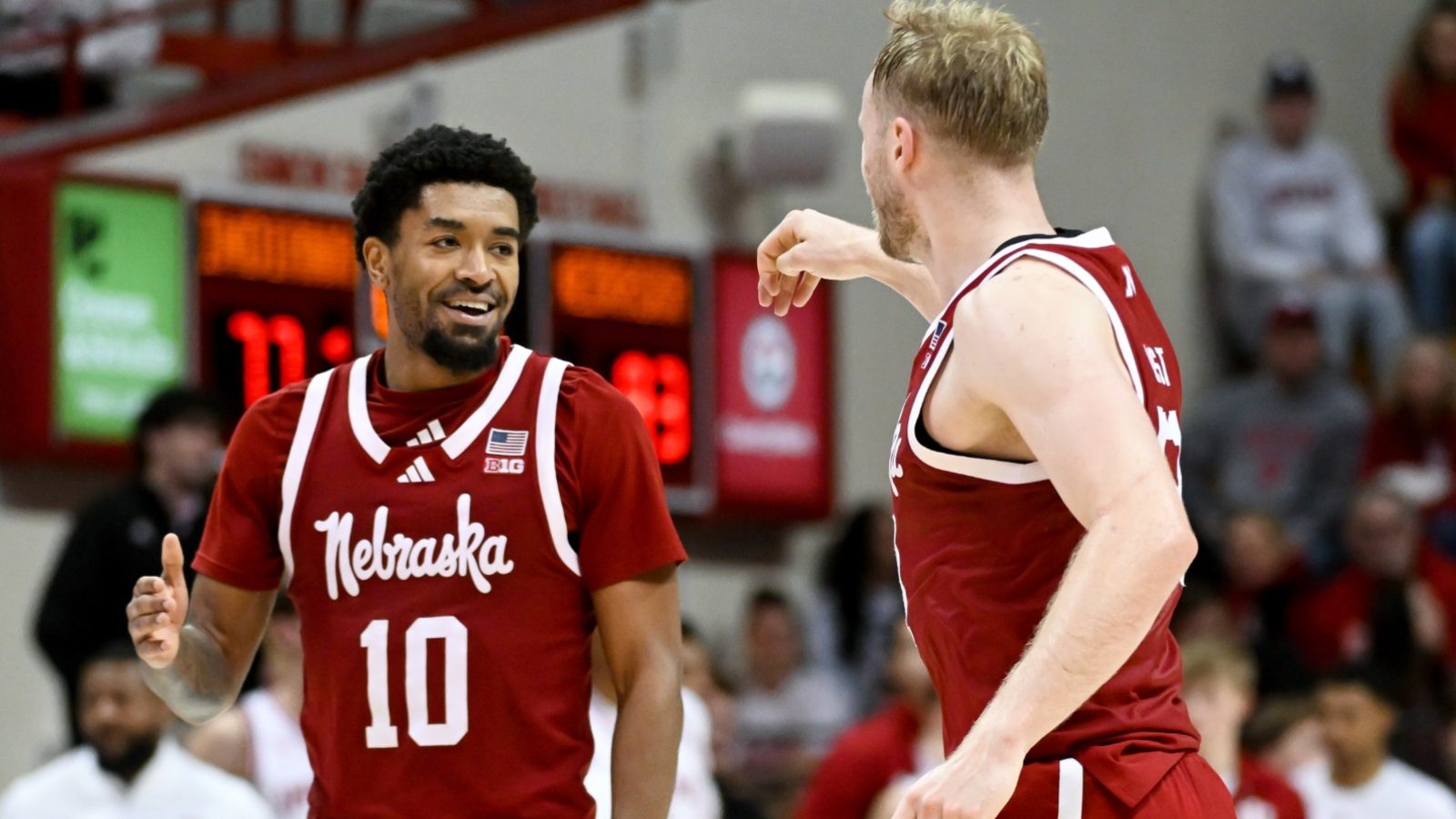
In the legislature, sports betting has been a contentious issue. After voters passed the initiative to allow games of chance, the legislature had months of discussion and debate before putting a framework together — and that includes a ban on betting on hometown teams (like Nebraska or Creighton) when they are playing at home. In the current landscape, that means that those in Nebraska who want to bet on the Nebraska basketball team, currently 16-0 after beating Indiana and Penn State in the last week, must cross the border to a legal betting state to wager when the team is at home.
Nebraska is the only legal betting state with a team in a “Power 4” conference with such a limitation.
The package of digital betting bills would have allowed for statewide online sports betting with digital platforms tethered to racetracks. The package would have capped the number of platforms at six.