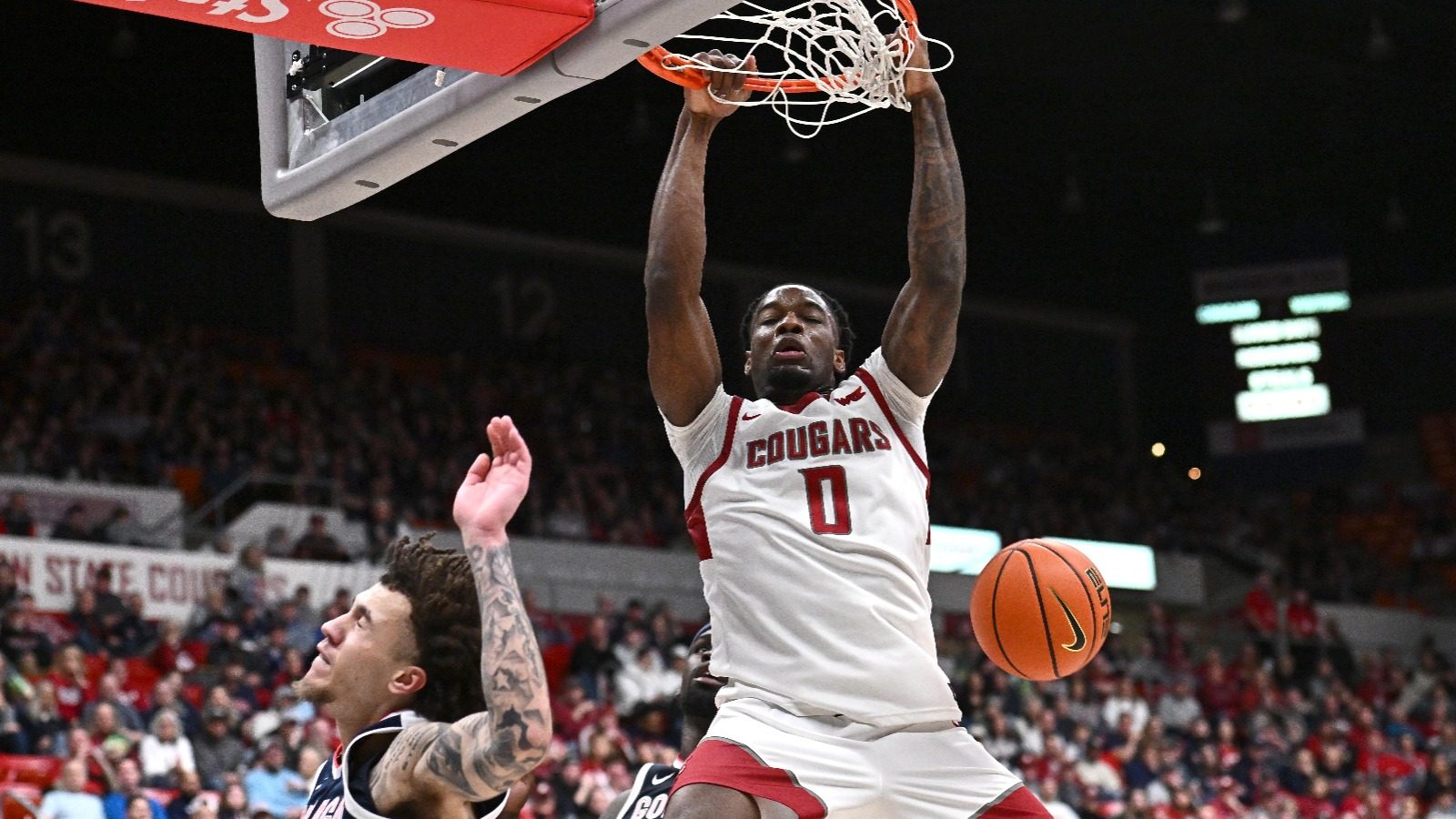
While lawmakers in states including Massachusetts, New Jersey, and New York have introduced bills that would limit or eliminate proposition betting, Washington State lawmakers are considering a pair of bills that would remove a restriction on prop bets on in-state college teams but keep props on in-state college players illegal. The bills would also make it a Class C felony — the lowest level of a felony — to harass an athlete.
The bills, which have the support of Washington’s Indian Country, would also create a setup that would allow smaller gaming tribes to partner with bigger ones for sportsbook products.
Lawmakers in Washington State legalized in-person sports betting in March 2020. Tribes in the state have exclusivity for Class III gaming, but so far the tribes and the state have not legalized online sports betting.
The House Committee on State Government & Tribal Relations Executive Committee advanced HB 2205 Friday following an informational hearing Jan. 16.
The Senate Committee on Business, Trade & Economic Development Thursday held an informational hearing on SB 6137, and the executive committee is set to consider it Wednesday at 8 a.m.
Tribes support, but WSU doesn’t
Several tribal representatives spoke in favor of the bill Thursday, saying it would keep bettors from going to the black market to place proposition bets, that the proposal draws a “bright line” to protect Washington athletes, and that it would allow smaller tribes to benefit more from legal sports betting.
A representative from Washington State University spoke in strong opposition, saying, “It gives all of the benefits to others, and all of the harm to us.” He noted that one in three WSU athletes have been harassed online and said the “timing for this bill almost couldn’t be worse, as the expansion [of sports betting] has led to a rash of sports betting scandals.”
With regard to allowing some proposition bets, Kevin Zenishek, executive director of Casino Operations Northern Quest Resort & Casino (Kalispell Tribe), told InGame that once betting markets are made legal, it “allows us to monitor and catch problems. It’s incredible how quickly [integrity monitors] can move on that stuff, but you’re flying blind on the illegal markets.”
He also said that despite proponents’ concerns, the proposal “isn’t a big expansion, it’s just getting things out into the light.”
The Washington bills also aim to create more parity among gaming tribes in the state, so that smaller or more remote tribes can get in on sports betting. The change, Zenishek said, would allow for in-person and on-site mobile on “reservations and other land approved for gaming,” like land held in trust. The smaller tribes would be able to partner with bigger tribes, many of which have partnerships with major sportsbooks.
Tribes in Washington State have exclusivity for Class III gaming, and do not pay taxes to the state, but do fund vital services, including schools and healthcare clinics, create jobs, and make significant donations to charitable and non-profit organizations.
In other news…
Here’s a look at other new bills or activity on existing bills (and one regulatory item) this week:
Missouri: The Missouri Gaming Commission Thursday decided it will not ban college-player propositions following an NCAA request that legal betting states do so. Missouri sports betting went live Jan. 1, and the current law allows such bets except for those on athletes who play for Missouri teams.
Virginia: The General Laws Committee Thursday advanced HB 515, which would ban funding accounts with credit cards, out. Should the bill become law, Virginia would join at least nine other states in prohibiting credit-card funding.
West Virginia: A bill filed Jan. 16 and sent to the House Local Governments Committee would more than double the online sports betting tax. HB 4398 proposes to increase the tax on adjusted gross revenue from 10% to 25%.