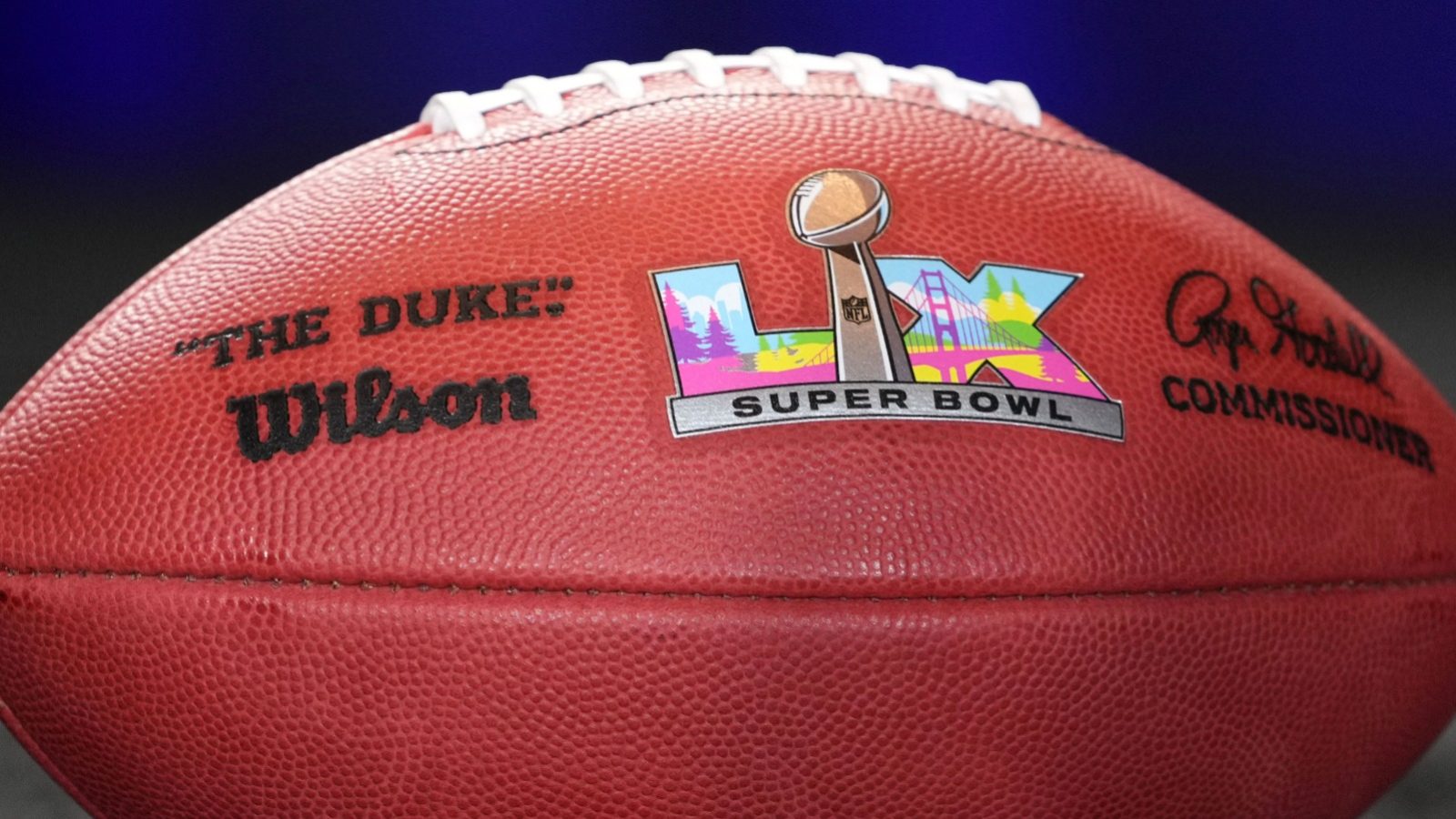
The American Gaming Association (AGA) Friday projected that $1.76 billion will be bet via legal platforms in the U.S. on Super Bowl LX, set for Feb. 8 at Levi’s Stadium in Santa Clara, California. That estimate is up $370 million against the 2025 projection. This year’s game will pit the New England Patriots against the Seattle Seahawks.
Since last year’s Super Bowl, only Missouri has added live sports betting. The state regulator launched operators Dec. 1, 2025.
The AGA’s projection is based on past betting around the Super Bowl and historical revenue data, in addition to an online survey of 1,025 sportsbook and prediction market bettors conducted by Experiential Insights, LLC Dec. 16-31, 2025.
While the projected amount of money that may be bet is up, the AGA in its press release focused on consumer confusion regarding state-regulated sportsbooks vs. federally regulated prediction markets. The AGA, a trade organization of retail and online gambling operators and suppliers, has been lobbying across the country in support of state vs. federally regulated gaming since Kalshi began offering sports event contracts ahead of the 2025 Super Bowl.
“No single event brings fans together like the Super Bowl, and this record figure shows just how much Americans enjoy sports betting as part of the experience,” said Bill Miller, AGA president and CEO, via press release. “By choosing legal, regulated sportsbooks, fans are having fun while supporting a safe and responsible market.”
The AGA calls prediction markets “unauthorized nationwide sports betting under the guise of ‘event contracts’ to evade state law and strip tribes and states of regulatory jurisdiction” on its website.
Consumer confusion
According to an AGA study, 78% of those who bet on prediction markets say they believe that state regulatory agencies could solve disputes. But the prediction markets available in the U.S. — whether Kalshi, Polymarket, DraftKings Predictions, Fanatics Markets, or FanDuel Predicts — are regulated by the Commodity Futures Trading Commission (CFTC), not state regulators. CFTC-approved prediction markets can self-certify what markets they want to offer, and there have already been questions about market manipulation.
Per the AGA press release, 28% of sports event contract traders view the activity as “investing” vs. 9% of traditional sportsbook customers, and 25% of sports event contract traders fund their contracts with investment funds vs. 9% of traditional sportsbook customers. In addition, 28% of prediction market customers said they could easily locate responsible gaming tools on the platform vs. 58% of customers on traditional sportsbooks.
A key issue for the AGA is that prediction markets lack the stringent consumer protections required by state regulators. This includes access to responsible gambling tools, a requirement to prominently display a gambling helpline number, the ability to self-exclude, and more. Many state regulators have sent cease-and-desist letters to Kalshi and Polymarket or warned state licensees against partnering with or operating prediction markets. Prediction markets do not pay taxes to the state, and some stakeholders say the rise of prediction markets is taking revenue away from states and tribes.
There are also at least 15 lawsuits involving prediction markets Coinbase, Crypto.com, Kalshi, Polymarket, and Robinhood ongoing across the U.S.
In November 2025, DraftKings and FanDuel resigned from the AGA under pressure after it became clear that the organization would not support members involved with prediction markets. Fanatics followed suit in December. In January, two key suppliers, OpenBet and Sportradar, opted not to renew their memberships. Both work with FanDuel and either DraftKings or Fanatics.