Kalshi is facing criminal charges for the first time, as Arizona Attorney General Kris Mayes filed 20 charges against the prediction market in state court Tuesday.
The state announced that it had charged Kalshi with 17 counts of violating its laws on betting and wagering and three counts of violating its election wagering laws.
Kalshi_FilingThe charges note that the platform had taken bets on sporting events including the Super Bowl, a college basketball game winner, a range of props, spreads, and game totals, and an NBA parlay bet. It also took bets on whether Elon Musk would attend the Super Bowl, whether the SAVE Act would pass, the 2026 midterm elections, the 2028 presidential election and Arizona’s elections for governor and secretary of state.
Other states have brought civil proceedings against Kalshi, with Nevada and Massachusetts suing the prediction market in state civil courts. However, no state has tried to bring criminal charges against the business before.
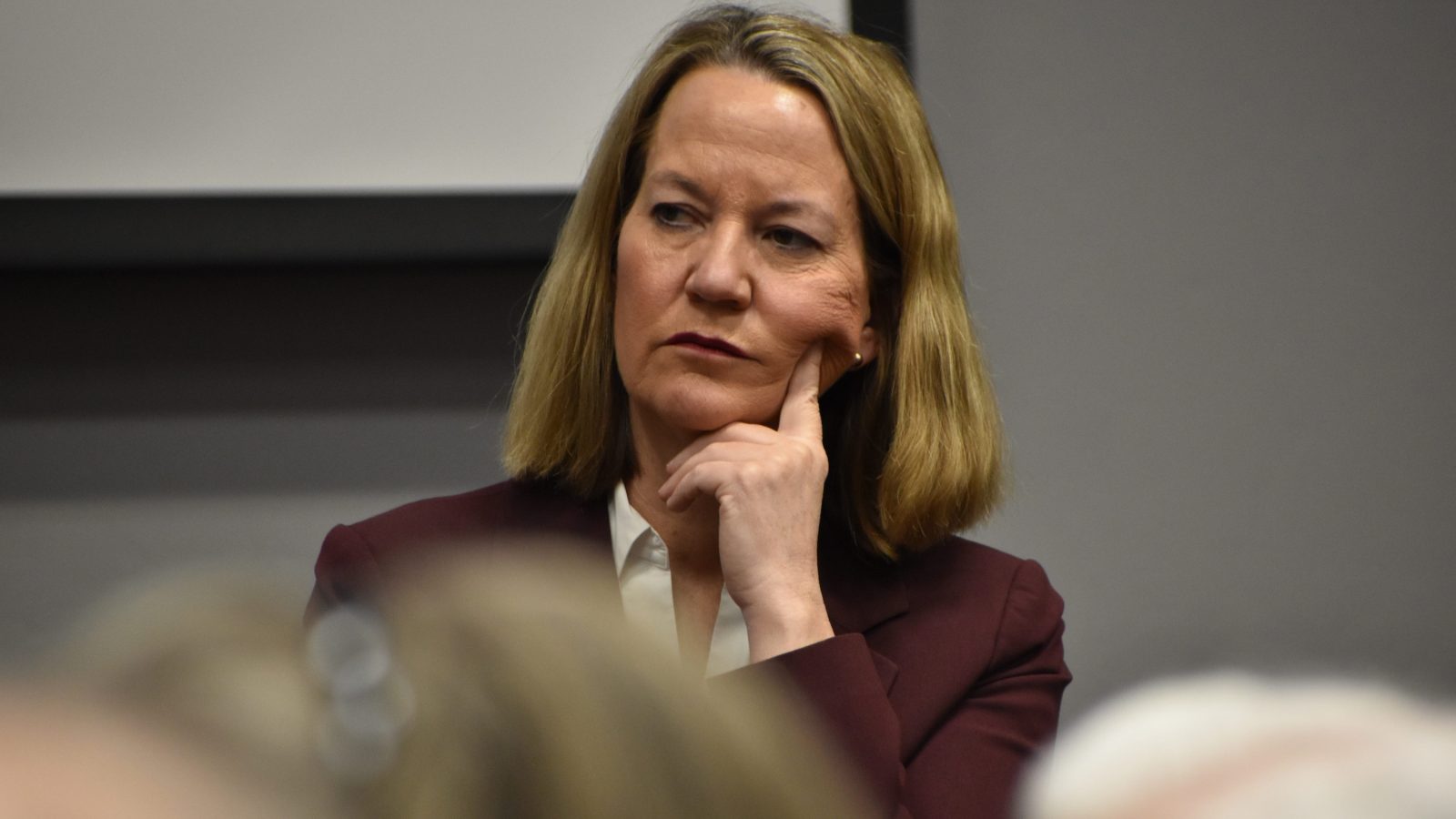
“Kalshi may brand itself as a ‘prediction market,’ but what it’s actually doing is running an illegal gambling operation and taking bets on Arizona elections, both of which violate Arizona law,” Mayes said. “No company gets to decide for itself which laws to follow.”
The charges come despite Kalshi suing Arizona in federal court on March 12 to prevent the state from enforcing its sports betting laws against the business. Kalshi is seeking an injunction and temporary restraining order to pause enforcement while the court considers the case, but the judge has not yet made a decision on whether to issue those orders, which opened a window for Arizona to file charges
“Kalshi is making a habit of suing states rather than following their laws. In the last three weeks alone, the company has filed lawsuits against Iowa and Utah, and now Arizona,” Mayes said via press release. “Rather than work within the legal frameworks that states like Arizona have established, Kalshi is running to federal court to try to avoid accountability.”
Kalshi continues to argue that as a federally regulated exchange it is not subject to state gambling laws.
“Sadly, a state can file charges on paper thin arguments,” a Kalshi spokesperson said in a statement to InGame. “As other courts have recognized and the CFTC affirms, Kalshi is subject to federal jurisdiction and it should not be overseen by a patchwork of inconsistent state laws.”
A key point in the criminal proceedings may be whether Kalshi’s contracts are excluded from Arizona’s state gambling law under a carve-out for “business transactions that are valid under the law of contracts including contracts for the purchase or sale at a future date of securities or commodities.” If so, the platform may be able to argue that it does not run afoul of Arizona gambling laws. However, states have argued in the past that Kalshi’s contracts fail to meet the definition of a swap — the type of contract they are legally classed as — under the Commodity Exchange Act.
Kalshi may try to move case to federal court
It is likely that Kalshi will attempt to get the case moved to federal court, like it has attempted with the Nevada and Massachusetts cases, but the standard to do so if different in a criminal case. Kalshi cannot argue that state law is “completely preempted” by federal law.
Kalshi may instead be able to get the case heard before a federal court by arguing that the reference to bona fide contracts in the law means that a federal question — namely, whether its contracts are bona fide contracts under commodity trading laws — is embedded in the state’s charge against the business.
However, it would have to prove that the federal question is an essential part of the state’s charge itself. A federal question being at the heart of Kalshi’s defense would not automatically mean that the case would be heard in a federal court.
Alternatively, it could argue that it is acting as a federal officer, citing its recent punishment of users who broke its rules on trading with insider information as proof that it acts as a regulator for activity on its own exchange.