Matt Bresler was a sophomore in high school when he discovered you could buy dinosaur fossils. You know, stuff that’s some 70 million years old.
He was first dazzled by the orthodonture of sharks “the size of Greyhound buses.”
“I saw these giant fossil shark teeth for sale in this market and I just knew I had to have them,” Bresler said.
He bought them. He repaired them. He ran out of money (he was in high school, after all). So he started selling them on eBay. Before long, he had built a network of international fossil dealers and was brokering full skeletons for overseas clients.
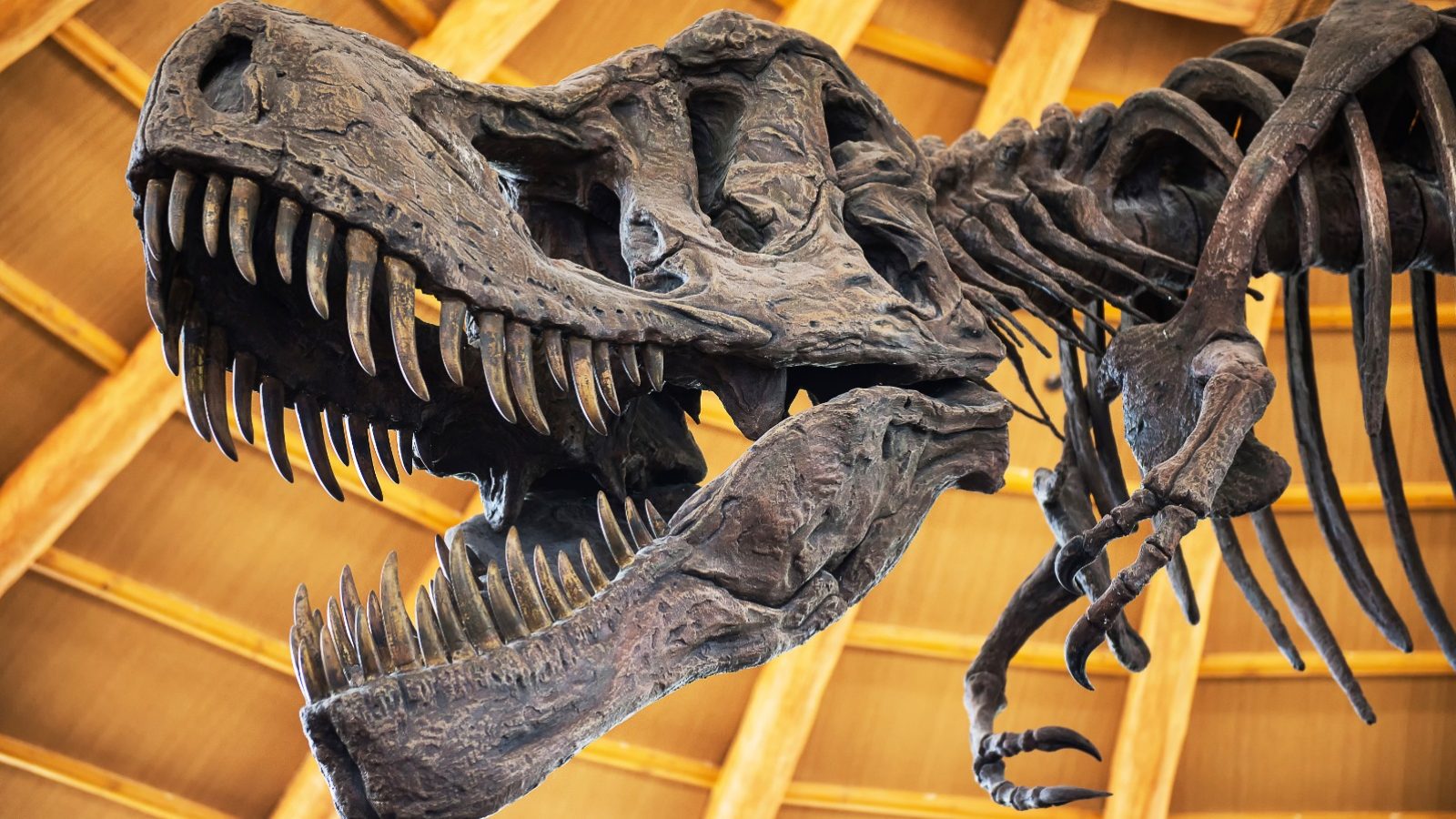
“If you go to a booth there and like a T. rex skeleton, like an actual T. rex skeleton, is for sale … that’s quite a sight to behold,” he said of the fossil trade shows he attended.
This was not a phase. This was a pattern.
Before the fossils, there was a greeting-card company his freshman year of high school called Designs for Dogs. A portion of the proceeds went to the rescue where his family adopted their pooch. His most successful sales channel? A greeting-card rack he bought and placed inside the veterinarian’s office where they brought the dog.
He was 14.
Today, Bresler is 25 and the founder and CEO of Odditt, a sports data and analytics company trying to fundamentally change how people interact with sports betting. His latest product, BracketParty.com, launched last week just in time for March Madness. It’s built for the tens of millions of Americans who fill out a bracket every year despite knowing next to nothing about college basketball.
But we’ll get to that.
Origins: live-betting anomaly
First, the origin story. Bresler grew up in Lexington, Massachusetts, outside Boston. He was a sophomore at Tufts University around the start of 2021 when he launched what would become Odditt. He was a lifelong NBA fan who had just discovered live betting. He was watching an NBA game one night with the live odds pulled up and noticed something: The pricing algorithms were wildly overreacting to every play.
“In the third quarter, every time a team scored, they were changing who the favorite was,” he said. “And knowing how the game had been going and how the game was likely to go, I could tell that was a massive overreaction.”
He began building mental models for exploiting that variance. Then he wanted data behind it. When he found that nothing commercially available fit what he needed, he created data sets himself. He dropped out of Tufts. He bootstrapped the company with his fossil money. And he hitting industry conferences.
He showed up at SBC North America, one of the biggest gambling-industry events in the country, wearing shorts.
“I am in striking distance of the age of some of their children,” he said of the industry veterans he found himself pitching. But rather than being a hindrance, his youth has mostly worked in his favor. “It is a very, very, supportive industry,” he said, noting he’s found “fantastic mentors” who have looked out for him since those early days.
He was honored as part of the gambling industry’s “20 in their 20’s” at G2E in Las Vegas and a little under two years ago, he brought on Elaine Milardo as co-founder and CTO. Milardo founded DraftKings’ data-platform team and ran it for seven years, through the company’s IPO.
“I knew I was a little over my head on the data front and I really needed an expert,” Bresler said.
60 million brackets
Together, they’ve built Odditt around a clear thesis: The sportsbook experience, as it currently exists, is broken for the average fan.
“The sportsbook is a very inhospitable place,” Bresler said. “If you don’t already know exactly what you want to choose when you open the app, it looks like a spreadsheet.”
Odditt’s consumer-facing app, Betflow, launched during this past NFL season and aims to fix exactly that. It delivers scrollable feeds of content that break down individual bets with fun facts, historical trends, and data-driven context. The app also generates hundreds of thousands of parlays daily, a sharp contrast to the few most sportsbooks assemble by hand.
There’s even an emoji-to-parlay converter called the Fun Factory. Type an eagle emoji and the app pulls together a thematic parlay built around the Philadelphia Eagles and other teams with eagle mascots. It’s goofy. It’s fun. That’s the whole point.
“There’s been a lot of drive from a lot of companies to be the self-proclaimed Bloomberg terminal of sports betting, and I think that’s great for a very narrow selection of people,” Bresler said. “But the reality is that for the vast majority of sports bettors, it’s going to be more of an entertainment-based experience.”
Which brings us back to BracketParty.com. Around 60 million Americans will fill out a March Madness bracket this year. Half of them, Bresler estimates, will essentially choose randomly. He saw a gap.
“There’s really nothing that covers the in-between,” he said, meaning the space between doing exhaustive research and just flipping a coin.
BracketParty lets users build a complete NCAA tournament bracket, men’s or women’s, without any basketball knowledge. Instead of picking game winners, you answer questions about your favorite colors, jersey numbers, mascots, and zodiac signs. The platform’s scoring engine combines those preferences with real team data to generate a personalized bracket, complete with explanations for every single pick.
“Instead of choosing something entirely randomly, you have a fully auditable understanding of which teams you chose and why,” Bresler said.
Odditt is also preparing to launch B2B widgets and APIs that will bring Betflow’s scrollable feeds and automated parlays directly into sportsbook platforms, embedded right where bettors already are.
Five years from now, Bresler wants Odditt to be the “preeminent browsing experience” inside your favorite sportsbook. He wants everybody included in sports betting, not just the hardcore pros.
It’s a long way from brokering T. rex skeletons to international collectors.