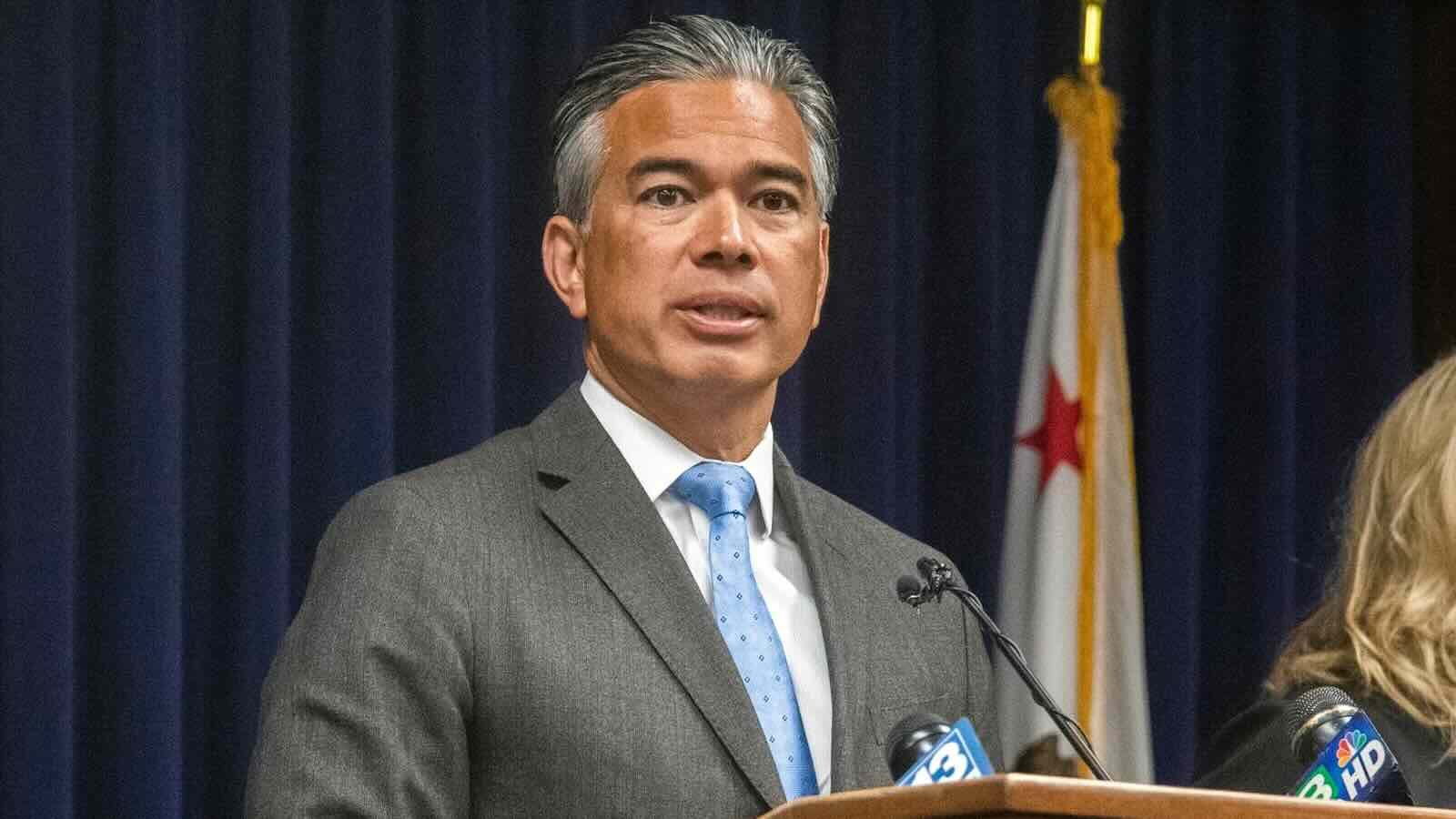
California Nations Indian Gaming Association Chair James Siva said Wednesday that California Attorney General Rob Bonta is preparing the state to have a louder voice in the nationwide fight against prediction markets.
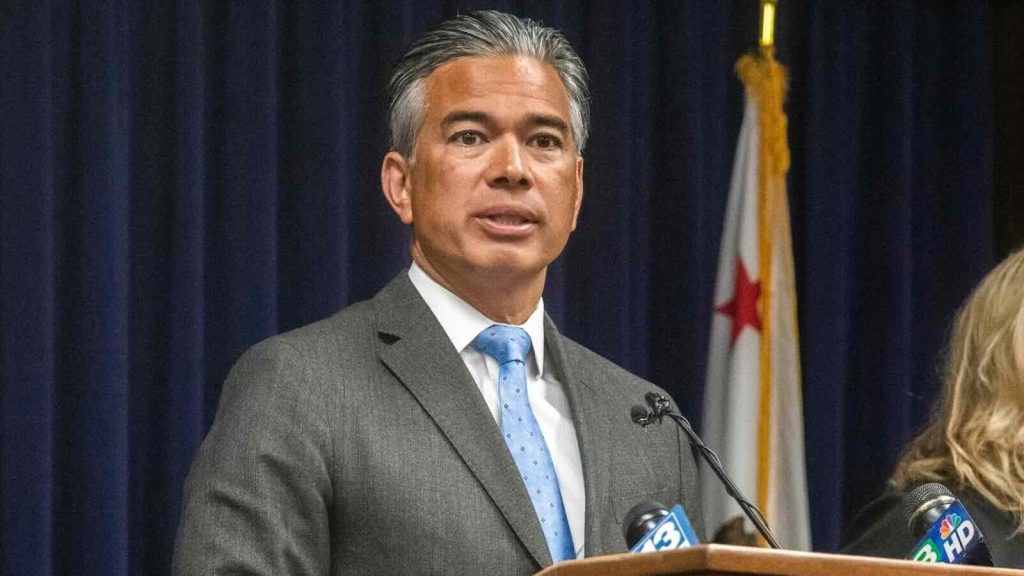
Speaking on the “New Normal: The Legal and Political Fight Over Prediction Markets in California,” Siva said Bonta plans to sign on to an amicus brief supporting the state of Maryland in the case Kalshi brought against it, currently in the Fourth Circuit Court of Appeals, and is considering bringing its own lawsuit against the prediction market.
California’s tribes have been vocal in their opposition to prediction markets, which they say infringe on their sovereignty and right to conduct gaming in the state. Per their compacts under the Indian Gaming Regulatory Act (IGRA), California’s gaming tribes have exclusivity for gaming. It’s clear under IGRA that tribes have complete control over Class III gaming on Indian lands. In California, tribes are compacted for exclusivity throughout the state, and Class III gaming is currently illegal.
Kalshi and other prediction market platforms have launched across the U.S., in particular in states where digital sports betting is not legal. The platforms offer sports event contracts, which mimic sports betting, and Kalshi is in federal court in at least seven U.S. states, having sued the states themselves or having been sued by Indian tribes. The company was also sued by the Massachusetts attorney general in state court.
In most cases, Kalshi sued after a state regulator or attorney general sent it a cease-and-desist letter. No entity in California has sent such a letter, but three Northern California tribes sued Kalshi and Robinhood in July in an effort to keep the platforms off their land. A federal judge ruled that Kalshi could continue to operate while the lawsuit plays out, but was clearly empathetic to the tribes’ situation. In addition, California’s tribes have been in discussions with Bonta’s office and the state legislature in an effort to help the state mount a fight against prediction markets.
Siva said that Bonta’s office has plans to “put together” a cease-and-desist to be sent to prediction markets, and that Indian Country will “hold his feet to the fire” on signing onto the amicus brief. Bonta’s office did not immediately reply to inquiries about what action it plans to take.
In September 2024, the state legislature passed a bill that allowed the tribes to sue card rooms, which they say operate illegally, one time. In July, Bonta offered the opinion that daily fantasy sports are illegal in the state, though he has yet to take enforcement action. And in October, Gov. Gavin Newsom signed a bill that bans sweepstakes operators. That goes into effect Jan. 1.
Bevy of other topics
Siva was the only guest of hosts Victor Rocha, Indian Gaming Association (IGA) conference chair, and Jason Giles, IGA executive director.
Beyond what action California state politicians might take, Siva also touched on where California Indian Country currently sits with regards to its relationship with commercial sports betting operators, next steps in its fight against prediction markets, and continuing education for tribes about prediction markets.
California won’t be FanDuel’s first prediction launch
Siva said that California Indian Country leaders have not been consulted by the commercial industry with regard to prediction markets, but also said that he has “intel” on which state FanDuel will launch in first — and it won’t be California. FanDuel earlier this year announced a partnership with CME to offer prediction markets. The company is the market leader in traditional sports betting, and has long been trying to make a partnership with California’s tribes for entrance into the market.
Fanatics became the first national state-licensed sports betting operator to launch a prediction market, Fanatics Markets, on Dec. 3. And DraftKings late last week got National Futures Association approval, meaning it is a step closer to launching its prediction market. All three are members of the Sports Betting Alliance, which has been trying to make inroads into working with California tribes for wagering.
“We’ve heard them say they want to work with tribes, but on the other hand they are working on” prediction markets, Siva said. “They are not engaging us on these offerings. They knew that we were going to remain in control of the [sports betting] market, and that was a tough position for them, and they pushed us all the way to the ballot … playing dirty politics and this is where we are.”
Siva went on to say that he does not believe the sports event contracts are “commodities, and it is not regulated sports betting. It is clearly illegal activity going on.”
Next steps in fight
As Indian Country continues to push against the rise of prediction markets, the New Normal hosts and guest ventured into new territory Wednesday, batting around the question of what to do should prediction markets become the status quo.
“There has been some conversation about what happens if we can’t defeat this, how do we compete in this state?” Siva said. “If prediction markets continue to violate our sovereignty, then how do we protect ourselves economically? I’ve heard some whispers about other tribes in other states thinking about the same thing. But the priority now is to get them shut down.”
Said Rocha: “We can always put out a great product. But right now, we’re going forward with the plan we already have in place.
“But the battle against sweepstakes is laying the foundation for the battle against prediction markets.”
Education
Giles referred to prediction markets as becoming “kind of cultish” in pointing to multiple mainstream media reports on the platforms, including a “glam piece” by Forbes and a “60 Minutes” report. He questioned how prediction markets got “60 Minutes” to be so “compliant” in its “fawning” report.
As the mainstream media educates the general public about prediction markets, Indian Country is educating tribal leaders across the U.S. as well as politicians. Siva shared that his Morongo Band of Mission Indians and the Yuhaaviatam of San Manuel Nation have partnered on a public policy campaign. In addition, the San Manuel Nation Wednesday held a roundtable with politicians in Washington, D.C. about prediction markets.
Giles said that as part of the outreach, IGA is planning to “gently” reach out to tribes partnered with NHL teams to ask them to reassess the value of those relationships. Of the four major professional sports leagues, the NHL is the only one with partnerships with Kalshi and Polymarket. Several other pro leagues have warned their employees against participating in prediction markets, saying such activity would be a violation of league gambling policies.
In California, tribal leaders continue to travel the state and hold meetings to educate the 100+ tribes about prediction markets.