The Federal Bureau of Investigation on Wednesday issued a public service announcement warning gamblers to not patronize illegal offshore sports betting and online casino platforms because of their “significant consequences for the American public, the U.S. economy, and the integrity of sports betting in the U.S.”
The federal-level warning comes as state regulators continue a vigorous push to block unregulated sites back from their borders through cease-and-desist letters. The new approach had high-profile successes last year when Curacao-based platform Bovada added numerous states to its restricted jurisdiction list.
From the FBI bulletin: “Individuals engaged in illegal gambling risk funding organized crime activity and becoming vulnerable to violence, extortion, and fraud. As a federal law enforcement agency, the FBI enforces criminal statutes, including those involving organized crime and illegal gambling operations. The FBI emphasizes each bettor’s individual responsibility to ensure they wager legally and responsibly.”
The American Gaming Association estimated in August that $673.6 billion is wagered annually in the United States on unregulated sports betting and casino, and on unregulated machines.
States need help with offshore efforts
Earlier this year, 50 state attorneys general issued an open letter to the Department of Justice pleading for help in pushing back on these illegal sites. While resources for state-level regulators and policing agents are growing more sophisticated, federal help is often needed when trying to root out a foreign nuisance. Even then, results are often minimal.
Directly attacking offending sites is increasingly possible technologically, but well-monied and motivated offshore operators often respond by tweaking their URLs, creating an expensive and frustrating game of Whac-a-Mole.
“The best example of that was when the old Bodog offshore site was shut down by way of a federal indictment out of Maryland. And no one was arrested,” former U.S. Attorney Dan Brower told InGame. “It took five years eventually to get a misdemeanor plea and a big fine out of the founder (in 2012).”
Brower recalled discussing the case with Rod Rosenstein, who was U.S. attorney in Maryland at the time and later became deputy attorney general. “He said, ‘You know, they were clearly operating illegally. We knew it was going to be very difficult to arrest somebody, but we thought it was the right thing to do.’
“They took down the site, new site popped up. Eventually a deal was worked out, but it can be very, very difficult with these offshore sites. That doesn’t mean, in my opinion, that nothing should be done, but expectations should be managed at the outset when you’re dealing with an offshore operation.”
Offshore sites out to fool US gamblers
Education domestically could help offset the travails of taking down offshore sites, but illegal operators are muddling that effort, too.
Part of the difficulty in educating the public is that illegal sites often mimic the brands of legitimate sites, engendering false confidence.
A panel of present and former attorneys general in July at the National Council of Legislators from Gaming States meeting urged casino companies to help states combat illegal platforms by defending their intellectual property, but the piracy continues.
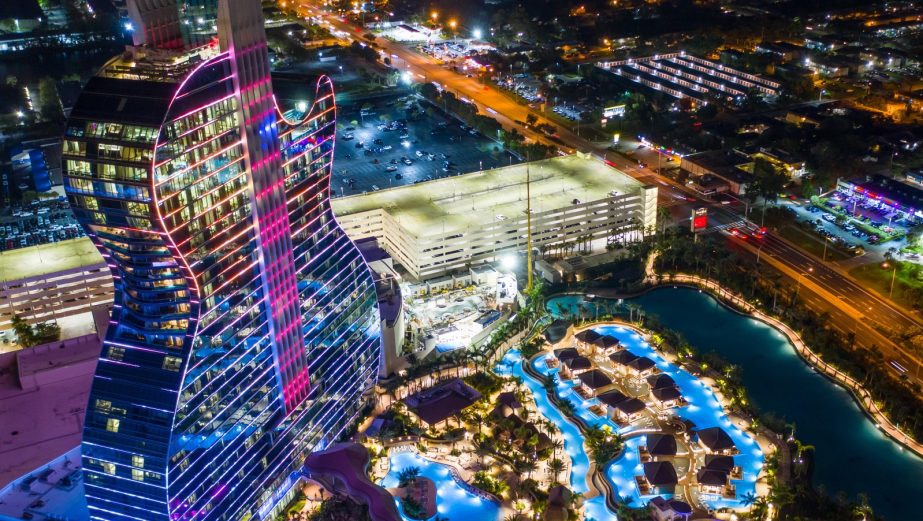
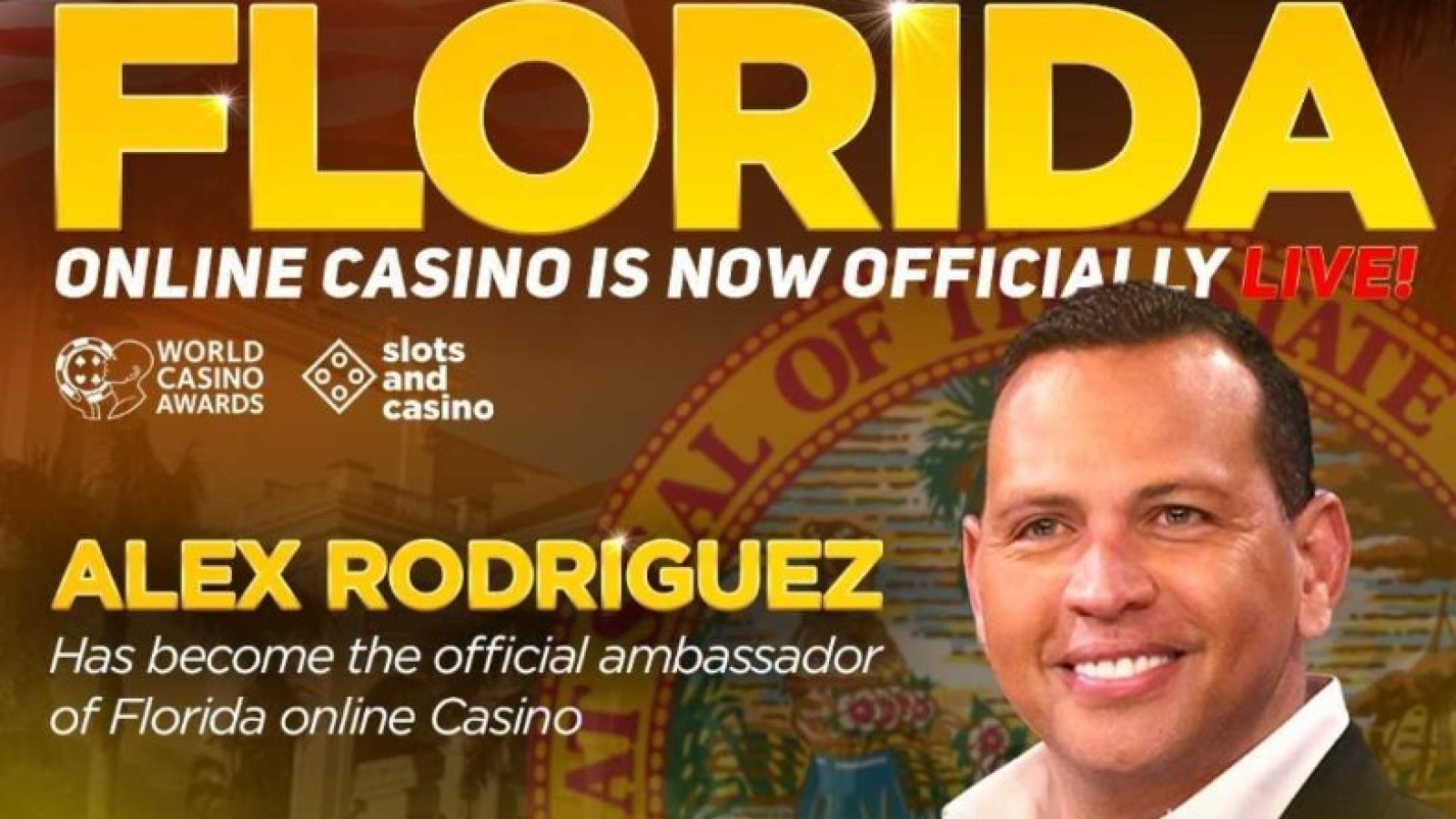
Sports betting in Florida is run under a monopoly held by the Seminole Tribe of Florida through its Hard Rock brand and there is no legal online casino gambling. Still, offers for “official” Hard Rock casino apps or others — some falsely endorsed by celebrities like Miami native Alex Rodriguez who are unaware their names are being used — are ubiquitous in gamblers’ social media feeds.