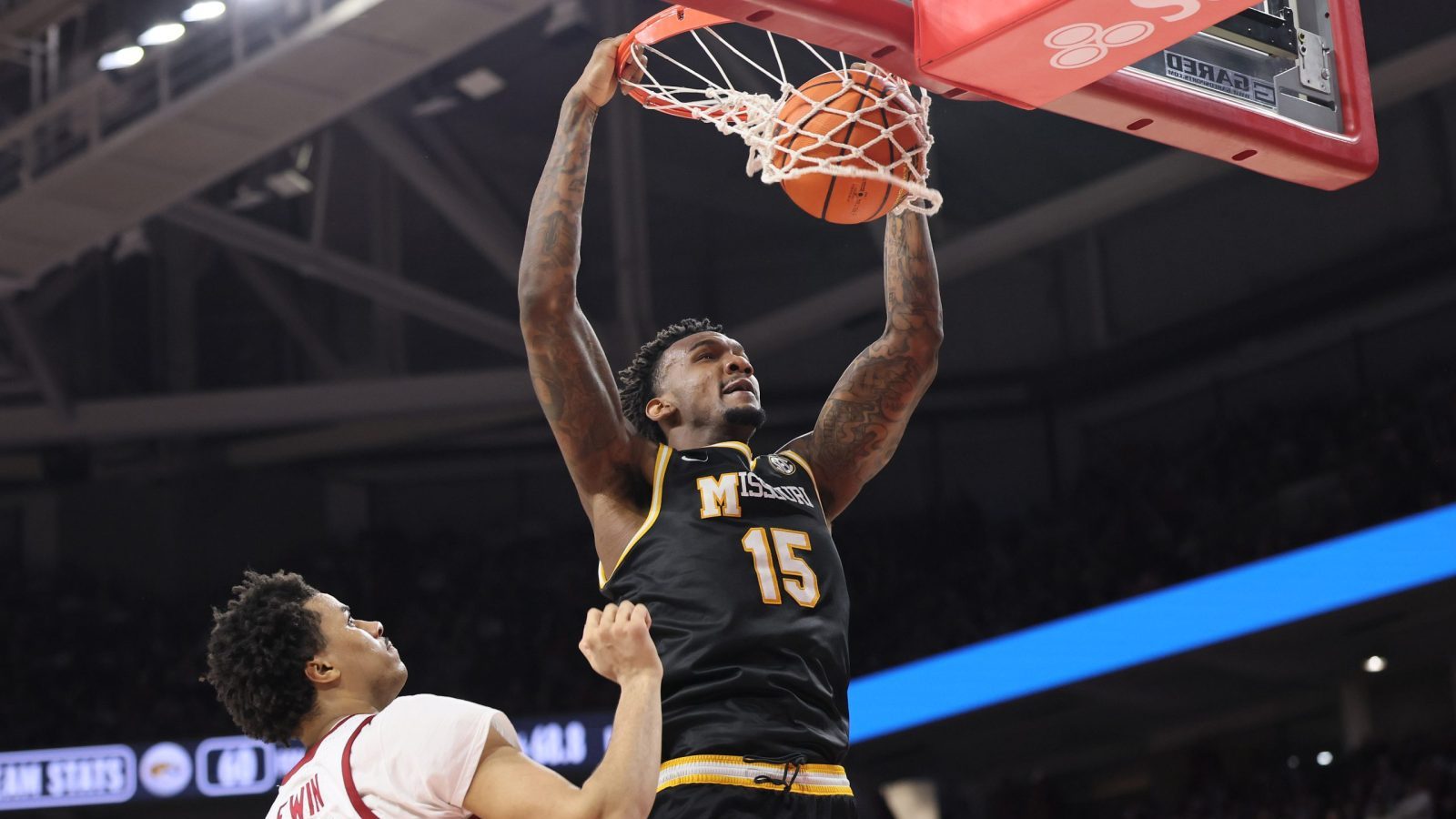
The American Gaming Association (AGA) is estimating March Madness will be even more March Madness-ier this year, with Americans set to legally wager some $3.3 billion over the course of both the NCAA Division I men’s and women’s basketball tournaments.
The AGA says this a 54% increase over the past three years, and chalks it up to increasing consumer confidence in the legal and tribal-regulated markets.
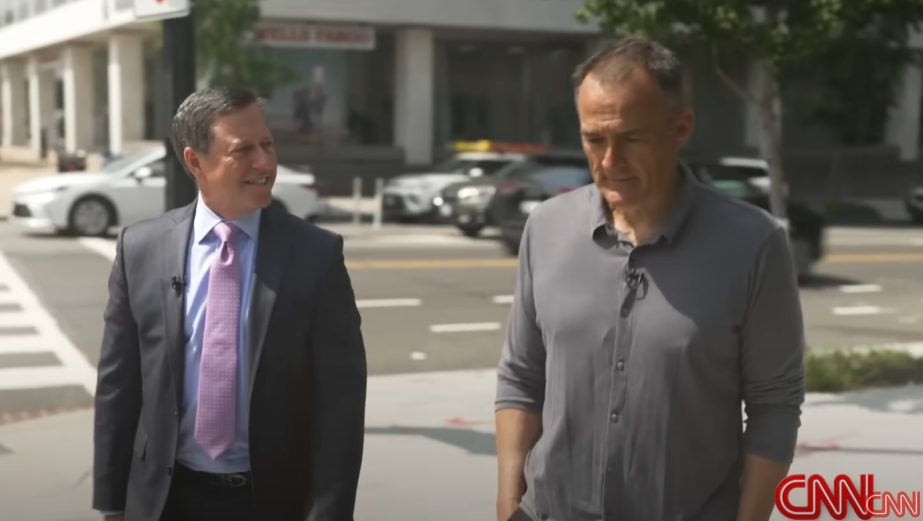
“March Madness is the highlight of the college basketball season and fans are gearing up for a month of tournament action,” Bill Miller, president and CEO of the AGA, said in a release. “Fans continue to engage with legal, state- and tribal-regulated sports betting in record numbers during one of the biggest moments on the sports calendar.”
If there’s a sense that Miller and company are being a little cagey about the “legal” market, it might be with good reason, and the same press release hyping the $3.3 billion number also delves into the advertising world.
The AGA, via Sensor Tower data, ran the numbers. And those numbers showed a growing divide in who is advertising.
Digital impressions for online sportsbooks declined by almost 14% in 2025, while impressions hyping prediction markets — which the AGA views as illegal when it comes to sports — surged.
Kalshi, everywhere
In fact, the AGA claims Kalshi was the “third largest sports betting advertiser by digital impressions” in 2025, and judging by the way things are going, will lap the field this year.
The AGA estimates Kalshi will have over 5.2 billion digital ad impressions in 2026. For comparison’s sake, FanDuel will come in second, at 2.9 billion impressions.
Furthermore, the AGA claims some 43% of “digital sports betting ads” seen in the United States don’t comply with state gaming regulations.
As such — and as expected — that $3.3 billion number on March Madness wagers does not include any bets handled on prediction markets of any stripe.
“Confidence in your wager — and in the integrity of the games — starts with a fair and compliant betting market,” said Miller. “That’s why it’s so important that everyone offering sports bets in the U.S. comply with state and tribal regulations, ensuring that consumers are protected.”
As far as the state and tribal operators go, their advertising spend dropped 5% year over year, and is 27% lower than the 2021 peak.