The single game parlay (SGP) has arguably become the most important product in American sports betting. The apps push SGPs, the commercials sell them, and the boosts amplify them by some percentage. They’re popular — entrenched at this point — and on a Sunday morning during football season, they will dominate the homepage of any betting app.
Of course, an SGP needs legs. And those legs frequently consist of player props allowing bettors to test a theory of the game. Joe Burrow is going to throw for 300+ yards and probably will target Ja’Marr Chase on nearly half his attempts, plus Chase will find the end zone. Easy peasy — the betslip-making part at least.
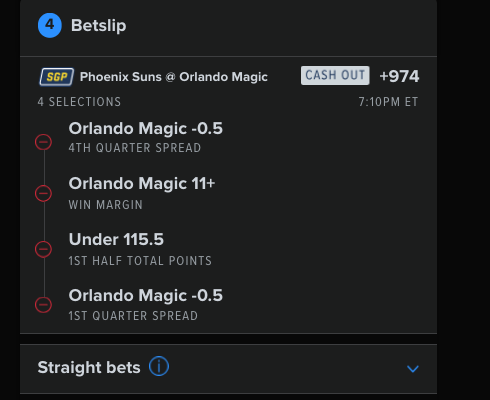
Take away player props, however, and the parlay menu doesn’t just get smaller; it crumbles. You can’t build a four-leg SGP out of moneylines and totals. Well, you can, but it’s much harder to craft a theory of the game when operating at that macro level. Plus, it’s boring. For example:
Nevertheless, legislators in numerous states, including New York, Louisiana, Colorado, and Massachusetts, are considering banning, or severely limiting, player props — not only props based on the performances of collegiate athletes but potentially those involving athletes at the pro level as well.
The NCAA is pushing regulators in every state it can reach to ban player props. And the industry response, as you might expect, has been some version of the same thing: Let’s not, m’kay?
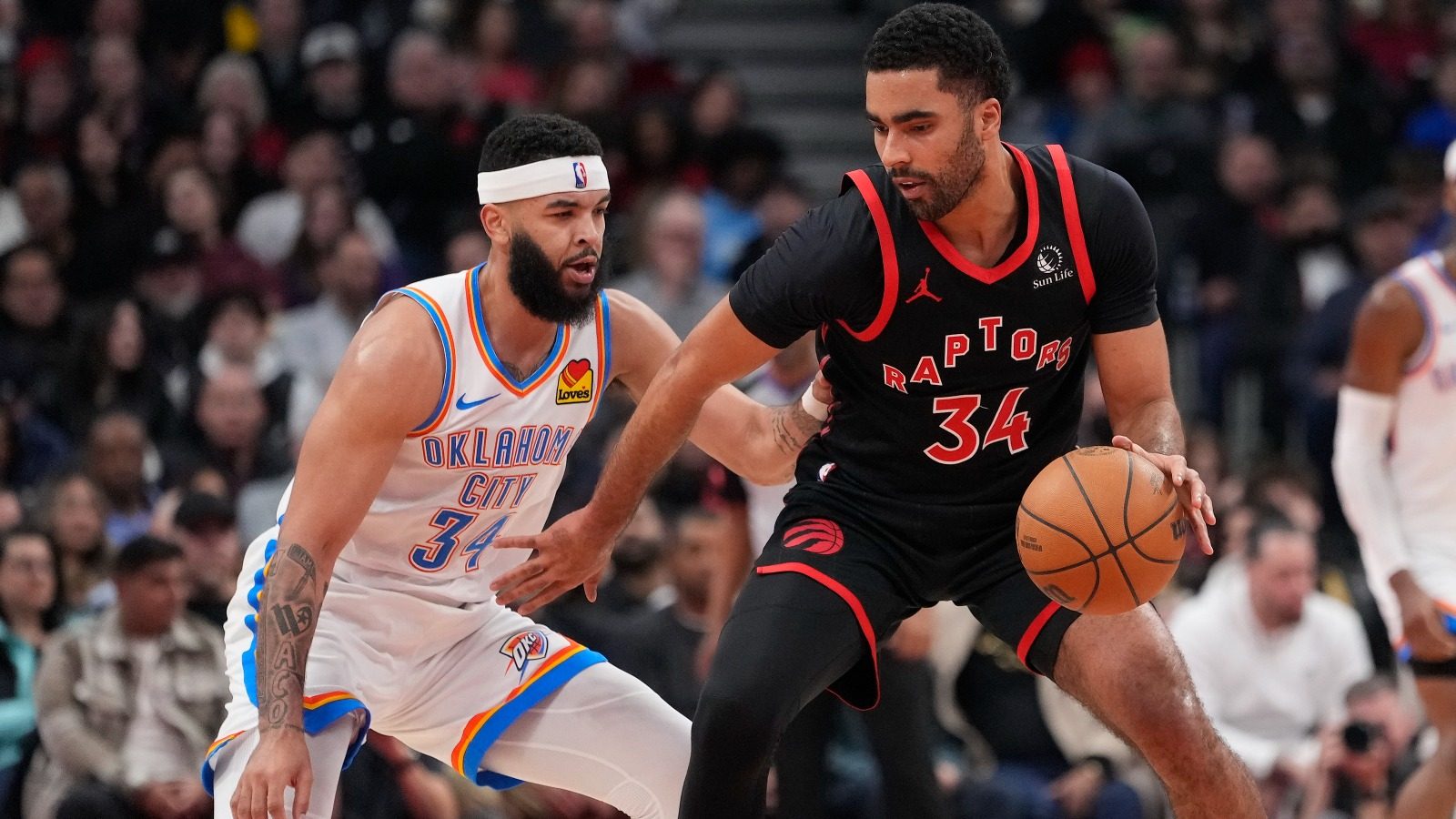
Legislators are aiming to eliminate a type of bet that some believe inspires corruption (see: Jontay Porter) or harassment (on social media especially). The matters of prohibition, offshore markets, and visibility for integrity purposes are topics for another article. For the purposes of this article, a potential and underappreciated consequence of an across-the-board ban on player props, including those within the professional ranks, is annihilating the SGP, the signature sportsbook product.
Put another way, a ban would cut sportsbooks’ legs out from underneath them.
Jordan Bender, managing director of gaming equity research at Citizens, puts it in numbers. Player props can exceed 50% of handle in certain sports. Microbetting, which he pegs at about 5% of handle, is the fastest-growing product across all of gaming (and one that New Jersey is trying to ban). Bender sees the regulatory trend going in one direction.
“We are increasingly seeing states explore potential limitations on player props, in-game betting, and microbetting,” Bender told InGame. “We view this as a developing baseline assumption going forward and a modest but persistent headwind for the industry.”
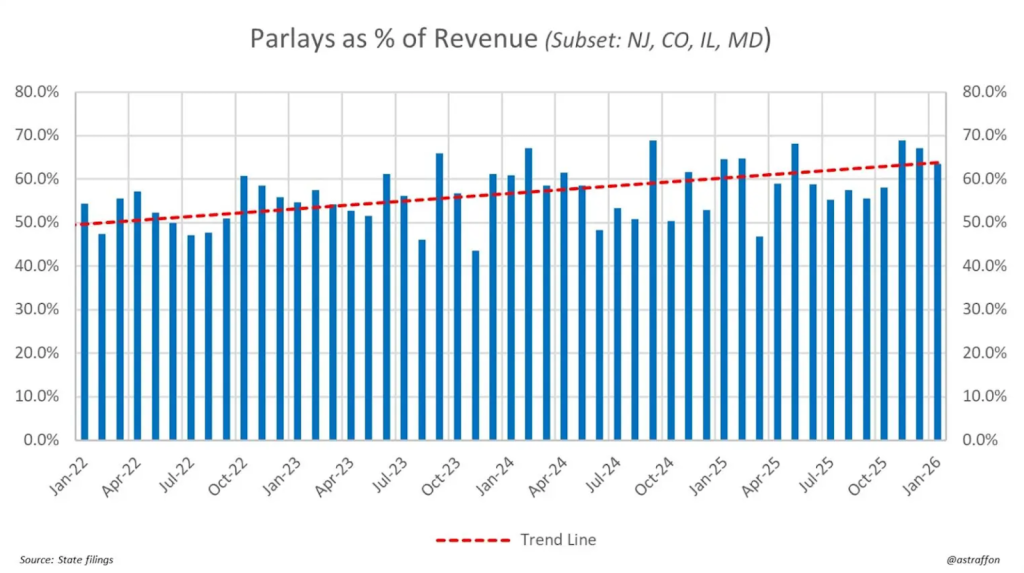
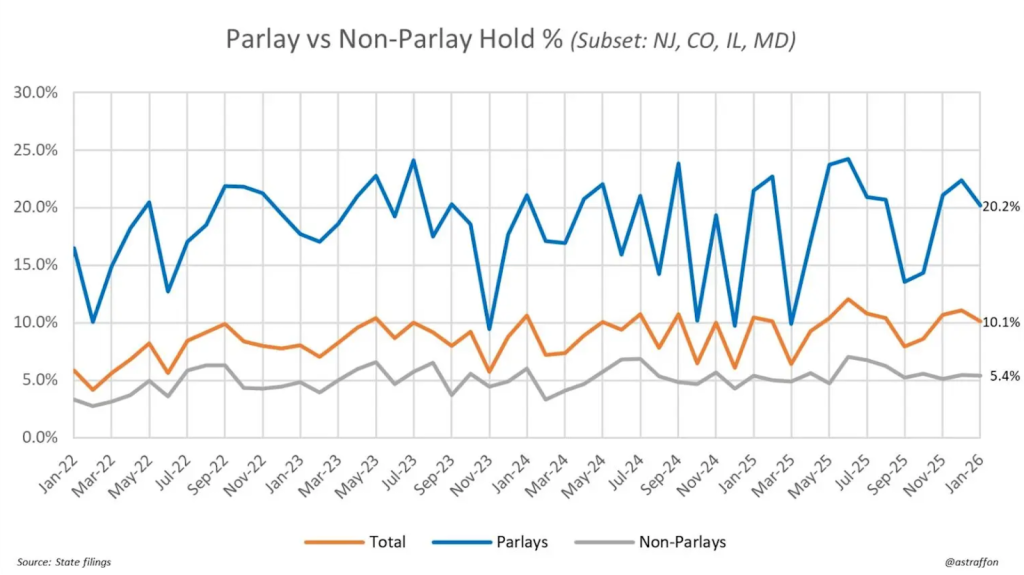
Bender also notes that parlays generate roughly 20% hold (see chart below), while one-sided player prop markets sit closer to 10%. That hold difference matters, because it points to where the real potential danger lies. Not in the props themselves, but in what props make possible: those ever-present, and frequently fun to build, SGPs.
The American product
Joe Maloney, president and CEO of the Sports Betting Alliance, makes the case that a prohibition on props would be going after something deeper than a product category.
“We’re now in our third generation of sports fans that has come up extremely fluent in season-long or daily fantasy,” Maloney told InGame.
His dad did rotisserie baseball. Maloney did season-long fantasy, then daily fantasy. That progression built a generation of bettors whose sports knowledge is organized around individual performance. Touchdowns thrown. Points scored. Strikeouts.
“In more mature European markets where soccer is the dominant and most popular sport, there just aren’t the same kind of individual performances that can be measured statistically,” Maloney said. “It’s just not the same.
“A blanket prohibition against not just a couple of betting markets, but a very large and vast betting category that the legal and regulated markets in 40 jurisdictions in this country have fought so hard to erect and establish and build and maintain and migrate,” he continued. “That is significantly at risk.”
Evan Kirkham, co-founder and CEO of Outlier, a sports betting analytics platform, sees the same risk but thinks the conversation is aimed at the wrong target.
“What is and maybe ought to be under the magnifying glass is ‘unders’ for bench players,” Kirkham told InGame. “Especially for college, they might very well be incentivized to miss the free throw. The reality is, for a starter, LeBron James is never going to miss the free throw on purpose, because he stands to make way more money by performing well than he does for performing poorly.”
In other words, the integrity concern is real. It’s just narrow. And a blanket ban is the opposite of narrow.
Kirkham also points out that the SGP market may be more durable than the doomsday scenario suggests. The reason: Recreational bettors, who drive SGP volume, overwhelmingly bet overs.
Strip out bench-player unders, and the SGP doesn’t collapse. It just loses a sliver of its menu that most casual bettors weren’t ordering from in the first place.
And even if props do take a hit, Kirkham sees the sportsbooks already building the escape hatch: live betting, which is heavy on game lines and growing fast.
“If SGPs suddenly were less of a thing, FanDuel will be OK because they’re moving their rec bets into live betting,” Kirkham said.
Which raises an ironic twist: Legislators trying to stamp out one product category may end up accelerating the next one.
Flip the question
Joe Brennan, co-founder of Prime Sports, would turn the whole thing around on the legislators.
“OK, let’s say we do get rid of prop bets,” Brennan told InGame. “What happens then?”
His answer: The problems move.
“The players would just tamper with the results of the game,” he said. “They would go back to shaving points instead of shaving their stats, if they had a mind to. We didn’t legalize sports betting because we were looking for a new form of business. We legalized sports betting because there was a $300-$500 billion a year underground economy.”
That wasn’t his number. It was the FBI’s, from the 1999 National Gambling Impact Study Commission report. Less than 1% of the “underground” economy was being policed by Nevada.
Now a significant chunk is policed and monitored. The system caught the Cleveland bullpen. It caught Porter. It caught the college point shavers. ESPN’s David Purdum recently reported suspicious activity in college sports is way down this year. Not because people suddenly found virtue. Because they saw that people get caught and the penalties are extreme.
“If what they hope to accomplish is a world without sin, a world without temptation, that’s never existed,” Brennan said. “It says so right there in the Bible.”
He doesn’t say that as a cynic, he noted. He says it as a fact.
The map
New York’s A0 9636 would ban player props. Louisiana’s SB 354 targets both props and microbets. Colorado’s SB 26-131 goes after player props specifically while layering on deposit limits and ad restrictions. Massachusetts’ SB 302 is the broadest, covering props and live betting while raising the tax rate.
Bender notes that the fragmented nature of state-level regulation makes it unlikely any single bet type gets universally restricted. But the trajectory is obvious, and the NCAA pressure campaign isn’t letting up.
The political appeal of protecting athletes and fighting addiction doesn’t require much understanding of the gambling industry to get the attention of legislators. But Brennan notes this is a rather obvious problem.
“Lawmakers are coming in and they’re playing off the top of their heads,” Brennan said. “They read a headline, they read some crummy article, they’re going in very poorly informed. They have like 1 percent of the facts, and so they demand to take action because somebody says take action.”