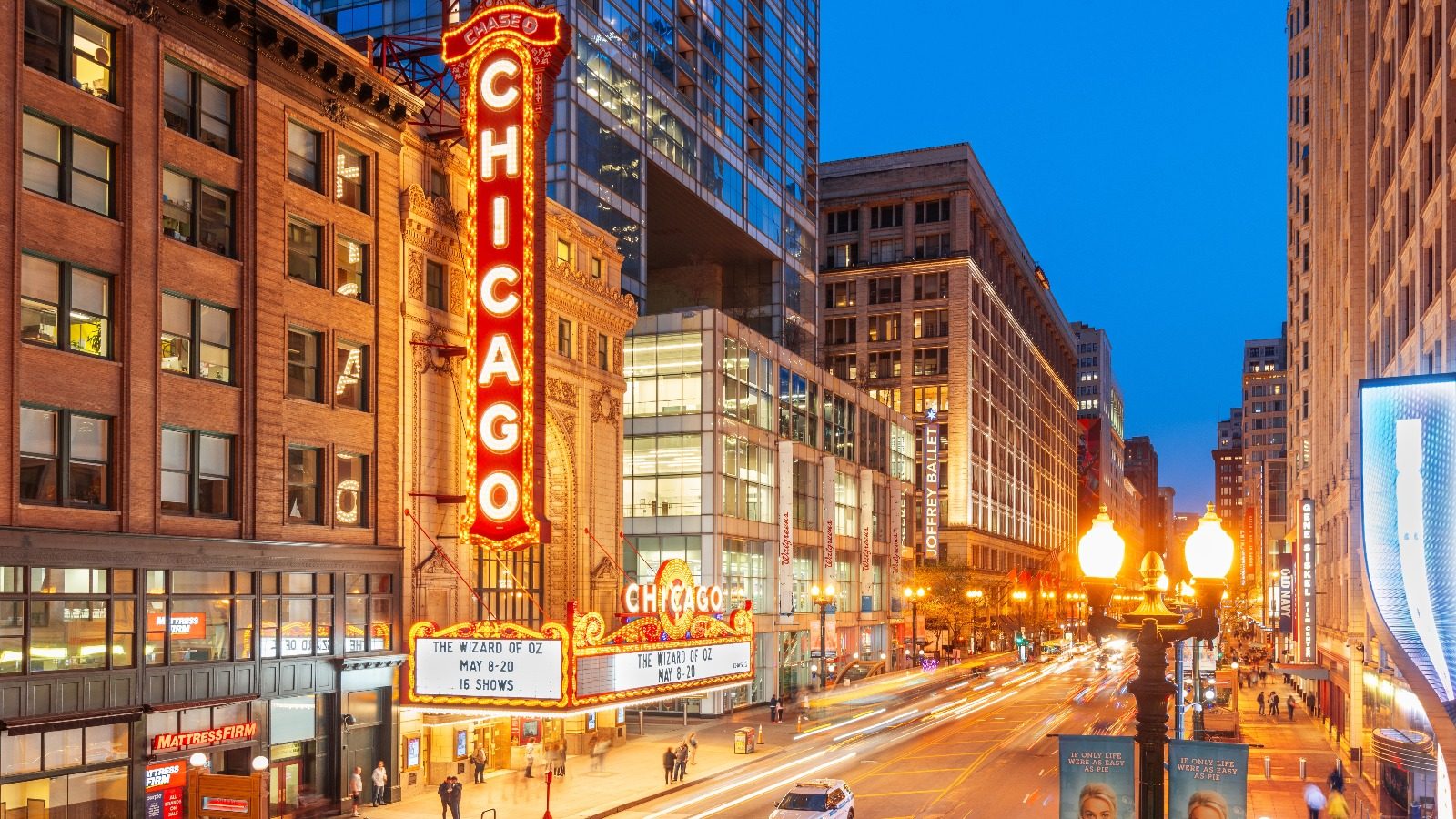
The Sports Betting Alliance (SBA) Tuesday morning filed multiple complaints against the City of Chicago, which earlier this month approved a budget that includes a provision to tax sports betting operators for bets taken in the city limits. The new 10.25% tax is set to go into effect Jan. 1, but an entity can only collect taxes from a licensed operator, and no provision has been made for the city to license the 10 platforms operating in the state. The complaints were filed in the chancery division of the Cook County Circuit Court, Illinois County Department.
Since the Professional and Amateur Sports Protection Act was overturned in 2018, sports betting has been a states’ rights issue. Washington, D.C. is the only U.S. city that issues sports betting licenses.
The SBA says its platforms either risk operating without a license or must shutter to avoid “irreparable harm, including potential cascading regulatory consequences in Illinois and other jurisdictions where continued licensure depends on maintaining good standing and suitability everywhere the operator does business and damaging their reputations and customer goodwill.”
In every legal U.S. wagering jurisdiction, regulators can penalize operators for violating licensing requirements elsewhere or having a license revoked. In this case, there is no license to revoke because the city has not issued any, but operators would be in violation of the new law, which requires a license. In the request for a temporary restraining order (TRO), the SBA wrote that city officials promised to issue licenses by Monday, but none had been as of Tuesday morning.
“Nor has the City provided a formal determination as to whether any SBA member will receive a City license for online sports wagering by the December 31, 2025 deadline,” SBA lawyers wrote.
Is new tax, licensing even legal?
In the TRO, the SBA is requesting an injunction that would suspend the city’s licensing requirement, and allow operators to continue to offer wagering until the issue is resolved. The budget includes a licensing structure — $50,000 for a first-year license and a $25,000 renewal fee. SBA lawyers wrote that the fees are above what the city charges for other licenses. In addition, the lawyers wrote that due to the state regulatory structure, the city does not have the power to issue licenses.
Along with the TRO, the SBA submitted affidavits from SBA President Jeremy Kudon and DraftKings Senior Director of Licensing William Curtis.
Two Illinois lawmakers have already filed bills designed to keep the city from taxing operators.
Illinois state Rep. Daniel Didech, chair of the House Gaming Committee, filed legislation in October that would ban local jurisdictions from taxing, regulating, or imposing fees on gambling.
And in mid-December, state Sen. Patrick Joyce filed a bill that would reduce Chicago’s Local Government Distributive Fund allocation from the state by the exact amount the city would generate with its recently passed 10.25% sports betting tax on city-based revenue. Either bill could potentially solve the issue, but the Illinois General Assembly doesn’t open until Jan. 14, 2026.
Lawsuit claims city is breaking the law
In addition to the TRO, the SBA filed a lawsuit claiming that the city’s new tax and licensing requirement are unconstitutional, and that the city has “exceeded” its authority in imposing the tax and the licensing requirement.
“Under Article VII, Section 6(e) of the Illinois Constitution, a home rule unit such as the City of Chicago, may not require a ‘license for revenue’ or ‘impose taxes upon or measured by’ income, earnings, or occupations unless the General Assembly has expressly granted that power to the home rule unit,” SBA lawyers wrote. “The General Assembly has not done so here.”
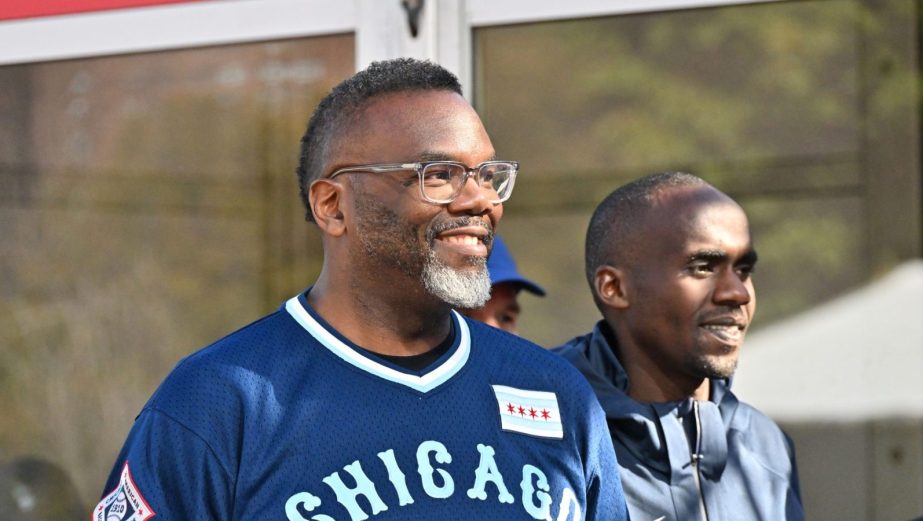
The SBA has been actively lobbying against the new tax for several months, and in a Dec. 18 letter warned the city and Mayor Brandon Johnson of a potential shutdown should the tax and licensing requirement come to pass. At that time, the SBA pointed to the lack of licensing infrastructure, and told InGame in a statement, “The City Council just handed a gift to illegal operators. Passing a tax without a licensing framework is like issuing traffic violations before painting the lanes and posting the speed limits. Absent clarity and any delay in implementation, legal sportsbooks may not be able to legally operate in Chicago on January 1 — forcing Chicagoans back into the shadows of the illegal, underground market. … That’s bad for consumers, bad for integrity, and bad for the City’s bottom line.”
The city council had been exploring ways to generate new income from wagering since the summer. Johnson initially pitched the new tax, and while city aldermen rejected his budget, they retained the new tax. Johnson said he would neither sign nor veto the aldermen’s budget, and his inaction would allow it to go into effect Jan. 1.