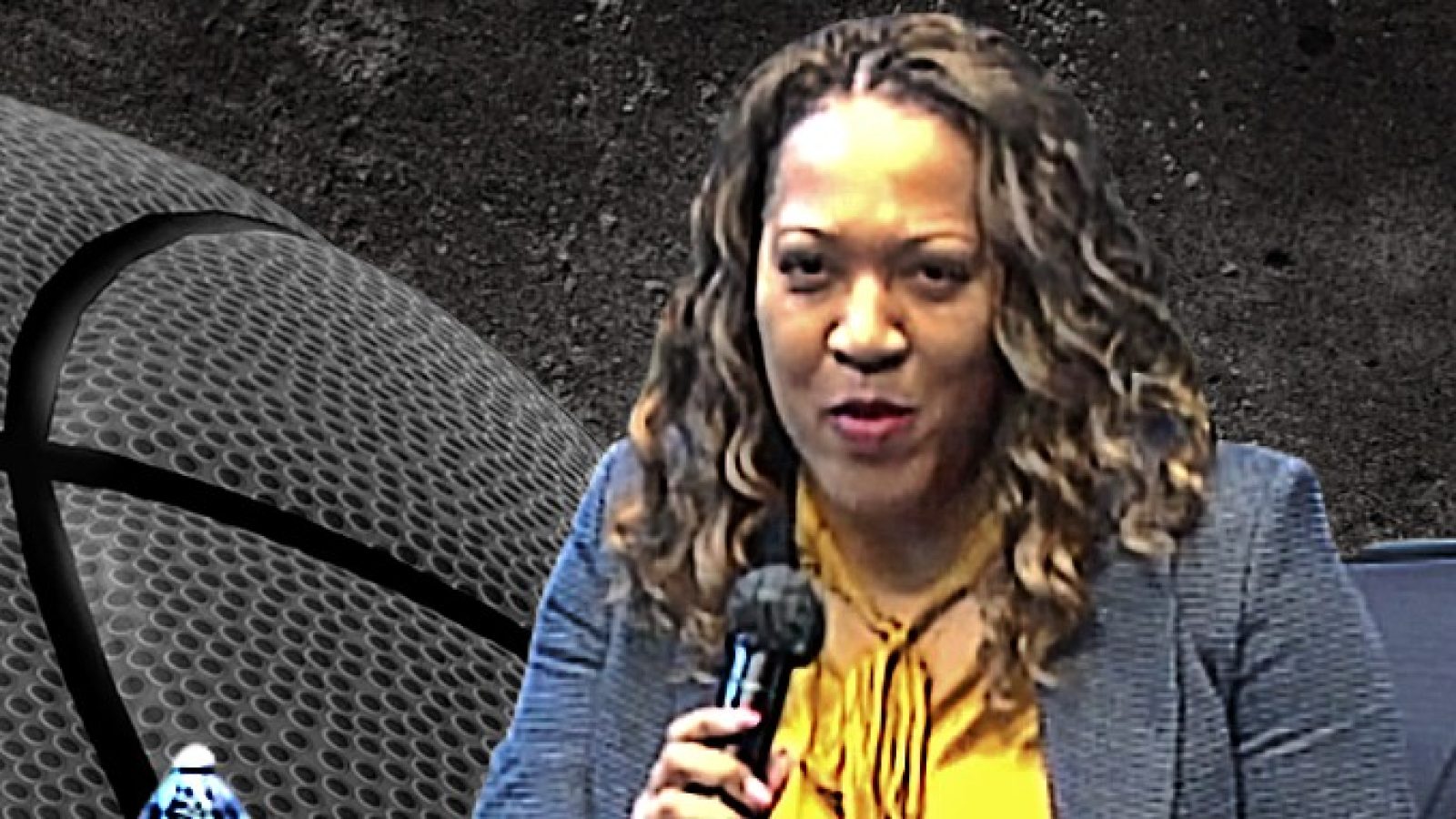
Dena Freeman-Patton has read the allegations and the names of the schools involved in the most recent of the seemingly endless NCAA men’s basketball point-shaving scandals.
There’s a realization that many of the schools listed have much in common with Morgan State in Baltimore, where she’s been the athletics director since 2022.
Mid-to-small programs. There are lots of them, like Northwestern State, Louisiana-Lafayette, Buffalo, Robert Morris, North Carolina A&T, Kennesaw State, among the upwards of 17, according to federal prosecutors.
Not national powers. Not a lot of with Name-Image-Likeness funds flowing through the rosters. Therefore, players with more collective temptation and perhaps vulnerability than at monied programs, where student-athletes can bank millions in sponsorships and, since new rules went into effect in July, revenue-sharing.
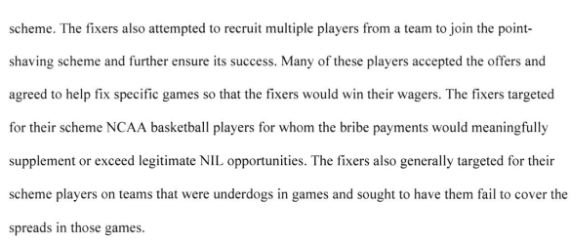
This was noted plainly in federal charging documents in the Eastern District of Pennsylvania, page 11, paragraph 25, where college campus recruiter and “fixer” Jalen Smith pleaded guilty to multiple counts of fraud on Monday.
“Things to go to school cost money. And in this landscape of NIL and revenue-sharing and everything else, the students that are being targeted the most are the students that aren’t getting the money, that need the money,” Freeman-Patton said. “So they’re more susceptible.”
Granted, professional athletes working under lucrative contracts – such as Terry Rozier, Emmanuel Clase, and Luis Ortiz – have been nabbed in sports corruption scandals too, but so far, federal investigators have revealed no cases of wealthy college players risking their young careers for the benefit of gamblers.
Therefore, Freeman-Patton said at the Data Analytics and Sports Gaming Research (DASGR) town hall at Morgan State on Friday, vigilance and education are key components of maintaining integrity in athletic departments like hers. While some scandals have emanated from more prominent programs, like Arizona State and Temple, with players betting against their teams in most cases, recent indictments have revealed how players at smaller programs became targets of gambling rings. She hopes it can be a moment of reflection and part of the education process.
“I think it’s when they find out, ‘Oh, it can happen to me,’ or ‘It can happen to someone like me,’” Freeman-Patton said. “Sometimes we think it’s only happening to kids who play at the larger institutions that are on TV more, but it can happen to anybody. And I think there’s more of an example, more of a story, for our student-athletes.”
Fixing the ‘fix’ as fan faith falters
A national poll released on Wednesday by Sacred Heart University in conjunction with GreatBlue Research found that:
- 56.9% of Americans say sports gambling affects the integrity of college basketball either “significantly” or “somewhat”
- 63.2% say they are at least “somewhat concerned” that college athletes may be pressured by gambling activity
- 51.2% believe college students are at higher risk for problematic gambling behavior compared to the general population
Freeman-Patton said the two main triggers for problematic behavior from student-athletes, in her experience, have been financial and mental health concerns.
“For us to be proactive, we have to use all of our resources, and our support staff are going to help with those areas,” she said. “So being proactive about the mental-health needs, we’ve had our staff and coaches trained in mental-health first-aid, having the embedded counselor. But also from a financial piece, knowing that our students are similar to other students, that school costs money.”
Student-athlete job description invites risk
Even as social media, including athletes’ requirement to maintain powerful online profiles to justify NIL payments, has eroded the secure community of campuses, college players remain denizens of halls and quads like fellow students.
Heidi Uebelhor, a senior associate athletics director at Notre Dame heading the compliance department, explained at the National Council of Legislators from Gaming States conference in December the tangle student-athletes face on campus. Especially, she noted, with data showing that 67% of college students gamble, and with some universities, like Notre Dame, requiring athletes to live on-campus for three years.
“Their dorms are informally holding March Madness brackets, and we’re asking them to keep their social accounts open and brand well, so that we can justify paying them rev share and get them [NIL],” she said. “And so many of them are feeling the ramifications of missing a field goal or a free throw. It’s real.”

Freeman-Patton believes “most” college students have gambled in some form before arriving on campus, increasing the potential for harassment or coercion.
Too often, bettors, hecklers, or information-seekers can pierce the perimeter, Austin Meo, the assistant director of government relations at the NCAA, said at the town hall.
“When an NBA team gets to a city, they’re at warm-ups, and then they’re back at their hotel or they’re eating their meals,” he explained. “LeBron James is not eating lunch in the same room as 50 other people that could be betting on him.
“Access, I think, it’s so much different, and importantly, that’s the harassment element. It’s also the integrity element. I think it’s much easier to get a student-athlete, because as soon as you see them in the dining hall or you see them between classes, the access is completely different. I think, yes, when you’re on whatever app, the [college and pro] bets are right next to each other, but in terms of how those student-athletes operate, they’re completely different. And I think sometimes that’s just overlooked.”