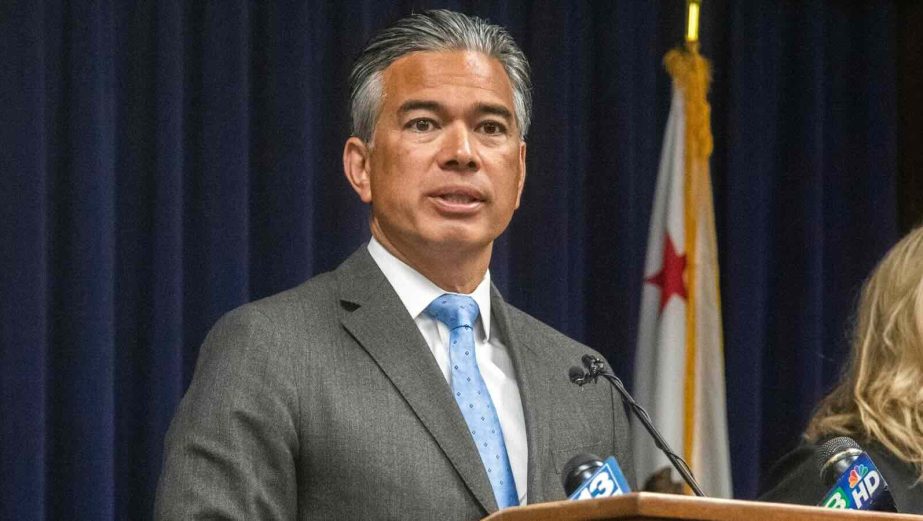

SAN JUAN, P.R. – Daniel Little said he wasn’t trying to send some message to the Sports Betting Alliance or make a comment on the very long-view approach of the 109 tribes that control gambling in California.
The chief intergovernmental affairs officer of the Yuhaaviatam of San Manuel Nation was simply offering an opinion, he said, based on 25-30 internal polls conducted by the owners of a sprawling casino in Highland, California.
Californians, he said, may not want legal sports betting as much as the gambling industry hopes.
“When we go out to the voters and poll them, there’s just not a lot of desire,” he said Thursday at the National Council of Legislators from Gaming States (NCLGS) winter conference. “I’m not one of these folks that believe, ‘Oh, it’s going to happen, so get on board.’”
The embers of a failed effort to legalize sports betting in California in 2022 through Propositions 26 and 27, plus a spate of recent sports gambling scandals — one involving the former interpreter of Los Angeles Dodgers star Shohei Ohtani — could be having a corrosive effect, he said.
“Maybe [sports betting legalization] never happens, because I think the more of these scandals that come out, I think it turns off voters and voters feel, especially in California, ‘Maybe we have enough gambling right now and we don’t need it,'” he said.
Little said Yuhaaviatam polling over the past five years shows that as few as 10% of Californians and up to more than 20% bet on sports. Little did not share polling numbers about whether or not respondents support the idea of legal sports betting.
“And that kind of mirrors the failure of Proposition 27, where [82.2%] voted against it,” he said.
Little said that Yuhaaviatam polling language was intentionally devoid of “sweetener,” such as mentioning where sports betting revenue could be allocated, that could “push an “outcome.” He added that if the SBA — a trade group composed of bet365, BetMGM, DraftKings, Fanatics, and FanDuel, was being “honest with themselves, they’re seeing the same numbers that we’re seeing.”
Wagering link bad for tribal images?
Sports betting and the legalization of it generates far more publicity, proportionally, than it does revenue for gambling companies when compared to casino games. Little wonders if these companies’ sponsorship associations with sports and by extension sports betting could negatively affect their profile.
“Especially now that we’re seeing a lot of these major scandals coming on: the NBA, Major League Baseball, Ohtani [his interpreter] and the Dodgers,” Little said. “I mean, it’s causing problems, I think, for the industry, and we’ve had a lot of conversations with the leagues because tribes are big, major sponsors of sporting events.”
Little contrasted the facts that the coach that recently shepherded the Dodgers through their World Series parade bore Yaamava’ Resort & Casino — the San Manuel Nation casino — signage as recent polls suggest that sports wagering has shaken fan confidence in the integrity of sports.
“That’s a problem,” he said. “That’s a problem for the gaming industry. That’s a problem for the teams in the leagues.”
Apathy could push timeline to ’29 at best
California’s gambling landscape is currently made up of tribal casinos, pari-mutuel horse racing, a lottery, and controversial cardrooms. Native interests have long opposed as an incursion on their gambling exclusivity.
“So there’s lots of gambling already in California,” Little said.
As tribal entities and national operators continue to formulate what a sports betting economy would entail in California, sportsbooks like DraftKings and FanDuel are preparing to launch prediction markets, which the tribes vehemently opposed. Fanatics Markets is live in California.
Little said that even if public sentiment suddenly changed on sports betting, it’s unlikely there could be another initiative in California before 2028.
“By the time you get operational, ‘29,” he said. “So there’s still kind of a long roadmap before anything would take place. But unless polling changes, I don’t know where the industry goes.”