
Add New Jersey to the growing list of states seeking to rein in prediction markets.
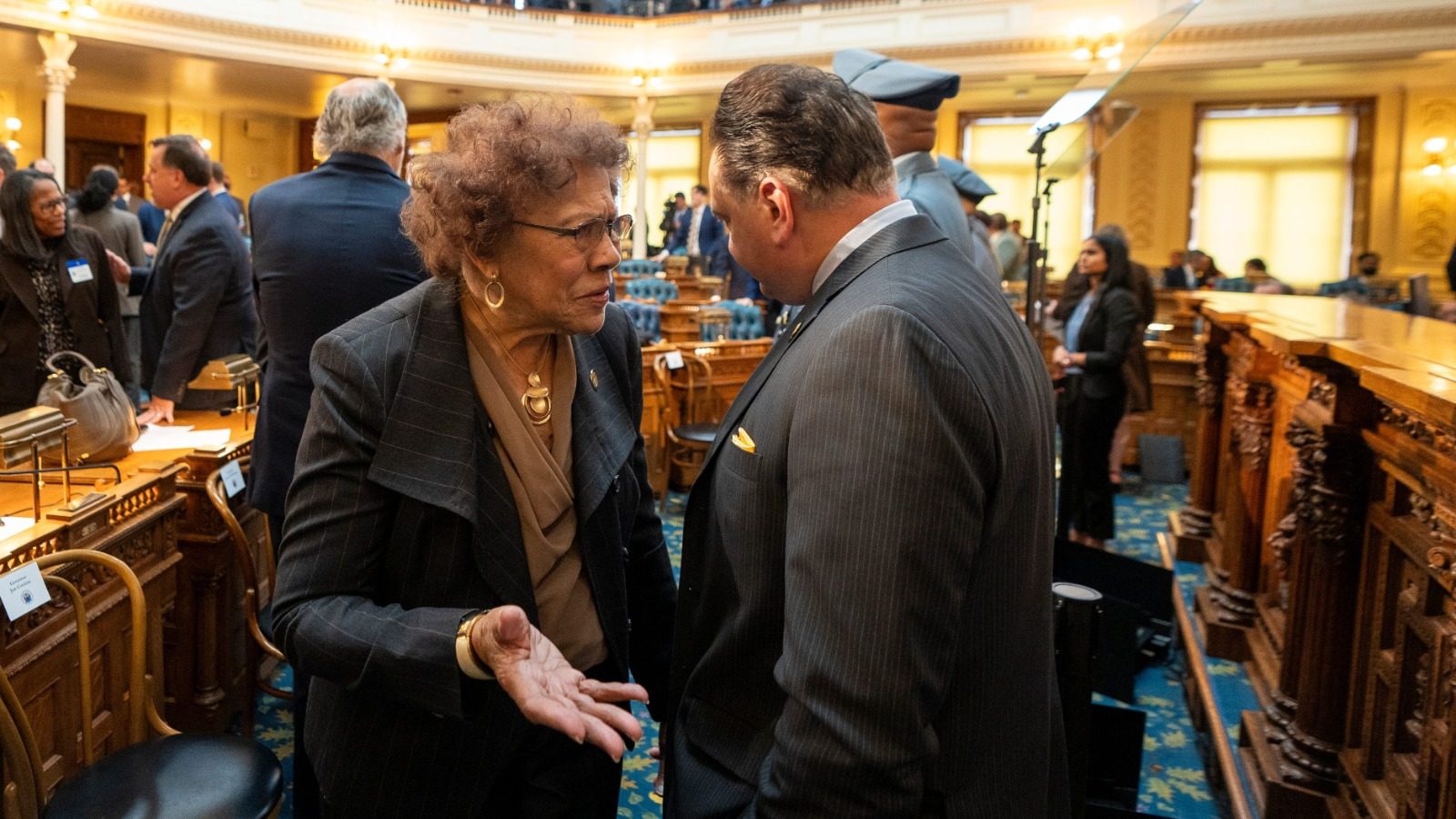
Introduced by Senate President Pro Tempore Shirley K. Turner on Tuesday, Senate Bill 3692 does provide an interesting wrinkle: While it seeks to ban contracts on political elections, deaths, or catastrophic events, it is not seeking to ban sports event contracts.
Instead, it is demanding the prediction markets either get licensed as a sportsbook or partner up with an existing sportsbook operator.
“New Jersey already has a comprehensive, tightly regulated sports betting system that prioritizes consumer protection, responsible gaming, and transparency,” Turner said in a press release. “Allowing prediction markets to offer similar wagering opportunities without those same guardrails creates an uneven playing field and exposes residents to unnecessary risk.”
The legislation would also create consumer protections, anti-fraud requirements, and transparency measures for prediction markets.
And as for politics and the like? Turner draws a hard line.
“New Jersey should never allow people to profit from human suffering or turn our democratic process into a betting market,” she said. “When money is tied to outcomes, it creates incentives for manipulation and abuse, whether involving elections, public discourse, or sporting events. If a company is offering products that look and function like sports betting, they should be subject to the same rules, oversight, and responsibility to protect consumers. This legislation draws a clear line between innovation and exploitation.”
More details
Co-sponsored by Sen. John F. McKeon, the bill was referred to the Senate State Government, Wagering, Tourism & Historic Preservation Committee.
In addition to a license or a partnership, prediction markets offering sports contracts could only accept bets from people over 21, would have to build out responsible gambling programs, and would pay the same tax rate as online sportbooks. The Division of Gaming Enforcement would have oversight, and operators who violate the law face a $1 million per day penalty. All platforms would also be required to disclose market settlement sources and report suspected fraud to the attorney general.
The legislation acknowledges that prediction markets operate under the federal Commodity Exchange Act and does not seek to conflict with federal law, but asserts the state’s right to regulate where federal law leaves gaps.
The battle over prediction markets in New Jersey is not new. In April 2025, a federal judge granted Kalshi a preliminary injunction blocking New Jersey’s cease-and-desist order, siding with the platform’s argument that federal jurisdiction preempts state enforcement. That case remains on appeal before the Third Circuit, where attorneys general from more than 30 states filed briefs backing New Jersey.