
The class-action lawsuit over DraftKings’ “$1,000 Deposit Bonus” in Massachusetts is being allowed to move forward.
A state court judge refused to dismiss the core consumer-protection claim in a ruling issued Feb. 17, meaning a jury, not the court, will eventually decide whether the promotion clearly told bettors what it actually took to get the full bonus.
The lawsuit was filed by Massachusetts customers Melissa Scanlon and Shane Harris and is being brought by the Public Health Advocacy Institute. The plaintiffs are seeking to represent everyone in Massachusetts who signed up under the promotion when DraftKings launched mobile sports betting in the state in March 2023.
According to the complaint, bettors needed to deposit up to $5,000 and place $25,000 in wagers within 90 days to unlock the full bonus of $1,000; the reward came as non-withdrawable site credits that had to be wagered again.
DraftKings argued those terms were disclosed and that customers received exactly what the promotion promised. Judge Debra A. Squires-Lee didn’t rule on whether the ads were deceptive. Instead, she said there are factual disputes that must be decided by a jury.
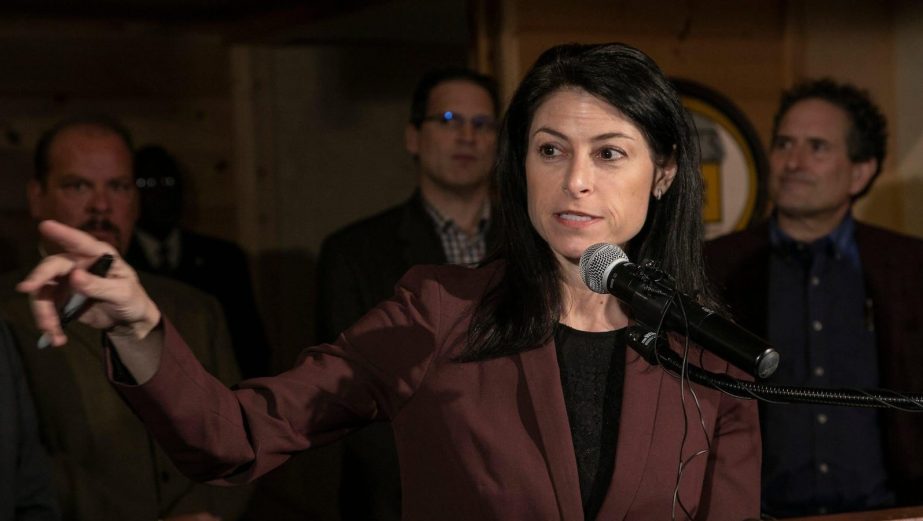
Mark Gottlieb, executive director of the Public Health Advocacy Institute, called the ruling significant.
“As I understand it, no other consumer class action regarding gambling promotions in the sports gambling realm has gotten to this point yet,” Gottlieb told InGame. “This case has gone further than any of the other class actions so far.”
The case, filed in 2024, now moves toward class certification, which would determine how many Massachusetts bettors are formally included. Gottlieb said that process will likely play out through the spring, with a resolution expected sometime this summer.
If certified — and according to data compiled by the law firm Duane Morris (which is not part of this case), roughly two-thirds of class action cases that make it this far get certified — the plaintiffs could seek broader discovery from DraftKings, including data on how many people actually received the full $1,000 bonus.
DraftKings fights back
DraftKings is adamant that the case will play to their favor when all is said and done.
“The Court’s ruling was a partial denial of DraftKings’ motion for summary judgment based on an evidentiary ruling that acknowledged DraftKings’ heightened burden in the summary judgment context — it did not grant the plaintiff any relief, nor did it determine any liability,” a spokesman for the company told InGame. “DraftKings is confident that the evidence will show that the applicable terms and conditions for the first-time Deposit Bonus were clearly disclosed to eligible customers, and that those terms were straightforward and easy to understand.”
DraftKings did secure a partial win, but it was narrow and procedural. Squires-Lee dismissed a separate advertising claim brought under a different Massachusetts statute, ruling that the law only allows courts to order a company to stop a practice and not award money damages, and that because the promotion ended in 2023, there was nothing left to do. In other words, that claim was moot.
The main consumer-protection claim, however, remains intact, and that’s the one that carries potential financial exposure.
The ruling also highlights a dispute over eligibility. Harris claims he did not receive the bonus, because DraftKings treated him as an existing customer based on a daily fantasy sports account he opened years earlier. The judge said a jury could decide whether it was clear that a DFS account made someone ineligible for a “new” sportsbook promotion.
DraftKings also argued that gambling losses themselves can’t count as a legal injury in this type of case. The judge rejected that argument at this stage, writing that if bettors can show they placed wagers specifically in pursuit of a bonus they claim was misleading, those losses can qualify as harm under Massachusetts law.