Two members of Congress have proposed yet another bill to rein in prediction markets, as opposition to the vertical on Capitol Hill appears to keep growing.
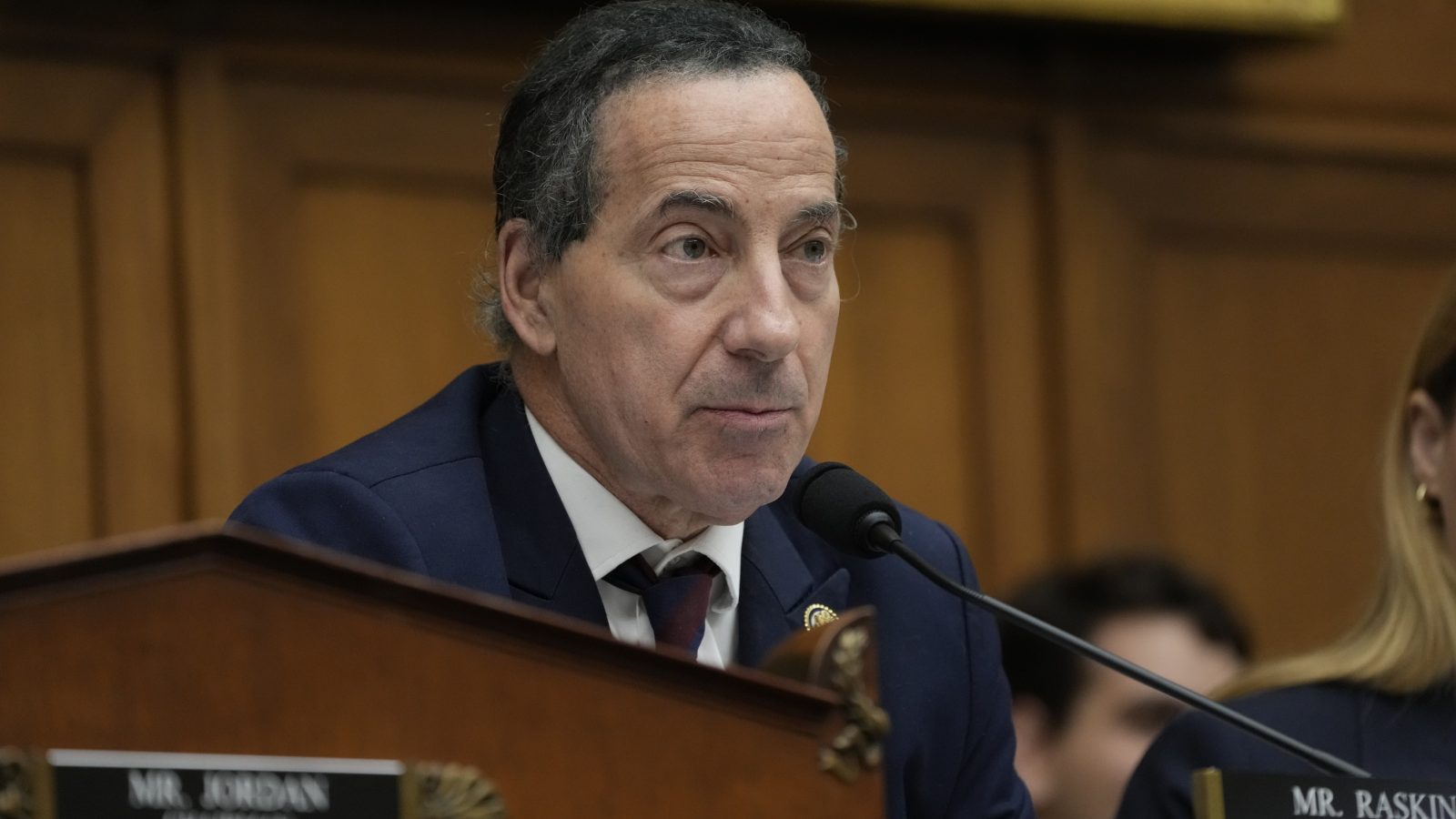
The bicameral STOP Corrupt Bets Act, introduced by Sen. Ed Merkley and Rep. Jamie Raskin, would ban prediction markets on elections, sports, military actions, and government actions where the contract cannot be used for “hedging or mitigating commercial risk.” The Commodity Futures Trading Commission (CFTC) will determine whether government-action contracts can be classed as useful for hedging.
STOP-Corrupt-Bets-Act-Full-Bill-TextThe bill also instructs the CFTC to ban “any agreement, contract, transaction, or swap … that is not used for hedging or mitigating commercial risk.”
In a press release, Merkley and Raskin said that those topics are “not commodities and have little-to-no value in helping business investments.”
The legal status of contracts on military action is somewhat ambiguous. Kalshi’s CEO Tarek Mansour has said in social media posts that these contracts would be illegal and the business does not offer them, but in court, the business argues that they are not automatically illegal.
The bill would also require the CFTC to “prevent any market that doesn’t have a commercial hedging value to prevent unregulated gambling.”
In addition, it would clarify that the Commodity Exchange Act (CEA) does not preempt state gambling laws. Kalshi has argued in court that it does, using this argument to fight off state attempts to shut down its sports markets. In the absence of explicit language one way or the other, federal judges have disagreed about whether or not the CEA preempts state gambling laws.
Finally, the bill would require that the Government Accountability Office conduct a study on “prediction markets, insider trading, preventing any other markets that are ‘gaming’ or gambling, the impact on children, and ways Congress can rein in offshore illegal bets.”
‘Erodes public trust’
“When anyone can use prediction markets to make a well-timed bet on Congress passing a bill, government decisions, or a military strike, it’s ripe for corruption and erodes public trust,” Merkley said in the press release. “The STOP Corrupt Bets Act restores the original intent of prediction markets and prevents these markets from further eroding our democratic institutions and turning them into a casino.”
Raskin added that the bill would limit insider trading.
“The oligarchs and opportunists are using prediction markets like Kalshi and Polymarket to enrich themselves. But democracy isn’t about insider gambling on our common future, it’s about everyone making our common future together,” he said. “Placing bets on public policy and political events informed by insider knowledge and insider manipulation spreads civic cynicism and distrust in our democratic institutions.
“By banning bets on elections, legislation, acts of war, and other government actions, we can oppose corrupt attempts to rig our democracy and profit from the fix, and we can redeem public faith in the idea that government is an instrument for the common good and not a casino.”
One of many, many federal bills
The bill is the twelfth piece of proposed legislation in Congress this year addressing prediction markets, and the second to be co-introduced by Sen. Merkley. Merkley and Sen. Amy Klobuchar on March 5 introduced the End Prediction Markets Corruption Act, which bans elected officials and government staff from trading on prediction markets, even if the contracts involved do not directly concern their work in government.
Other federal bills include Sen. Adam Schiff and Sen. John Curtis’ Prediction Markets Are Gambling Act, which would ban prediction markets on sports, and Rep. Greg Casar and Sen. Chris Murphy’s Banning Event Trading on Sensitive Operations and Federal Functions (BETS OFF) Act, which would ban all trades on government action and events where the outcome is already known.
So far, none of these bills have made it further than being assigned to a committee, and it is not clear whether they will have a path to the floor.
“I’m ready to work with my colleagues on both sides of the aisle to crack down on this bad bet for democracy and restore our vision of government ‘of, by, and for the people,’ not government ‘of, by, and for the powerful,” Merkley said.