Hard Rock Stadium will not host World Cup games beginning on June 15.
Miami Stadium will. (Even though it’s technically in Miami Gardens, Florida.)
The power that world soccer sanctioning body FIFA wields over the marketing of its prestigious event assured that 10 of the 11 venues hosting 104 games, ending on July 19, will change from corporate to geographic names. Only official sponsors and partners of the organization will be allowed to brand themselves, with a partial exemption made for Mercedes-Benz Stadium in Atlanta.
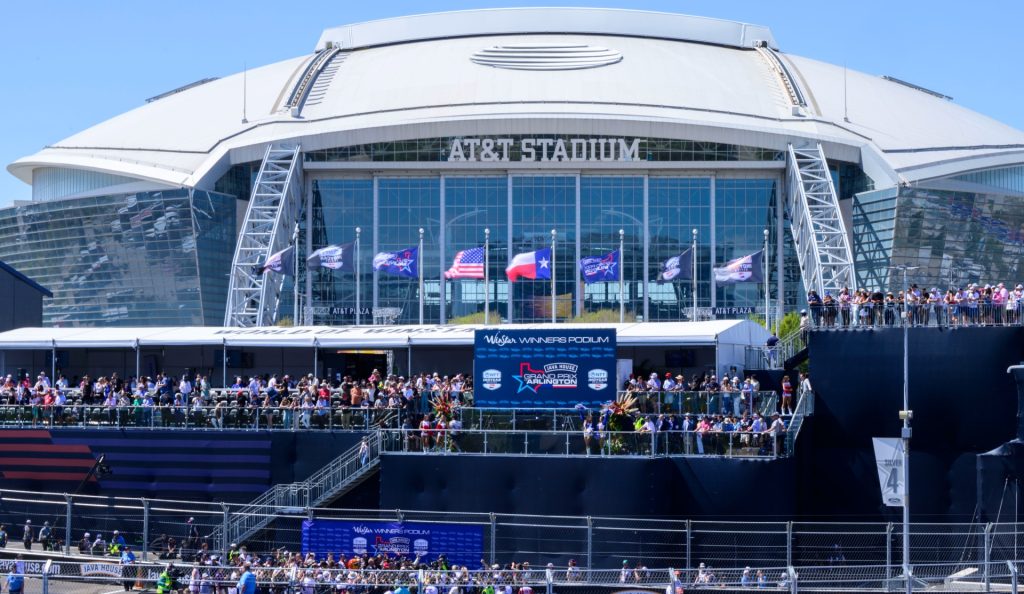
FIFA demands compliance to “protect its brands and the exclusive rights of its sponsors,” meaning AT&T Stadium in Arlington, Texas, will be generically known as Dallas Stadium for the World Cup. Not just gambling brands are to be expunged, but anything that competes with FIFA sponsors, even though the body doesn’t technically have a sportsbook partner anymore.
While several gambling/resort companies stand to lose valuable real estate they’ve rented through deals with NFL teams hosting World Cup games in their stadiums, Hard Rock International, owned by the Seminole Tribe of Florida, is the only one to actually have its name removed from a venue. Hard Rock also operates a global hospitality and resort business.
FIFA’s official sportsbook partner for the 2022 World Cup and 2025 Club World Cup, Betano, does not do business in the United States. In January, though, FIFA announced that Stat Perform had become its official betting data provider and an intermediary for legal sportsbooks here. At least one domestic sportsbook company broached the possibility of negotiating an official partnership with FIFA for the World Cup, but it considered the terms exorbitant. Those terms were not revealed.
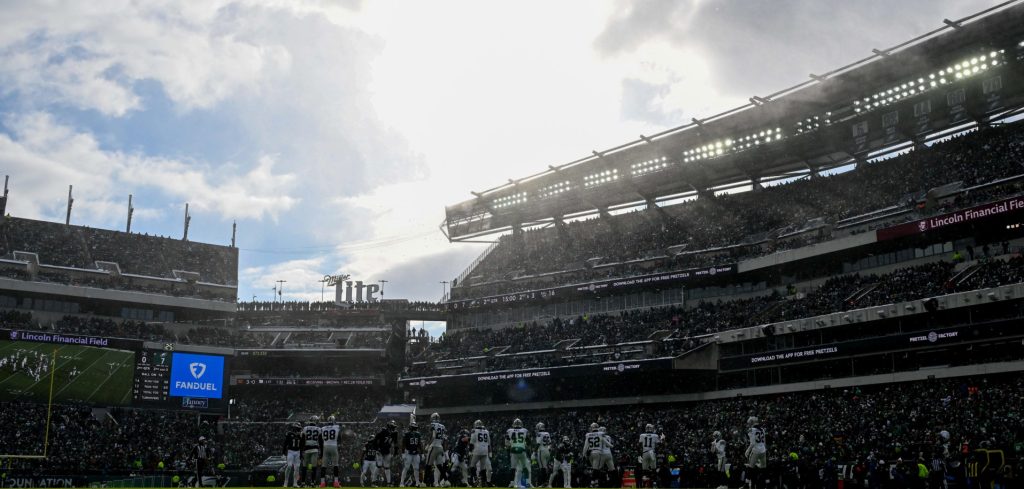
United States World Cup venues with gambling partnerships:
- AT&T Stadium (Dallas Cowboys): DraftKings (fantasy), WinStar World Casino
- GEHA Field at Arrowhead Stadium (Kansas City Chiefs): BetMGM, DraftKings, FanDuel, and the Kansas Lottery
- Lincoln Financial Field (Philadelphia Eagles): BetMGM, BetRivers, FanDuel, and the Pennsylvania Lottery
- Lumen Field (Seattle Seahawks): Muckleshoot Indian Tribe and Muckleshoot Casino Resort
- NRG Stadium (Houston Texans): Caesars Entertainment
- SoFi Stadium (Los Angeles Rams and Chargers): Pechanga Resort Casino, Wynn Las Vegas
In some cases, not much exertion will be required to comply with FIFA’s demands. FanDuel’s prominent scoreboard position at Lincoln Financial Field is digital. Covering the massive physical “Hard Rock” signs inside and above the exterior of the Dolphins’ home turf will be more of a chore.
Missed opportunities for US sportsbooks?
Any bettor attending World Cup games or watching them on television will almost assuredly come already patronizing at least one preferred sportsbook brand. And that’s assuming they’re in a state with legal sports betting. Five of the host cities are in states without legal sports betting and Washington has only legalized retail retail wagering. California and Texas, which each boast two host cities, remain the unfulfilled dreams of the legal sports betting industry in the U.S.
That said, with domestic World Cup handle forecast to at least double the $1.8 billion wagered in 2022, and this the first World Cup in the U.S. since sports betting proliferated, putting a brand in a potential customer’s line of sight would have been good business.
“It’s the World Cup and every soccer fan in the world, the ones in the U.S., can’t wait for this event to happen,” Sportradar Managing Director Trading Services Darren Small told InGame. “The size of the event is phenomenally big, as we’d expect with it being in the U.S. now. We’d expect it to have grown, but we’re expecting a lot more opportunity for the customers. The 48 teams, 104 matches that we’re planning to see, it’s only just more opportunity for us, for the customers to place bets and enjoy the entertainment that comes along with it.”
FIFA contract means major adjustments
The brand-scrubbing program is required by a FIFA contract agreement where stadium operators agreed to “no advertising, marketing, promotion, merchandising, licensing, signage, or other commercial identification of any kind on any stands, scoreboards, seats, seatbacks, time clocks, staff uniforms, Accreditation passes, fences or elsewhere inside, surrounding, or in the airspace above and around the Stadium other than that which is installed by, or at the direction of, FIFA or which is approved in writing by FIFA.” The agreement was obtained by The Athletic.
The FIFA-fying of these venues involves much more than purging advertising, with several having to be retrofit with natural grass to adhere to sanctioning body rules.
Dealing with FIFA’s protection of corporate partners — which includes the removal or obscuring of stadium logos visible only from above — has made for logistical annoyances for most venues, but Mercedes-Benz Stadium received accommodation.
After it was determined that the so-called “oculus” moon roof mechanism — which bears the sponsoring carmaker’s logo — couldn’t be altered or covered without risking damage, FIFA relented after 18 months of dialogue, according to The Athletic. The venue will be referred to as Atlanta Stadium, but the logo will remain visible from the sky.