There are too many prediction markets with “not a lot of differentiation” between them, and the sector is likely to enter a period of “consolidation” over the coming years, according to Robinhood CEO Vlad Tenev.
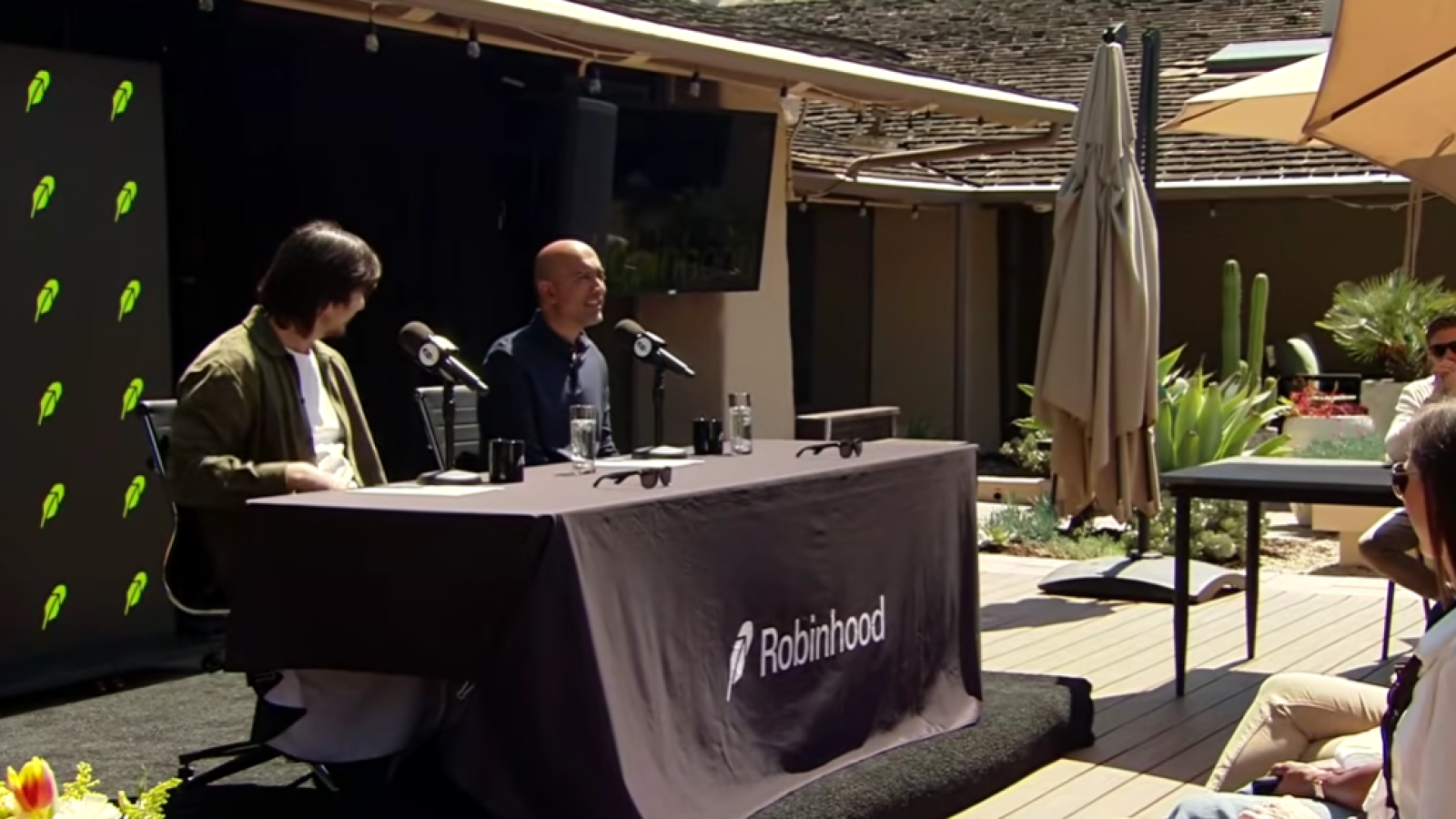
Tenev was speaking Tuesday at, in his words, “what might be the first outdoor earnings call in history,” after the stock trading app’s first-quarter results.
Tenev discussed the performance of Robinhood’s existing prediction market business, which allows users to buy Kalshi and ForecastEx contracts, as well as the company’s plans to launch its own exchange, Rothera, rather than simply routing all users to Kalshi or ForecastEx. However, Robinhood will continue to also offer contracts from other exchanges, at least at first.
Rothera will launch before June 30. It is a joint venture with Susquehanna International Group, which is currently one of Kalshi’s most significant market makers.
“It really gives us end-to-end control of the customer experience, including product control and pricing,” Tenev said.
Consolidation
Kalshi and Polymarket’s global site remain a duopoly, despite the efforts of challengers like CME, Gemini, Crypto.com, and ForecastEx. More competitors appear to be on the way, with 10 companies having submitted designated contract market (DCM) applications to the Commodity Futures Trading Commission (CFTC) in 2026 alone.
Tenev said he could see some consolidation, implying that certain smaller exchanges could be bought out by bigger players.
“We should expect to see some consolidation because, frankly, if you look at all these exchanges popping up, there’s not a lot of differentiation,” he said.
The exchange format of prediction markets can lead to a winner-takes-all environment for DCMs, because traders are most likely to bet the amounts they wish to at competitive prices on a platform with more customers.
Despite the fact that Rothera’s second-quarter 2026 launch comes after huge head starts for Kalshi and Polymarket, Tenev said he was confident that it would not become another undifferentiated exchange, because Robinhood’s established customer base gives it a unique proposition.
“And one of the things I think we’re unique with is that we have 27 million funded accounts in the U.S.,” he said. “And we not only have an advantage with retail, but also, through our partnership with Susquehanna, with institutional as well.
“I don’t believe there will be dozens of DCMs in the future. I think there will be some consolidation and we should see that shaking out in the next couple of years.”
States’ actions are ‘not irrational’
Tenev also expressed more sympathy than most other prediction market bosses toward the viewpoints of states that argue prediction markets violate their gambling laws.
“I would love it if the states didn’t have concerns, but it’s not irrational,” he said. “It’s a jurisdictional dispute. The CFTC is claiming, and we agree with their standpoint, that these are federally regulated products over which they have jurisdiction, and the states, some of them, have a different view.
“We continue to defend our position and think that it would be strange if the states start exerting jurisdiction over federally regulated products. And this is something that will continue to play out in the coming years.”
Robinhood share of Kalshi volume slips again
Robinhood users bought 3 billion event contracts in March, and 8.8 billion for the first quarter as a whole, suggesting a strong finish to the period after the business reported users bought 2.6 billion event contracts in the first 27 days of March. Given that Robinhood charges its customers a one-cent fee on every event contract, which each cost a dollar, that means the business made $88 million in revenue from event contracts during the quarter.
In April, CFO Shiv Verma said Robinhood was on track to sell another 3 billion event contracts, and that the month is set to be its second-best ever. However, that 3 billion contract figure would mean that Robinhood is continuing to represent a declining share of Kalshi volume. Kalshi is on course for more than $14 billion in volume in April, leaving Robinhood at just over a 20% share. Robinhood’s share of volume on Kalshi peaked in September at 59.4%.
Robinhood shares dropped when the stock market opened Wednesday, largely due to figures unrelated to its prediction market performance, such as higher-than-expected spending to implement so-called “Trump Accounts.”
They were down as much as 12.7% to $71.70. After a dramatic rise between April and October 2025, Robinhood shares are now down more than 50% in a little over six months.