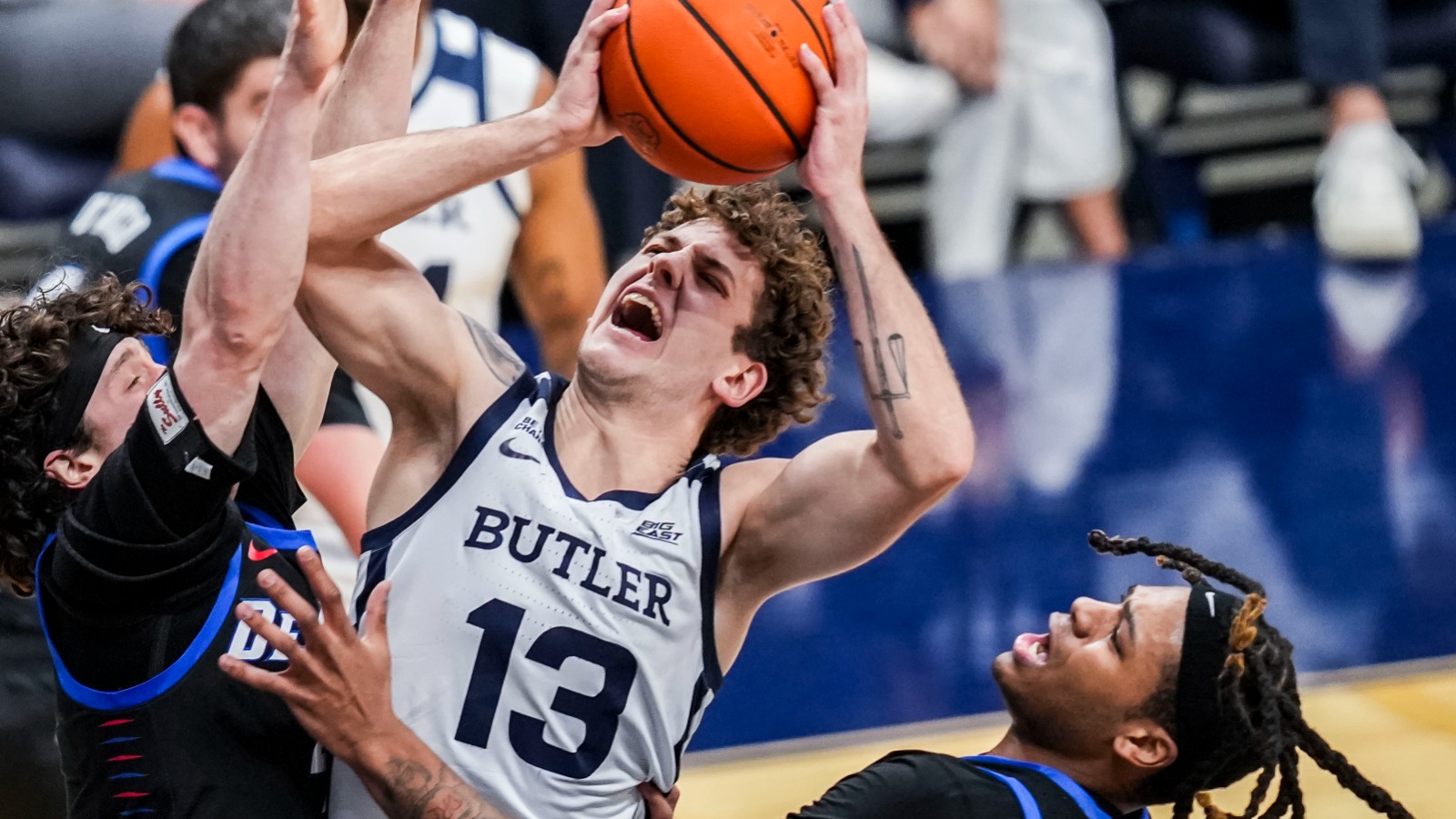
Indiana’s gaming commission Thursday tabled a discussion about banning college player prop bets despite an NCAA plea to protect its athletes. The decision to continue to consider the issue rather than make a change now goes against the grain — nearly 20 states ban college player prop bets, and there’s been plenty of discussion in state houses and regulatory agencies around the topic over the last year.
The NCAA started pushing for such bans shortly after former Massachusetts Gov. Charlie Baker took over as its chief in early 2023. Tim Buckley, NCAA SVP for external affairs, told the Indiana Gaming Commission (IGC) that half of all Division I basketball players said they have been harassed: “We know that athletes are being harassed, not only in person and in the stands, but online by people who have a betting interest in that.” Three major in-state universities — Butler, Indiana, and Purdue — all wrote letters to the commission supporting the ban.
NCAA Director of Enforcement Mark Hicks also said that the NCAA has seen incidents in which basketball players trade information before a game, share that information with bettors, and wagers are placed, as well as college football players who end up in the NFL admitting they had bet on their college teams. He said that “having targets on the backs of student-athletes is especially concerning when you have player performance at stake.”
But industry representatives argued that banning bets only takes away enforcement options. Prohibiting prop bets of any kind or declining to offer a specific betting market, operators say, only sends bettors to the black market — or a federally regulated prediction market — removing the ability to enforce regulations from state-licensed operators and regulators. Scott Ward, on behalf of the Sports Betting Alliance, told the commission that banned bets don’t go away, rather it just “eliminates their visibility.”
Ironically, the hearing was on the same day that Fanatics announced it had signed on to the new IC360 and Signify “ProhiBet Bad Actor” platform. The platform will allow the companies to identify and take action against people who harass athletes across social media platforms.
The IGC next meets Sept. 24 and could revisit the issue then.
In other news …
New Mexico: State Rep. John Block Tuesday asked the Interim Indian Affairs Committee to consider allowing tribes and pueblos to reopen their gaming compacts with the state to add online sports betting, SourceNM reported. New Mexico tribes have been offering in-person sports betting since October 2019. During the meeting, Block said, “It would be really nice, at least, to get some more revenue for people, because if people are already here operating in the state illegally online, then that robs you, it robs us, it robs every single New Mexican of that tax revenue.”
Block was likely referring not only to offshore sportsbooks, but also to federally regulated prediction markets that offer sports event contracts in the state. New Mexico’s Mescalero Apache Tribe in May filed a federal lawsuit against Kalshi, and the state attorney general in early June filed a complaint against Kalshi in state court.
Pennsylvania: A state representative on June 12 filed HB 2631, which would ban online gambling on all K-12 public school campuses and require operators to geofence around schools that fall in that category. The bill was referred to the House Gaming Oversight Committee, and no hearing has been set. The proposal does not include a geofencing requirement for colleges or universities.
“Our schools should be a place for learning, not a place to lose your future one bet at a time,” Rep. Jason Ortitay said in a press release. The bill was filed to honor a young man who began gambling as a student and his addiction “ultimately cost him his life,” per the press release.