Kalshi’s and Polymarket’s attempts to offer contracts on whether players dealing with injuries participate in games look to be pushing the limits on one of the few lines the Commodity Futures Trading Commission (CFTC) has drawn on sports contracts. But so far, there has been no sign that the regulator intends to instruct the platforms to take the contracts down.
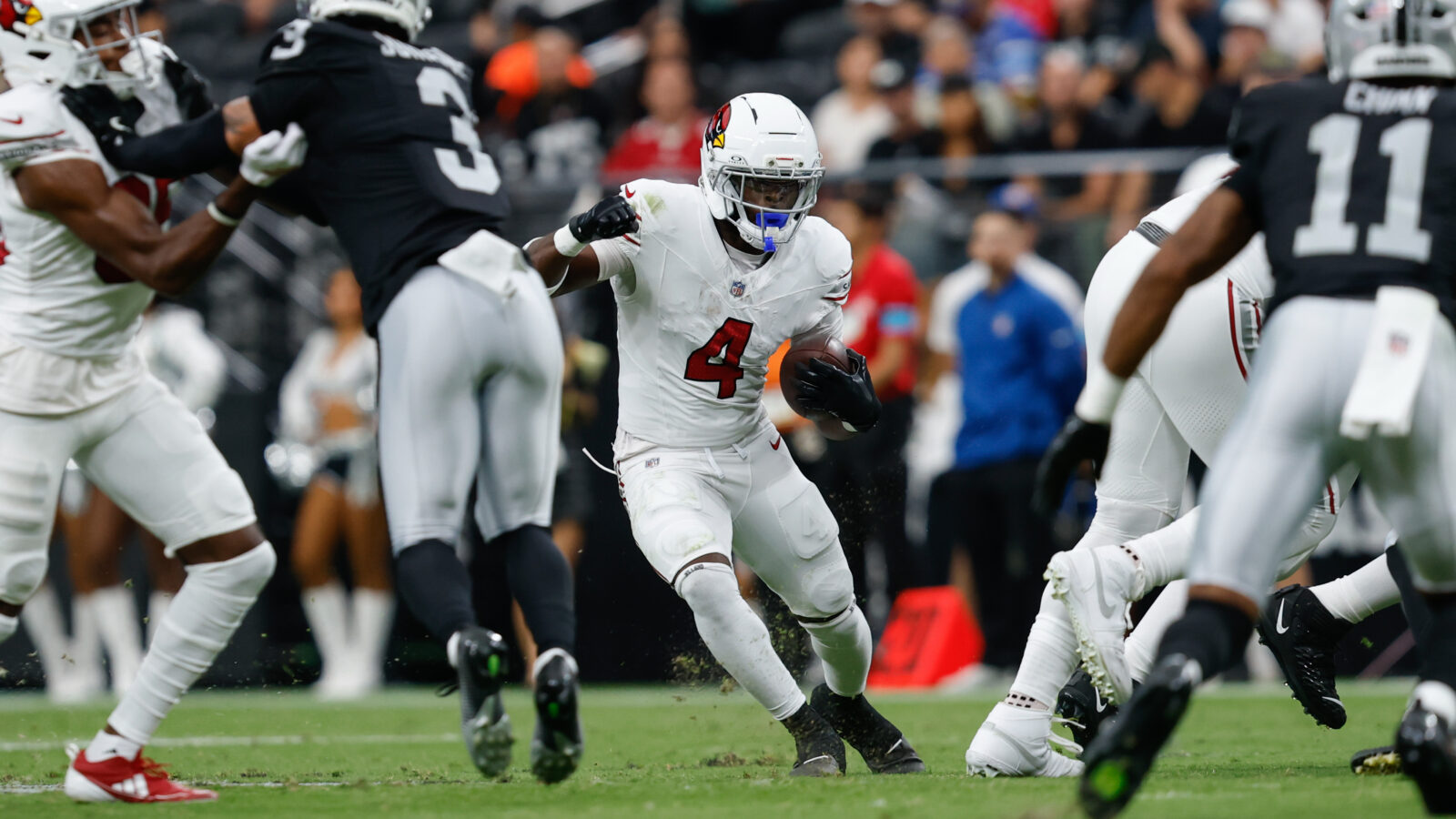
Earlier this month, Kalshi started offering markets on whether players will play in Week 1 of the NFL season. Players listed in the market include a number of players known to be dealing with injuries but all but certain to play if healthy, such as Raiders running back Ashton Jeanty and Cardinals running back Jeremiyah Love.
The Kalshi contracts were self-certified in February under the name “Will [athlete] compete in [event]?”
On Tuesday, Polymarket US self-certified “NFL American Football Player Participation Contracts.” The example contract listed is ”Will Patrick Mahomes participate in the Kansas City Chiefs’ Week 1 regular-season game?” That contract would depend almost entirely on Mahomes’ recovery from an ACL injury. Polymarket US said it “intends to list the Product no earlier than August 27, 2026.” That means the CFTC could still review the contract before it goes live, though it did not do so for Kalshi.
CFTC warnings on injury contracts
The contracts were self-certified, and in Kalshi’s case listed, despite the CFTC warning prediction markets about injury contracts.
The CFTC’s Division of Market Oversight (DMO) put out an “advisory” on prediction markets in March stating contracts “that resolve or settle based on injuries to individual sports participants” may “create a heightened potential for manipulation or price distortion.”
In June, the regulator then released a set of proposed rules identifying five types of sports contracts that it said would likely be against the public interest. These are “player injury contracts,” “officiating outcome contracts,” “discrete-action contracts involving specific participants,” “physical altercation contracts,” and contracts on “pre-collegiate sports events.”
While the CFTC specifically highlighted contracts on players getting injured, it said that these categories shouldn’t be taken as the only possible sporting contracts that are against the public interest and that it still had the discretion to rule on a case-by-case basis.
Technically, the CFTC’s guidance on injury markets isn’t in effect yet and won’t be before the NFL season kicks off Sept. 9, as it remains out for consultation. But the current rules are at least open-ended enough that the regulator would likely have the power to block the contracts if it wished.
However, the CFTC does not appear to have taken any action to pause Kalshi’s contracts, which remain live.
Both CFTC messages — as well as a warning about overly broad self-certifications, which may have required Kalshi to further clarify what type of trades it was self-certifying — came out after Kalshi had already self-certified the contract.
The contracts also likely risk upsetting the NFL, which called injury contracts “inherently objectionable” in a letter to the CFTC. Prediction markets, which have partnered with the NHL and MLB, still appear far from an agreement with the biggest sports league in the U.S.
Spokespeople for Kalshi and Polymarket did not immediately respond to a request for comment.