Utah could soon be the next state — and the first without legal sportsbooks — to ban Kalshi’s sports contracts, after the U.S. Court of Appeals for the Tenth Circuit on Tuesday denied Kalshi’s emergency request for an injunction. The injunction would have shielded Kalshi from state enforcement while the Tenth Circuit reviews Kalshi’s appeal of a District Court decision that also went the state’s way.
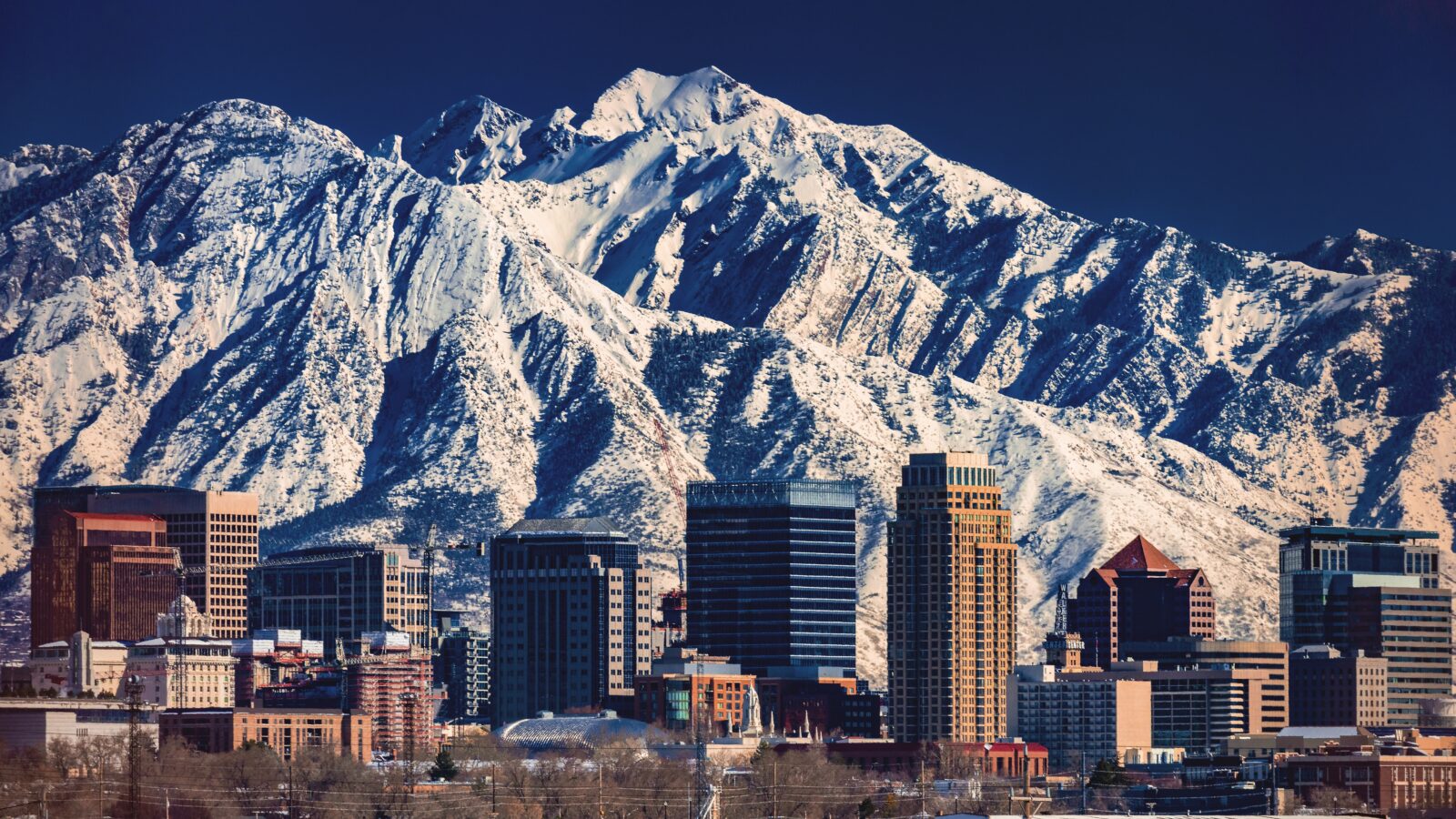
In August, the U.S. District Court for the District of Utah ruled that the state can enforce its ban on gambling against Kalshi’s sports contracts. Utah is one of only two states, alongside Hawaii, where state law allows for no gambling whatsoever.
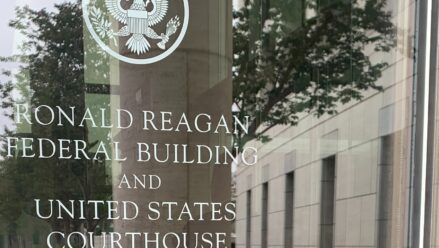
Kalshi is appealing the August decision in the Tenth Circuit. It requested an emergency injunction that would have prevented the state from taking action until the appellate court makes its decision, which could be months away. However, the court rejected the injunction request in a brief order.
It said: “When seeking an injunction pending appeal, a movant must show: (a) ‘the likelihood of success on appeal’; (b) ‘the threat of irreparable harm if the … injunction is not granted’; (c) ‘the absence of harm to opposing parties if the … injunction is granted’; and (d) ‘any risk of harm to the public interest.’ Kalshi has not shown these factors weigh in its favor. Accordingly, we deny its motion.”
Could Kalshi face criminal charges?
Now, with no protection against state-level enforcement, Utah could sue Kalshi, or potentially even file criminal charges. In Utah, it is a third-degree felony if someone intentionally “provides or offers to provide” online gambling “to any individual in this state.” Kalshi’s initial District Court lawsuit and its request for an emergency injunction specifically noted that the company was at risk of criminal enforcement if an injunction was not granted.
So far, Arizona has been the only state to file criminal charges against Kalshi. In that case, a District Court granted a temporary restraining order to pause the criminal proceedings after the Commodity Futures Trading Commission (CFTC) stepped in and sued the state. The Ninth Circuit, which includes Arizona, recently ruled that states can enforce their gambling laws against sports event contracts, potentially opening the door for that restraining order to be lifted.
Iowa adds to Kalshi losing streak
The Utah defeat was just one in a string of courtroom losses for Kalshi in the past six weeks. It had another defeat Tuesday when the U.S. District Court for the District of Iowa rejected Kalshi’s request for a preliminary injunction to prevent Iowa from enforcing its sports betting laws.
Kalshi-Iowa-denialLike courts in Maryland and New York, the court in Iowa focused on whether the Commodity Exchange Act (CEA) preempts gambling laws. It did not make a decision on whether or not sports event contracts meet the definition of a “swap.” To win an injunction, Kalshi has to prove both that its sports contracts are swaps and that preemption applies — a win for the state on either one of those points is enough to deny an injunction.
The court in Iowa found that Congress never intended to preempt state gambling laws when it amended the CEA through the 2010 Dodd-Frank Act, because Congress was not considering gambling laws when it wrote the legislation.
“Gambling was not a focal point for Congress when it amended the Commodity Exchange Act through the Dodd-Frank Act,” Judge Stephen Locher wrote. “Instead, the purpose of the Dodd-Frank Act was to address the role unregulated financial derivatives played in contributing to the financial crisis of 2007 and 2008.
“In context, there is no reason why Congress would have given much attention to gambling when it enacted the Dodd-Frank Act.”
Robinhood pulls sports contracts from Michigan
Meanwhile, Robinhood, which offers access to Kalshi contracts as well as those from Crypto.com and its own exchange Rothera, also stopped offering sports contracts in Michigan Wednesday, according to CDC Gaming.
“While we do not believe these contracts violate any state laws, beginning on (Wednesday), we will restrict customers in Michigan from entering new sports-related event contract positions,” a Robinhood spokeswoman told CDC Gaming.
Michigan has banned Kalshi’s sports event contracts since June, and last week a judge in the state issued an injunction enabling it to extend the ban.