The Commodity Futures Trading Commission (CFTC) has warned that “mention market” event contracts may be readily susceptible to manipulation, but added that this can be overcome if certain safeguards are in place.
The CFTC’s Division of Market Oversight (DMO) issued an advisory Tuesday, covering “mention, attendance, and interaction” event contracts. It noted that all three categories often depend “on the discrete conduct of an individual.”
26-27Under the CFTC’s core principles, contracts offered by designated contract markets (DCMs) may not be “readily susceptible to manipulation.” When DCMs self-certify new contracts, they must attest that the contract is in line with all core principles.
“DCMs should consider whether certain categories of event contracts, such as Mention Markets, have a heightened potential for manipulation,” the letter said.
“Because the outcome of these contracts is often within the control of a small number of actors, the settlement condition is comparatively easier to cause, prevent, or influence for personal gain.”
The letter says that, depending on the specific circumstances, mention markets and similar contracts related to one person’s actions could be susceptible to manipulation.
“In certain circumstances where the costs of manipulation or the likelihood of detection is low and sufficient safeguards are absent, the person whose conduct determines settlement (or those in close proximity of such person) may readily influence the outcome of the contract, exploit advance knowledge of it, or both,” the letter said. “Similarly, contracts that settle on individual actions occurring in informal or private settings or by non-public persons may present increased risk of manipulation because they lack the benefit of public scrutiny and independent verification.”
Mention markets have been controversial
Mention markets — contracts on what public figures will say at certain events — have been a popular class of non-sports contract on Kalshi in particular. Since launching, Kalshi’s mention markets have recorded $867.2 million worth of volume, about 2% of Kalshi’s non-sports volume. Kalshi has made $5.2 million in fees on those contracts.
However, the contracts have been associated with controversy at times.
Last year, Coinbase CEO Brian Andrews ended the company’s earnings call by reading out a list of words that Kalshi users could bet on him saying during the call.
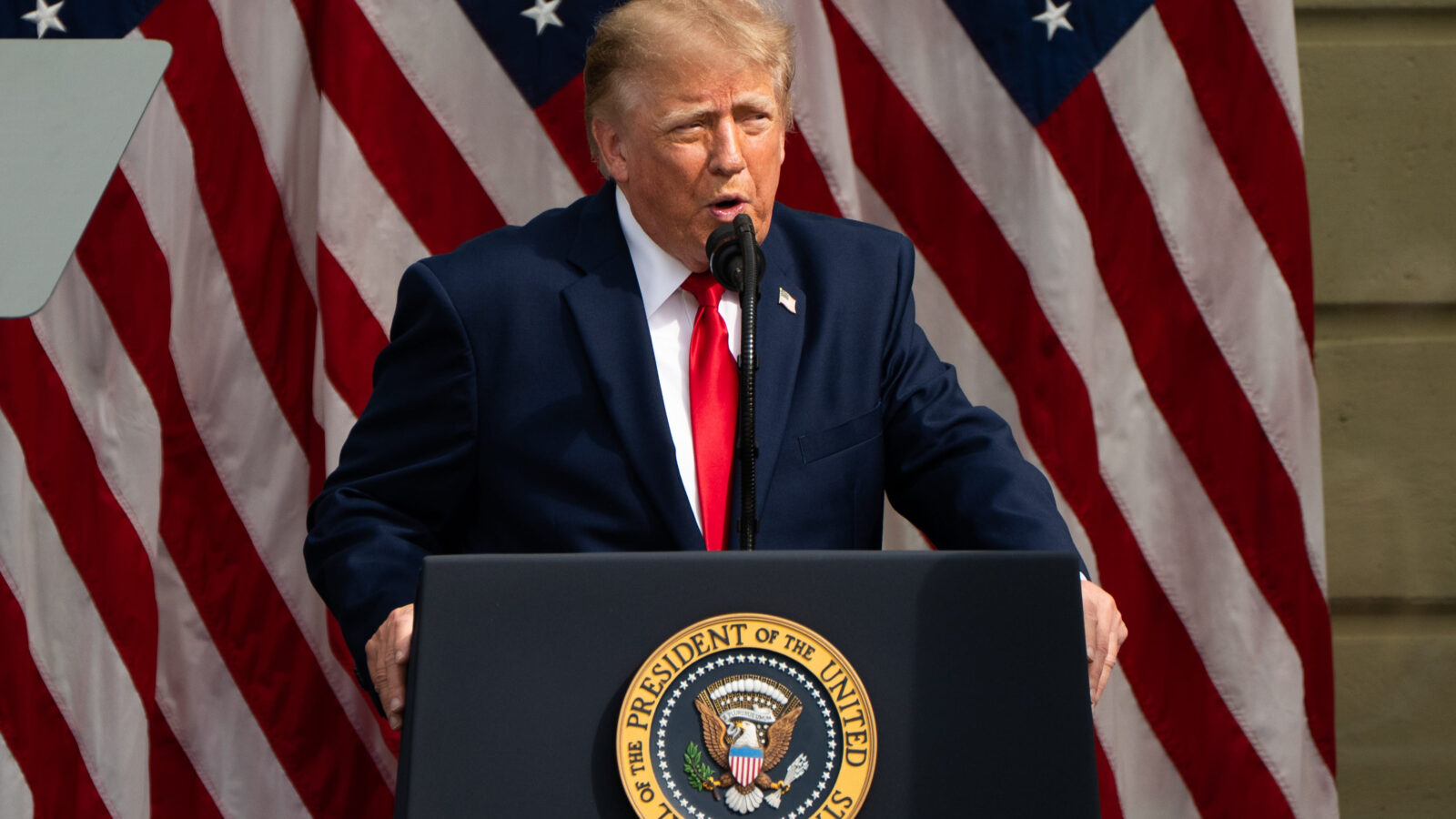
Last month, President Trump’s former teleprompter operator was ordered to pay $172,000 after using inside information to bet on words that Trump would say in his speeches.
Also last month, Kalshi stopped offering mention markets related to sports, reportedly due to a review of the contracts by the CFTC.
CME CEO Terry Duffy has been a critic of mention markets, arguing that they are susceptible to manipulation.
Markets still allowed, with more scrutiny
The letter is not a ban on mention markets.
It says that “nothing in this advisory should be read to discourage” the markets in question.
It adds that “DCMs are encouraged to engage with DMO staff in the early phases of designing such contracts to determine if any heightened manipulation risks exist, and, if so, whether they may be mitigated with appropriate controls.”
The DMO also notes that the letter “is informational and does not create new obligations, nor supersede the Act or Commission regulations thereunder.”
Four key factors
The DMO’s letter says that there are four factors in particular that could be important in determining whether a mention market is indeed readily susceptible to manipulation.
The DMO added that it expects that any mention market self-certifications would include “a thorough evaluation” of those four factors.
First, it highlighted “independent obligations constraining the controlling individual” that “may carry professional, legal, or reputational consequences disproportionate to the potential gain available in the contract.”
Next, it flagged “Susceptibility to manipulation through external pressure directed at controlling individuals.” This refers to actions of people other than the speaker to influence the results of the contract, such as by asking the speaker questions.
A third factor was “Independent verification and substantial public scrutiny.” The DMO said that “words or actions occurring in less formal or private settings or involving nonpublic persons are unlikely to be independently verifiable or subject to substantial public scrutiny.
“Likewise, a contract settling on words or actions that lack materiality or substantive impact in context, may be more likely to escape meaningful scrutiny, increasing the contract’s susceptibility to manipulation,” it added.
Finally, it said “robustness of prophylactic trading rules, surveillance, and controls” was a factor in how it viewed the contracts. The DMO said that it expects that any DCM seeking to list mention markets will have “reasonably designed to detect and deter manipulation, attempted manipulation, and the misappropriation of nonpublic information in connection with the listed contracts.”