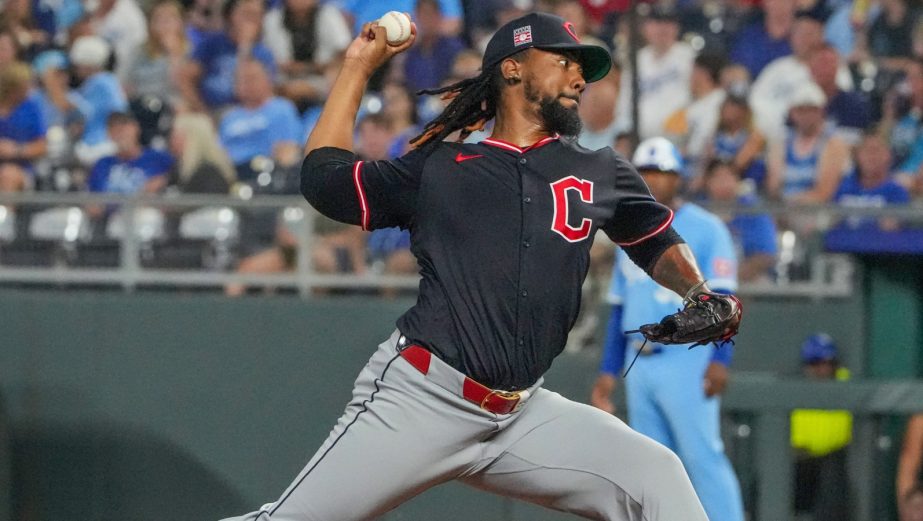

When considering the phrase “baseball betting scandal,” the Black Sox of the 1919 World Series and the gambling of Pete Rose while managing the Cincinnati Reds immediately come to mind. By the end of this month, it’s possible that Cleveland Guardians pitchers Emmanuel Clase and Luis Ortiz will similarly become part of notorious MLB history.
Clase and Ortiz go to trial Monday for allegedly rigging pitches and informing sports bettors so that bets would win. Clase is accused of throwing pre-planned pitches over a two-year period that included three baseball seasons from May 2023-May 2025. Per court documents, Clase, along with co-conspirators, crafted the scheme and recruited Ortiz, accused of throwing two rigged pitches in two games in June 2025.
There are two other defendants in the case, Robinson Vasquez Germosen and Luis Arismendy. The latter was extradited from the Dominican Republic this month after the indictment against him was unsealed. Prosecutors say the two were the liaisons between the players and bettors.
The trial may feature some familiar faces in baseball, as Guardians General Manager Mike Chernoff and assistant GM Matt Forman are on the potential witness list, as well as Bo Naylor, a former Guardians catcher now with the World Series champion Milwaukee Brewers. A first-round draft pick by Cleveland in 2018, Naylor played for the Guardians until August 2026 and caught both Clase and Ortiz. Catchers Austin Hedges and Mike Zunino are also both on the witness list.
First pro athletes to go to trial
The pitchers are the first professional athletes ensnared in ongoing illegal betting cases to go to trial. Former NBA player Jontay Porter pled guilty in July 2024 to a charge of conspiracy to commit to wire fraud after removing himself early from games so bettors could bet the “under” on his stats. Porter has not yet been sentenced and federal prosecutors previously recommended he serve up to 51 months in prison.
In cases involving betting and insider information in the NBA and NCAA, Malik Beasley is scheduled to plead guilty to charges around his play and betting, and former NBA player and coach Damon Jones has pled guilty to charges around sports betting and is set to be sentenced Jan. 7. Terry Rozier, the biggest name in the NBA scandal, is set for trial beginning Feb. 8. Several college basketball players and others involved in the NCAA scheme have also pleaded guilty.
How the Clase and Ortiz trials play out could be instructive, as the courts are traditionally more lenient to those who take a plea bargain.
Maximum sentence is lengthy
The maximum sentence possible for Clase and Ortiz would be 65 years if found guilty on all charges — wire fraud conspiracy, honest services wire fraud conspiracy, conspiracy to influence sports contests by bribery, and conspiracy to commit money laundering. Both players allegedly agreed not only to throw the rigged pitches, but also took money to do so. Federal prosecutors have in their trial arsenal video evidence of the pitches in question and what they refer to as “coded” text messages concerning them.
It’s not clear if plea bargains were offered to Clase and Ortiz with the possibility of reducing their potential sentences. As with any other case, their sentences if convicted would be determined by myriad factors, including past criminal history (it appears neither pitcher have any), how cooperative defendants are, and a judge’s discretion.
The pitchers were indicted in November 2025 and neither played during the 2026 season. They watched as their Cleveland teammates won the American League Central and came within two games of getting to the team’s first World Series since 2016. A superseding indictment, which is sealed, was filed in February. Court documents include text messages from Clase to his co-defendants that include words like “chicken” and “rooster,” which Clase’s lawyers maintain are because the messages were related to cockfighting, not baseball.
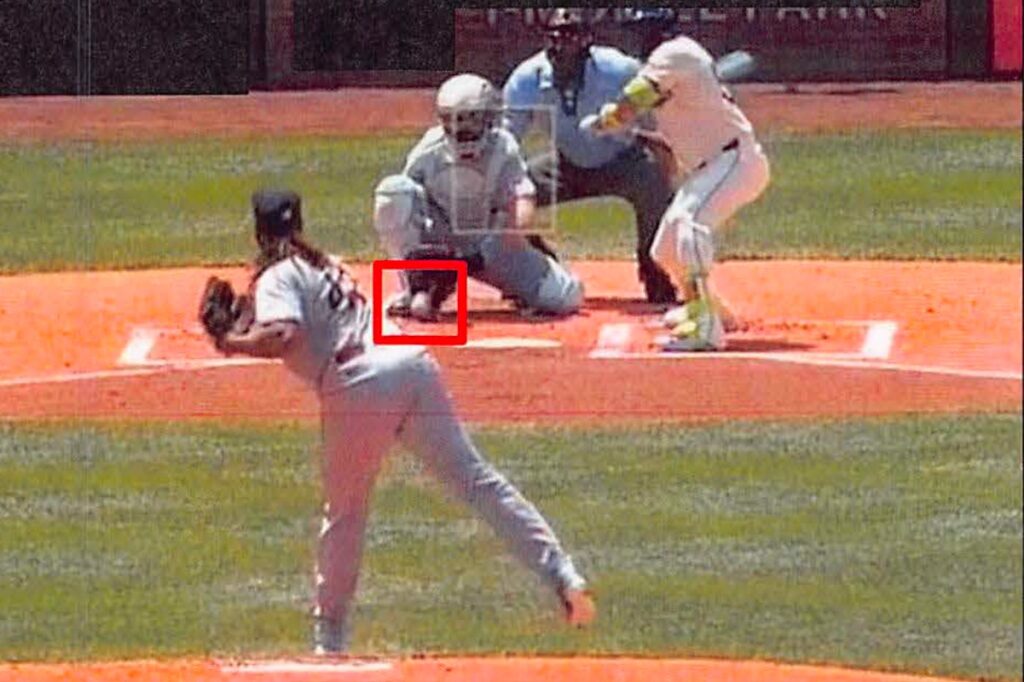
Over the life of the scheme, prosecutors allege, bettors made more than $450,000. They say they will show an increase in the amount bet on certain pitches as proof of the scheme, while defense attorneys will argue that the bets on the pitches in question are in line with normal betting activity. They will call witnesses who will speak to pitch strategy and make a case that the bets could have been made based on publicly available information.
Clase is a three-time Major League Baseball All-Star, a three-time American League saves leader, and a two-time winner of the Reliever of the Year Award. He was scheduled to earn $6 million in 2026 as part of a five-year, $20 million contract. Ortiz was a starter who would have been playing in his fifth season in MLB. He was scheduled to earn the league minimum of $782,600 in 2026.
Both are from the Dominican Republic, have been on unpaid non-disciplinary leave from MLB since March 2025, and are out on bond. They were suspended with pay by the Guardians. According to court documents, Clase was paid between $5,000-$7,000 per rigged pitch — and he also bet on some of his own pitches — and Ortiz made $12,000 total for his two rigged pitches. MLB has an open investigation into each player.
While federal prosecutors say they will focus on 18 pitches made by Clase in 17 games, court documents have stated that the government believes Clase threw rigged pitches in more than 45 games.
Second Circuit ruling affects case
Jury selection is set to start Monday at the Brooklyn courthouse of the U.S. District Court for the Eastern District of New York. On Friday, in the final pre-trial conference, the Second Circuit Court of Appeals “issued an order that denied Defendant Ortiz’s motion for an administrative stay of district court proceedings, referred Defendant Ortiz’s motion to stay to a three-Judge panel, granted the parties’ motions to seal, and denied as moot the Government’s motion to expedite.”
EDNY Judge Kiyo A. Matsumoto requested that both parties seek clarification from the Second Circuit, to discern whether the decisions will have an effect on the start of the trial.
All parties agreed to keep text communications between Ortiz and his wife private until opening statements are made or until the Second Circuit rules on Ortiz’s writ of mandamus request. A writ of mandamus is a court order that mandates a lower court or government official legally fulfill their job.
Matsumoto made a ruling on an ongoing discussion about who will provide interpreters in court when she instructed the government to provide its own interpreters for its witnesses. She denied the government the opportunity to introduce as evidence certain tax documents due to a late ask from prosecutors. But those documents, which the government could use to show financial motive by Clase, could become evidence should Clase or his attorneys mention them.
Federal prosecutors and the defendants’ lawyers estimate the trial will take about 18 days — 15 days for the prosecution to present its case and three days for the defendants.
As part of the jury selection process, potential jurors will be asked how much they know about baseball, betting, and cockfighting as the attorneys strive to find an impartial jury. Both sides submitted a list of questions they’ll ask during jury selection, including how familiar potential jurors are with baseball strategy, major sports betting platforms, and culture in the Dominican Republic, where cockfighting is common.
Clase, Ortiz not on same page
While Clase and Ortiz are being tried together, the players are not aligned. Clase pushed for a speedy trial while Ortiz requested a longer runway to court, which was denied. Lawyers for both defendants filed briefs requesting that the cases be severed, but Matsumoto denied those requests.
In the lead-up to the trial, she also denied requests to review and rule on the admissibility of some evidence ahead of the trial and motions to dismiss.
In addition, Ortiz, whose participation in the scheme was limited to two games, will argue that he was a “victim” and that he did not provide information to bettors like Clase did.