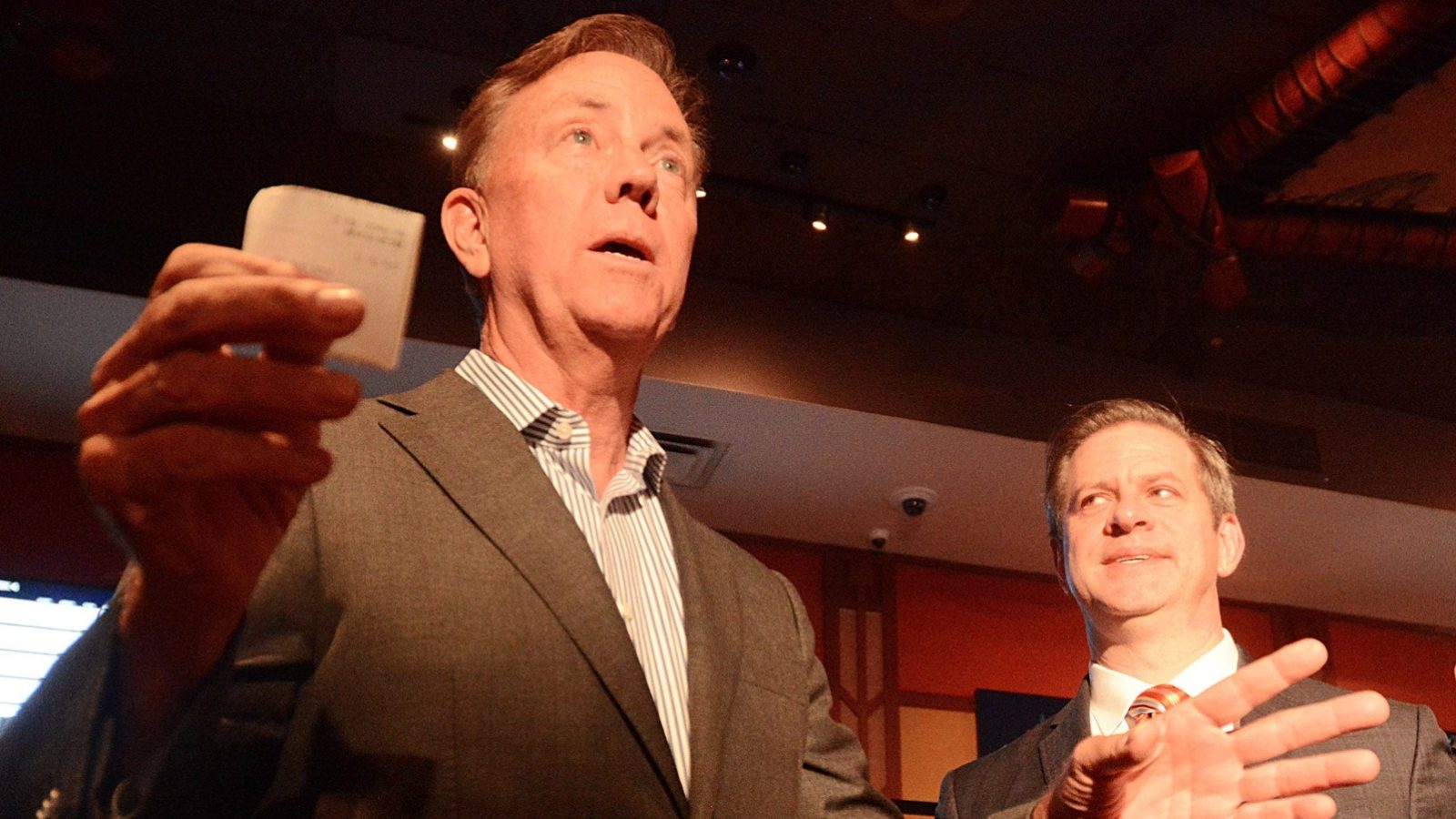
Legislation requested by Connecticut Gov. Ned Lamont would ban prediction markets from allowing users under 21 years old to purchase contracts or be targeted by advertising in in the state.
Governor’s Bill No. 5038, introduced at Lamont’s request and referred Thursday to the General Law Committee, would require prediction market providers to verify that users are at least 21 and physically present in Connecticut before allowing them to open an account. The legislation carves out exceptions for sports betting, online casinos, and traditional securities trading already regulated under state law.
Under the bill, platforms would also be required to offer a voluntary self-exclusion process, allowing users to ban themselves from placing bets or limit how much they can spend.
Advertising restrictions are also extensive. The bill prohibits ads “aimed exclusively or primarily at consumers under twenty-one years of age or at college campuses” and bars imagery, celebrity endorsements, or language “designed to appeal specifically to those under twenty-one years of age.” Platforms would be banned from advertising on media outlets or social media that “appeal primarily to consumers under twenty-one years of age.”
Violations would carry fines of up to $10,000 per offense, rising to $50,000 for “a persistent course of conduct” in violation of the law.
Before those restrictions take effect, the bill calls for a study. Beginning July 1, 2026, the commissioner of consumer protection, working with the attorney general’s office and the Mohegan and Mashantucket Pequot tribes, would examine prediction market effects on Connecticut residents. The study would look at the use of and advertising to people under 21, effects on problem gambling, and impacts on revenue. A report would be due to the governor and legislature by Feb. 1, 2027.
If passed, the legislation would take effect July 1, 2027.
Connecticut jumps on the bandwagon
The Constitution State is not alone in seeking to get ahead of the prediction market industry.
In Hawaii, lawmakers introduced House Bill 2198 in late January, which would explicitly ban prediction markets by defining them as illegal gambling under state law. The bill targets event contracts tied to sports, contests, people, politics, catastrophes, and death.
Meanwhile, Iowa legislators have taken a different approach. Senate File 2085 would regulate, rather than ban, prediction markets, requiring platforms to obtain a permit through the state Department of Revenue. The initial permit fee would be $10 million, with annual renewals costing $100,000.
That bill would impose a 20% tax on adjusted revenue from contracts related to sporting activities, elections, legislative actions, and economic indicators.