In the early going of the new year, a state in which the tribes and the state quietly legalized retail sports betting in 2021 looks to be the early favorite to add a digital piece. But the expectation that any state currently without wagering will legalize is bleak.
Wisconsin, where the Oneida Tribe became the first to offer in-person betting, is among those backing a bill that would expand Indian Country’s monopoly to include statewide mobile betting.
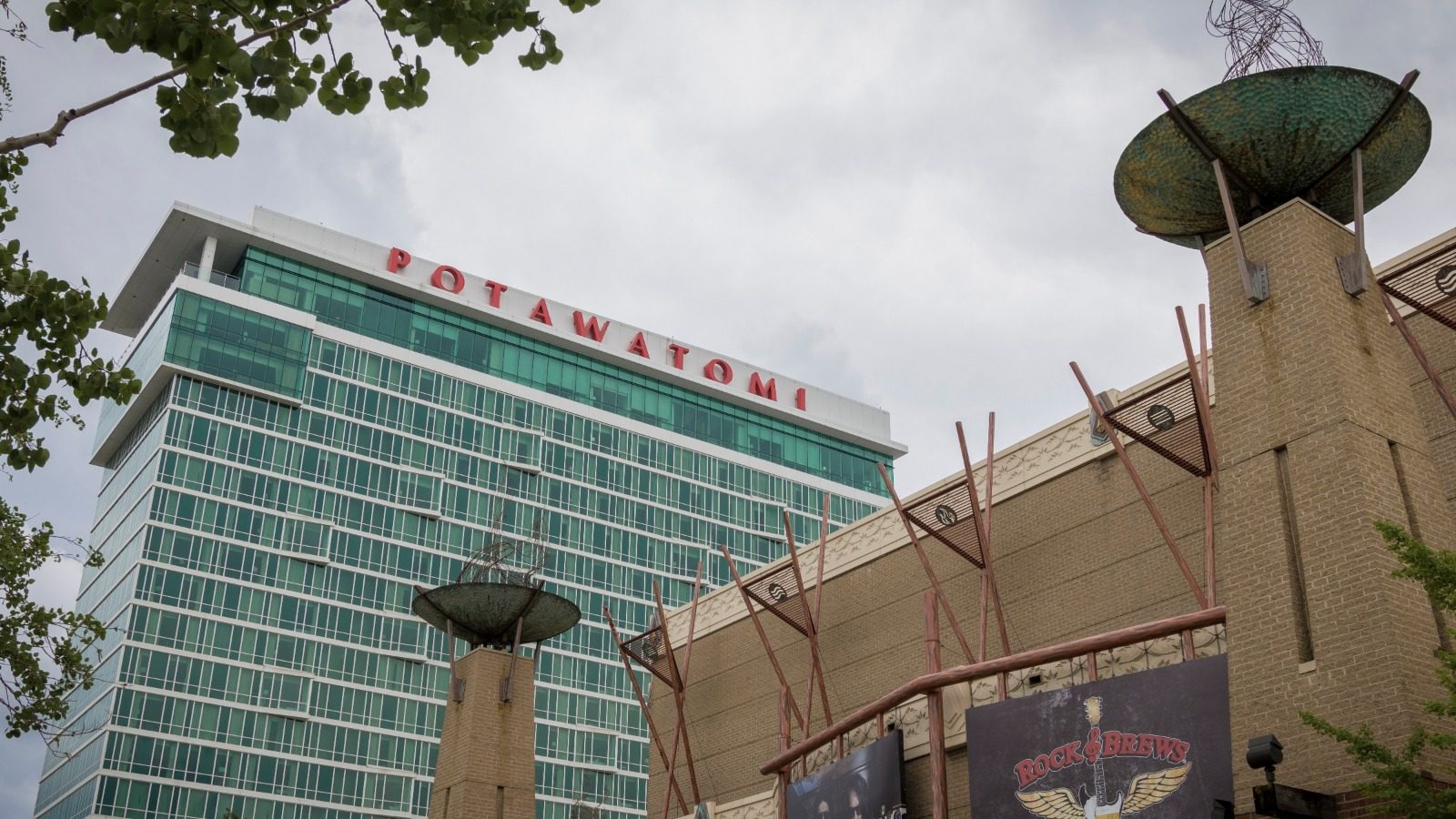
Last fall, the tribes pushed forward an expansion bill, only to be met by opposition from the commercial industry. In November, the Senate Committee on Agriculture and Revenue recommended SB 592 for passage despite industry pushback, but tribal leaders opted instead to pull the bill, though Potawatomi Hotel & Casino CEO and General Manager Dominic Ortiz said in November that Wisconsin Indian Country was “moving the vote to January.”
On Dec. 30, Assembly Speaker Robin Vos told the Milwaukee Journal-Sentinel that he expects a vote on the bill and that Gov. Tony Evers would “likely” sign it, he’s not sure if or how it will move through the Senate. The session opens Tuesday.
In the bigger picture, there doesn’t appear to be momentum in any state for legalization. Citizens analyst Jordan Bender wrote in a note earlier this month that he and his team have a “bearish view as we model no new states legalizing sports betting or iGaming.” Bender also called the legislative process unpredictable, pointing to North Carolina’s last-minute legalization in 2023, the new Illinois per-wager tax and city of Chicago tax, both of which were slipped into budgets with little warning, and Missouri’s near miss in legalizing in 2024. Missouri’s fate was decided by majority vote of its statewide constituents, just barely, during the presidential election cycle that year.
California, Texas no-gos in ’26
While operators continue to point to California and Texas as the next golden geese in sports betting, it seems highly unlikely that California will legalize in 2026, and impossible that Texas will, as the legislature only meets in odd-numbered years. Beyond that, Lt. Gov. Dan Patrick remains staunchly opposed to a gambling expansion — until he has a Republican consensus in support. This, despite polling showing that those in Texas want the right to bet.
In California, Indian Country is driving the process, which must happen by ballot initiative. There would be an opportunity with the mid-term elections in November, but no initiative has yet been filed. In addition, the tribes are plenty busy working to keep prediction markets out of California, pushing for enforcement of an attorney general’s opinion that daily fantasy sports are illegal in California, and appealing a lawsuit against the state’s card rooms.
In two non-legal states, Utah and Idaho, there is no indication that lawmakers will change their negative stance.
Not much buzz in these six states
Of the other seven states that have no form of legal sports betting, industry eyes will be fixed on Georgia and Minnesota, though as we saw last year in Hawaii (and as Bender pointed out in 2023), wagering proposals can move in the most unexpected places. Here’s a look at what to expect:
Alabama: There is limited gambling currently available in Alabama, and no sports betting. But the Poarch Band of Creek Indians operate three Las Vegas-style casinos, and retail parimutuel wagering (along with historic horse racing machines) is available. Alabama lawmakers have been trying to legalize everything else from lottery to digital sports betting for several years with no success. The legislative session opens Tuesday, and so far, no gambling bills have been filed. Last year saw one effort for a sports betting bill tied to Name, Image, and Likeness (NIL) initiatives, with a portion of the 10% tax earmarked for state NIL programs. There’s been no buzz about a bill coming in 2026. Should something materialize, expect the Poarch Creeks to be heavily involved.
Alaska: Lawmakers in this state have bandied about the idea of legal sports betting here and there, but with no key champion or plan. No bills have been filed, and the session opens Jan. 20.
Georgia: It’s looking as murky as ever for legal sports betting in Georgia. Remember, this is the state in which a deal was set in 2021 before Senate Democrats pulled their votes over support (or lack thereof) for a voting-rights bill. Since then, there has been no consensus, and the state’s two biggest legal betting champions are gone — Rep. Marcus Wiedower to the private sector and Sen. Brandon Beach to the Trump Administration.
No new bills have been filed, and Republican state Sen. Clint Dixon told the Atlanta Journal Constitution in December that because it’s an election year, any controversial issue will be hard to move.
“Unless one of the statewide folks thinks that’s a good issue to run on, I don’t know if we’ll gather much ground with it,” Dixon told the newspaper. “Maybe in (2027). But who knows what will happen?”
Georgia also has a heavy anti-gambling lobby, and even legislative study committees have not offered a clear opinion on how or if lawmakers should consider moving forward when the session opens Monday.
Hawaii: It appears the groundwork is set for a continued discussion about legalizing online sports betting, as well as building retail casinos. The two legal sports betting bills that gained the most traction in 2025 will carry over to the 2026 session. Also in early December, several of the bills addressing specifics, including the creation of a new agency, granting 20-year casino licenses in the New Aloha Stadium Entertainment District and Hawaii Convention Center, and establishing a lottery commission, were assigned to House and Senate committees for the upcoming session.
The 2026 session opens Jan. 21, and lawmakers still have plenty to work out before any gambling bill could become law. Key among the issues is which state agency would regulate — or if a new agency must be created. When a conference committee failed to find consensus on the two bills that made it through the House and Senate last year, House sponsor Rep. Daniel Holt promised he’d keep at it.
Minnesota: The legislative session doesn’t open until Feb. 17, so it’s a little early for buzz or action, but SF 757, a bill that has support of all the myriad stakeholders, will carry over into the 2026 session. Last year, stakeholders built bridges and say they have solid backing for legalization in 2026, though they can’t control the political atmosphere. As in Georgia, the politics of reelection — or a bid for higher office — could make it tough to move any key issue.
The process in Minnesota is different than in most states. In general, bills must move through two, and maybe three committees, before being sent to a chamber floor. But in Minnesota, that number can be as high as six, which has created frustration in the past. That said, based on comments from lawmakers and tribes at the Indian Gaming Association mid-year conference in September, stakeholders are on the same page for the first time, which is no small feat.
Oklahoma: Expect Oklahoma’s tribes to continue to wait out Gov. Kevin Stitt, who term-limits out next year. The governor and the tribes have long had a contentious relationship, and Stitt has made several proposals that would encroach on tribal exclusivity, including one that would have given the NBA Oklahoma City Thunder access to a license. The team itself in October floated a similar proposal that would have sent the franchise 0.25% of handle. That saw no traction, and since Stitt has said that he will veto any bills that give the tribes exclusivity, things will likely remain at a standstill in the second biggest Indian gaming state in the U.S. The session begins on Feb. 2.
South Carolina: The state is the eastern edge of a group of three — South Carolina, Georgia, and Alabama, that don’t have any form of legal sports betting, and the three collectively appear to have a cultural aversion to legalizing. In South Carolina, lawmakers have been met with heavy opposition from religious and moral groups. There is a state lottery and some charitable gaming, but legal sports betting has been a heavy lift. No bills have been filed, and no politicians have indicated a willingness to carry the issue. The legislative session opens Tuesday.