In the days following the repeal of the Professional and Amateur Sports Protection Act (PASPA), there was no shortage of predictions regarding the impact of the new legalized sports betting marketplace.
Underground and offshore bookmakers will be obsolete.
Players shaving points will be negated by transparency.
The mainstream media will embrace sports betting and help erase the public stigma surrounding it.
Well, at least the first half of the media forecast appears accurate.
Major media outlets cozying up to sports betting made perfect sense, since there was so much prior interest in the topic, and now it was legal and there was a revenue stream behind it.
But a perhaps surprising twist is the degree to which the infusion of new betting content into the sports media sphere has receded less than eight years into legalization.
Not long after the ink on all the PASPA legal briefs had dried, the major networks were rolling out highly promoted shows devoted to sports betting, and there were companion “betcasts” for primetime games left and right. Regional networks and radio stations across the country jumped aboard as well.
Now, many revamped lineups and much consolidation later, just a fraction of all that once bountiful mainstream sports betting content remains.
So let’s examine the upheaval of this briefly symbiotic relationship and what the future holds for the sports betting media.
The post-PASPA glory days
After PASPA was overturned in May 2018, sports betting talk quickly migrated from whispers between friends at the local corner bar to the realm of corporate media.
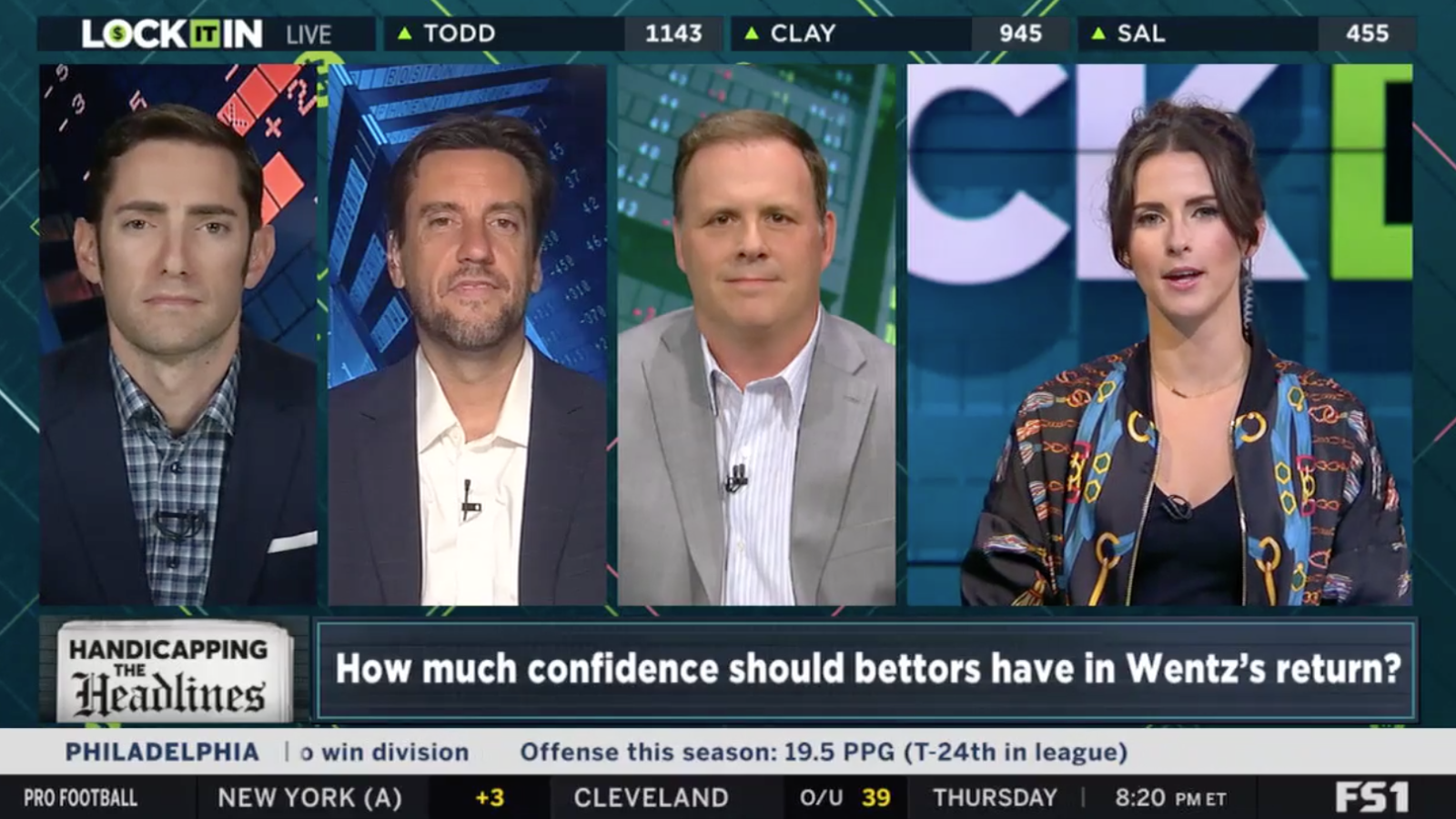
FOX Sports rolled out Lock it In during the fall of 2018. ESPN responded with Daily Wager a few months later and soon built the show a brand new Las Vegas studio. An entire regional network rebranded to Bally Sports.
The major national sportsbooks also devoted a large portion of their marketing budget toward the television and radio networks gladly discussing odds and underdogs.
“The books were spending a crazy amount of dollars advertising on all the shows. They wanted to convert all the viewers or listeners into customers,” said Sam Panayotovich, betting analyst for FOX Sports who regularly appears on the podcast Bear Bets.
The networks and advertisers were all trying to reach someone like Jon S from Daytona Beach, Florida, a recreational bettor receptive to all the new media insight just a click away.
“It was great to get these types of shows, all of a sudden so much of this info became at your disposal,” Jon S told InGame.
Traditional sports media offerings were no longer satisfying to the growing population of bettors.
“I don’t tune in to SportsCenter to hear sports betting talk, I want my content to be specialized, betting related,” Jon S said. “That is why I listen to VSiN or Betting Pros.”
Landing those with a similar mindset and being one of the first in the emerging market added up to the rationale behind members of the Musburger family creating the aforementioned VSiN (Vegas Stats and Information Network).
“Our goal has always been to make sure you learn something you didn’t know with every segment we produce,” said Bill Adee, VSiN’s CEO.
Having a strategy from the onset of “being an alternative to normal sports radio” according to Adee and then sticking to it has provided the network with something unique among betting-focused media: long-term success.
The network’s presence has increased in recent years through SiriusXM, YouTubeTV, and spots on terrestrial radio stations.
“When we launched on Super Bowl Sunday in 2017, we had a clear North Star: Be the most credible source of betting information in the industry,” said Adee. “And as we just marked our 10th Super Bowl, that hasn’t changed. Following that North Star helped us make the right decisions on hosts, writers, producers — everyone connected to VSiN. Even investors and advertisers.”
Programming and parlaying
While VSiN is still going strong, elsewhere around the dial, particularly as you move more toward the sports media mainstream, only a fraction of the betting programming still exists.
The Worldwide Leader has buried or shifted over to the paywalled ESPN+ app most of its sports betting programming that remains.
The BetMGM network that carved out a large following was consolidated this past December by Audacy and Cumulus Media.
As a former host of a popular BetMGM show, Panayotovich, who has been part of the sports betting content scene since its inception, saw firsthand the evolution of this programming.
After a stint at VSiN during its inaugural days, he helped launch a show for NESN in Boston where he planned on using his sports betting acumen and journalism skills. What he soon encountered is, he believes, a fundamental reason television sports betting programming has started to dissipate.
“At NESN we were sponsored by FanDuel and they eventually wanted us to tie our Red Sox and Bruins coverage with hosts picking their favorite three-leg parlays and us talking about the types of bets they wanted to push.”
This type of interjection into content from the sales team was a harbinger of things to come. The books, as primary sponsors, no longer felt they were getting enough bang for their advertising buck just trying to lure in new users.
Changing lanes
DraftKings and FanDuel reached the point of diminishing returns for their television and radio ads. Even though betting interest was on the rise, before long there weren’t as many new legal betting states coming online, and those folks who were interested in betting had already signed up for all the accounts they wanted.
“The shows just stopped getting the type of traction the books wanted, they weren’t getting enough new customers,” said Panayotovich.
The industry titans made a pivot from advertising on others’ shows to expanding internally with the ubiquitous DraftKings Network and FanDuel Network.
Then came the strategy of making social media influencers their new partners. They come cheaper than television ads and in many cases attract more eyeballs — particularly those who can get the attention of people outside the core demographic of sports bettors.
Look at Fanatics’ recent campaign featuring Kendall Jenner and her $1 million Super Bowl wager. The highly visible influencer and her nearly 300 million social media followers helped bring a “major spike” in downloads for their app.
And whether Jenner knows what “-110” means probably doesn’t matter.
“The books as advertisers have clearly changed,”said Panayotovich. “Instead of creating sports betting content that looks to get an audience, they’re going to content that already has a big audience.”
Along similar lines, after the failed Barstool Sports and Penn Entertainment marriage, DraftKings quickly solidified a partnership with Barstool and latched on to founder Dave Portnoy’s valuable demographic of younger males.
The DraftKings Network, which had a short dalliance with VSiN before the latter went back into the hands of the Musburger family, now sponsors sports podcasts like All the Smoke and The GM Shuffle.
Likewise over at FanDuel Network, which is now associated with Bill Simmons’ The Ringer.
They’re popular shows, for sure, but in a sign of an unexpected transformation, none of them focus on sports betting. What these programs do, though, is bring the books right to where the consumers are: on their phones.
Content is king
None of this means the days of sports betting shows on television and radio are completely over. Think about how many times those traditional outlets have had their obituaries written only to keep surviving.
Nonetheless, there’s no denying that the prime real estate for sports betting media is now podcasts, digital networks, YouTube, and social media accounts.
Distribution is obviously important, but the other part of the equation is producing content that satisfies the core audience of sports bettors. That is why understanding the wants and needs of a consumer like Jon S is important for those creating content, regardless of where it is available.
“I decide the sports betting media I consume based on transparency,” said Jon S. “Are you keeping track of bankroll, wins, losses, all of that, or are you only posting your wins?”
While attractive influencers have become a new trend with sports betting content and sometimes lead to a quick uptick in attention, there is the risk of turning audience members like Jon S off. The same goes for messages that emphasize betting a little with the hopes of winning a lot.
“I hate the shows that talk about the six- or seven-leg parlays. It’s almost like fake advertising. They try to entice the novice bettor. There is a reason a majority of sportsbooks make money on parlays. They feed off our greed and impulsiveness. A seasoned sports bettor will stay away from parlays and focus on bets with better odds.”
Through his years at VSiN, Adee has found that the loyal audience of sports bettors will keep coming back if the education component of wagering remains consistent and is balanced against other related topics of conversation.
“We certainly want to be entertaining as well as informative in what we produce,” Adee said. “We’re fortunate to be based in Las Vegas. So if we stray from sports betting, it tends to be around the topics of other forms of gambling and tips on the Vegas lifestyle.”
Panayotovich believes this type of structure is the key to producing quality sports betting content and will help draw an audience.
“I think sports betting shows need three areas to be balanced. First is education, give the audience the how and why of betting. Then there is information, tell them what you know, who is injured or expected to play. And then you have to make it entertaining to keep the audience.”
Adee also believes news coverage of the possible moves on the horizon within the legalized sports betting world are an asset to his network and other betting outlets.
“The fact that there are some big states that haven’t yet legalized sports betting, and now with the proliferation of prediction markets, we don’t see a ceiling,” he said. “More of the mainstream media discussing all that brings more awareness, and when those viewers and listeners are ready to increase their knowledge, VSiN is here for them.”