
Taking a page out of the Massachusetts playbook, state officials in Michigan Tuesday sued prediction platform Kalshi in state court. On Michigan’s Ingham County Court website, only the notice of filing, not the actual filing itself, was available.
Michigan’s gaming control board has not sent out a cease-and-desist letter to Kalshi or any other prediction market operator, but in October sent a letter to state-licensed gambling operators warning them from offering or becoming involved with prediction markets.
Michigan becomes the second state to sue Kalshi in court without any other direct action toward the company, and the third overall to go the state-court route. Before Massachusetts sued the company in September, all the other cases involved Kalshi suing states in federal court after cease-and-desist letters were sent. There is a legal school of thought that filing in state court is a more advantageous forum for states because prediction market cases in part pit the idea of federalism vs. states’ rights.
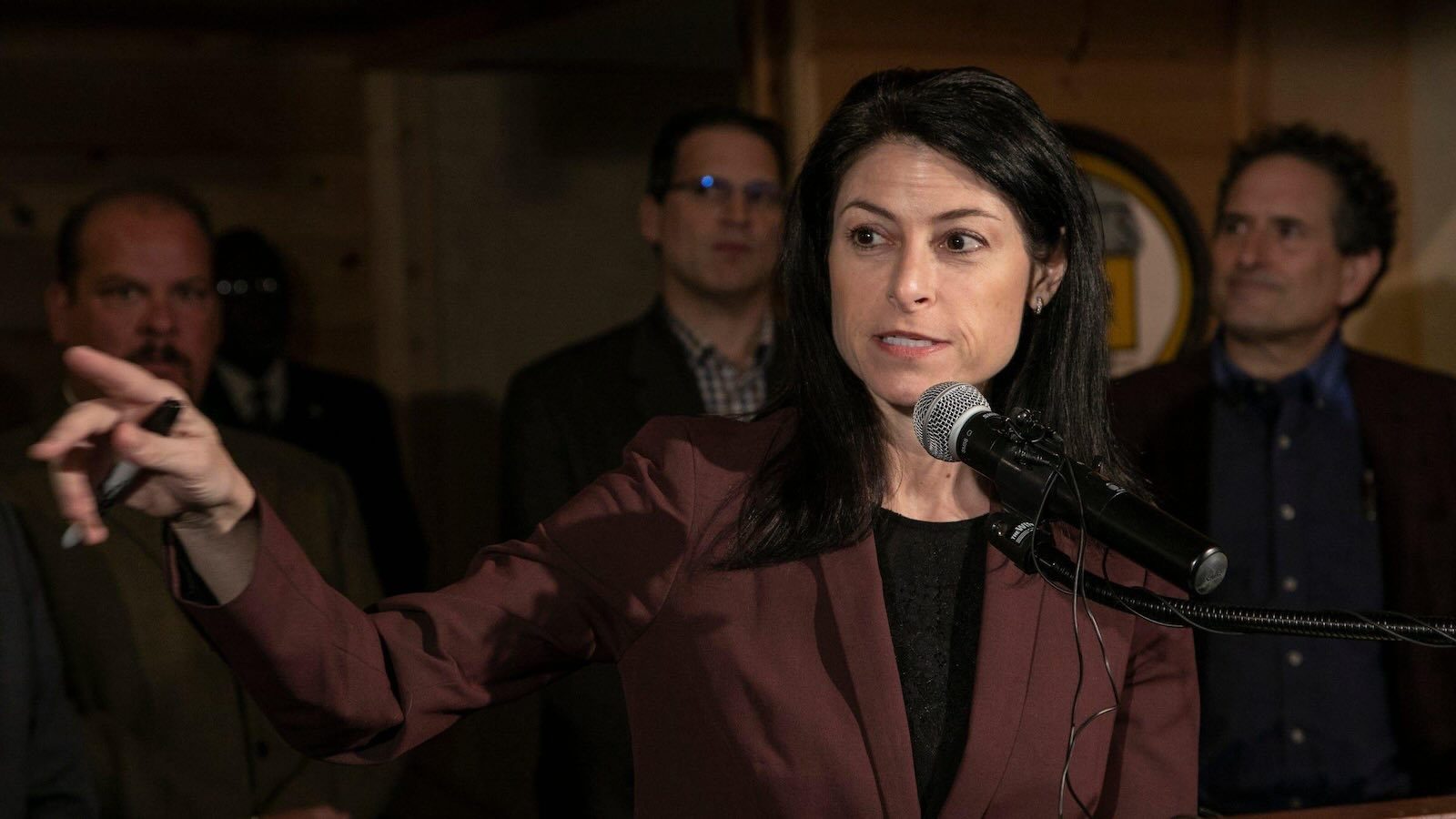
The case was filed by Michigan Attorney General Dana Nessel. It was assigned to Judge Rosemarie Aquilina, who has been on the bench in the 30th Circuit Court for Ingham County since November 2008.
U.S. states and tribes throughout the country are tied up in court with Kalshi and other prediction platforms since Kalshi sued for and won the right to offer political contracts in the fall of 2024, and in January 2025 began offering sports event contracts. Those contracts, state sports betting regulators, say mimic online sports betting so closely that they should be considered gambling, and regulated by states. But prediction platforms are regulated by the federal Commodity Futures Trading Commission (CFTC) and are currently considered derivatives, or financial tools.
Courts ban platforms in some states
Kalshi is now in court with 10 states, as well as Indian tribes in California and Wisconsin. After it appeared that Kalshi was winning first-round battles with judges allowing it to continue to operate while cases were being considered, sentiment has swung in the other direction. A Nevada judge banned Kalshi and Crypto.com from operating in that state, and both platforms are no longer available to state residents. Polymarket U.S., while remaining in invitation-only beta mode, also exited the state last month.
Judges in Maryland and New York have also sided with the states, but the plaintiffs agreed to allow them to continue until the cases are resolved.
In Massachusetts, Attorney General Andrea Joy Campbell argues that Kalshi is not beholden to the state’s stringent consumer protections, including advertising restrictions and responsible and problem gambling programs. Kalshi also does not pay taxes to the commonwealth, or any other state. The company appealed the case to federal court, but that judge ruled that the case must be heard in state court. Since then, Suffolk County Superior Court Judge Christopher Barry-Smith granted an injunction to keep the platform from operating, but both sides are haggling over details and it remains live.
In Nevada, after the Ninth Circuit denied Kalshi a stay, the Nevada Gaming Control Board seized the opportunity to sue it and Polymarket in state court. Kalshi and Polymarket then appealed to a federal district court to have the cases moved, but Monday Judge Miranda Du of the U.S. District Court for Nevada rejected that argument, sending those cases back to state court.