Outgoing South Carolina Gov. Henry McMaster took office 16 months before the Supreme Court overturned the Professional and Amateur Sports Protection Act in May 2018. And during his nearly 10-year tenure, legal sports betting or gambling legislation has repeatedly died in the state legislature. McMaster, who has reached his term limit and won’t be on the November ballot, staunchly opposes any form of legal gambling.
As time has gone on, state lawmakers have had less and less motivation to move bills they believed would be vetoed.
With the state primary set for Tuesday, gambling companies will be watching closely. None of the 11 candidates have publicly said they favor legal sports betting — or any other kind of gambling — but at least a handful are not vehemently opposed, which would open a window for change.
Prediction markets are already offering de facto sports betting in nearly every U.S. state, including South Carolina. They’re also offering election markets, so South Carolinians this week can wager not just on which of their neighbors — North Carolina or Georgia — might win the College World Series, but on which gubernatorial candidates will advance to the general election.
Earlier this year, the rise of prediction markets muddied the waters during a state Senate committee hearing on a legal sports betting bill. The Labor, Commerce, and Industry Committee in February laid over a proposal after hearing testimony that was as much about prediction markets as sports betting.
During the hearing, Sen. Sean Bennett and FanDuel Director of Government Relations Lou Trombetta had an intense discussion about the sports event contracts offered by prediction markets. Trombetta called the markets “divisive” and said his company “prefer[s] a legal market” and wants to “follow all the state laws we can,” but he also told the committee that his company offers its own prediction market in the state. The revelation only added to committee members’ confusion.
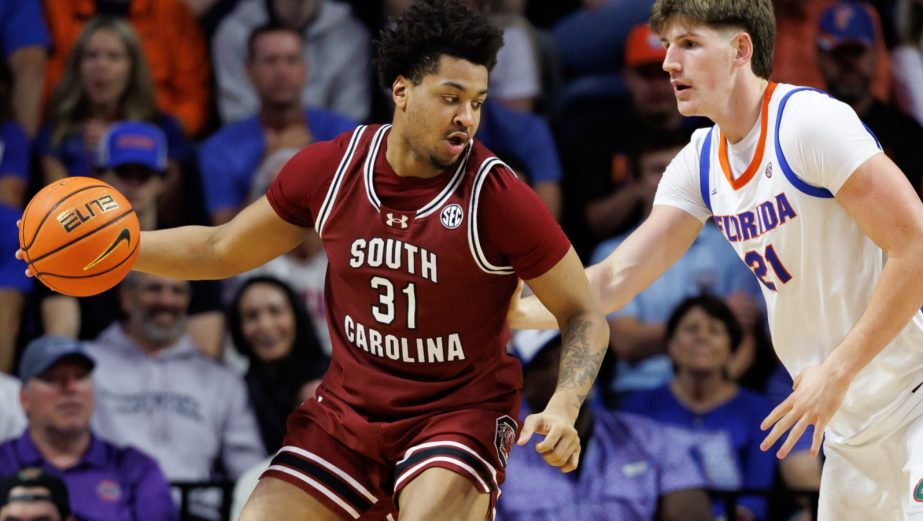
What comes next in South Carolina is unknown — though those trading on Kalshi heavily favor Lt. Gov. Pamela Evette to win the Republican primary, which differs from traditional polling that projects Attorney General Alan Wilson as the winner. Kalshi users heavily favor former pro basketball player and current state Rep. Jermaine Johnson to win the Democratic primary.
Banned betting island
South Carolina, along with border state Georgia and its neighbor, Alabama, form a betting-banned island of sorts in the Southeast. In fact, Georgia and South Carolina are the only states on the Eastern Seaboard that have not yet legalized. In the southern part of the U.S., those states along with Alabama, Oklahoma, and Texas prohibit online sports betting.
North Carolina allows online sports betting and has four land-based tribal casinos. South Carolina’s biggest city, Columbia, is less than two hours from the border, and its second-biggest city, Greenville, is 50 minutes to the border and 90 from the Tennessee border. And about 30% of the state’s population lives in the northern “Upstate” region (Greenville-Spartanburg-Anderson).
The only form of legal gambling in South Carolina is the state-run lottery.
A look at some candidates, stances
South Carolina, long a Republican stronghold, will almost certainly elect another GOP governor. Here’s a look at the South Carolina candidates and which of them could change the equation:
Republicans
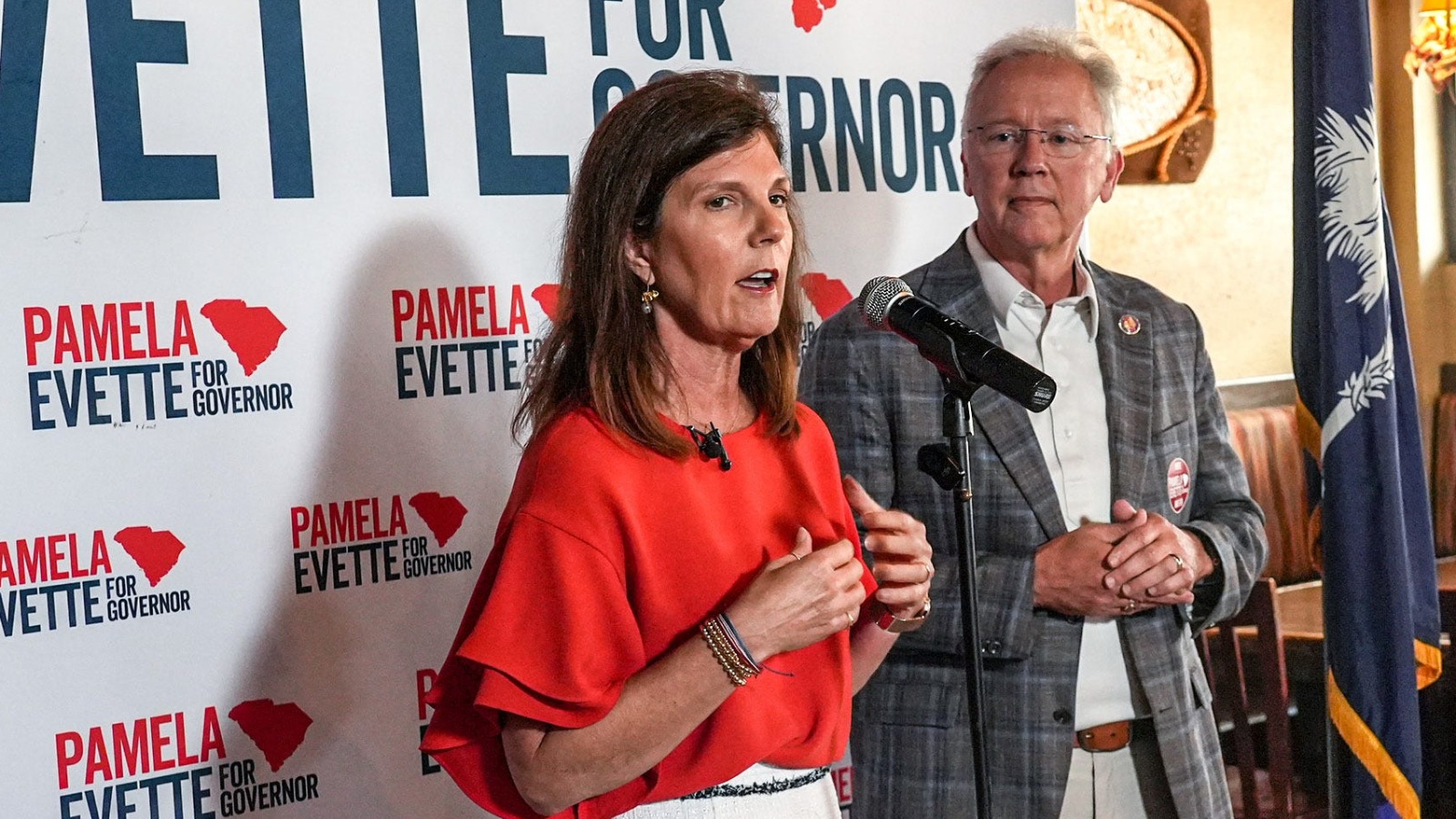
Pamela Evette: Endorsed this month by President Donald Trump, Evette is currently the lieutenant governor. She has not made her stance on any sort of gambling clear, saying instead that she would want to hear from voters before making a decision, according to the Greenville News. Trump, a former casino owner whose family is invested in prediction markets, is generally a supporter of gambling.
Ralph Norman: Currently polling fourth among Republican candidates, Norman, a South Carolina congressman, is staunchly opposed to allowing brick-and-mortar casinos, saying they attract crime. He told multiple media outlets that he would veto any casino legislation, and while he hasn’t taken a public stance on online sports betting, it seems a fair bet that he would be opposed.
Rom Reddy: Described as a millionaire activist, Reddy does not have any political experience and has not weighed in publicly with his stance on gambling. Reddy is polling third, per The State.
Alan Wilson: Wilson, too, says he would want voter feedback. But per the Greenville News, he pointed to faith-based and law enforcement input as crucial to a decision, which likely does not bode well for legal sports betting.
Democrats
Jermaine Johnson: The son of a gambling addict, Johnson isn’t a sure no on gambling, but according to the South Carolina Gazette, he would insist on stringent problem and responsible gambling guardrails.
Mullins McLeod: McLeod, who is vehemently opposed to brick-and-mortar casinos in South Carolina, has not publicly commented on legal sports betting. But given his opposition to casinos, it’s likely he would channel more of the McMaster school of thought if he gets to the governor’s mansion. McLeod is polling a distant third.
Billy Webster: A successful businessman with more than 20 Bojangles chicken restaurants in South Carolina, Webster previously worked in Washington, D.C., under both the Bush and Clinton administrations. He’s polling second behind Johnson ahead of election day. On his website, he says he’s running to “break what needs breaking, to fix what needs fixing,” with healthcare as a priority. He has not publicly addressed gambling.