Utah’s attorney general has sued Kalshi in state court, alongside one of its biggest market makers, seeking an order for the prediction market to stop offering sports, election, culture, and “mention” markets in the state.
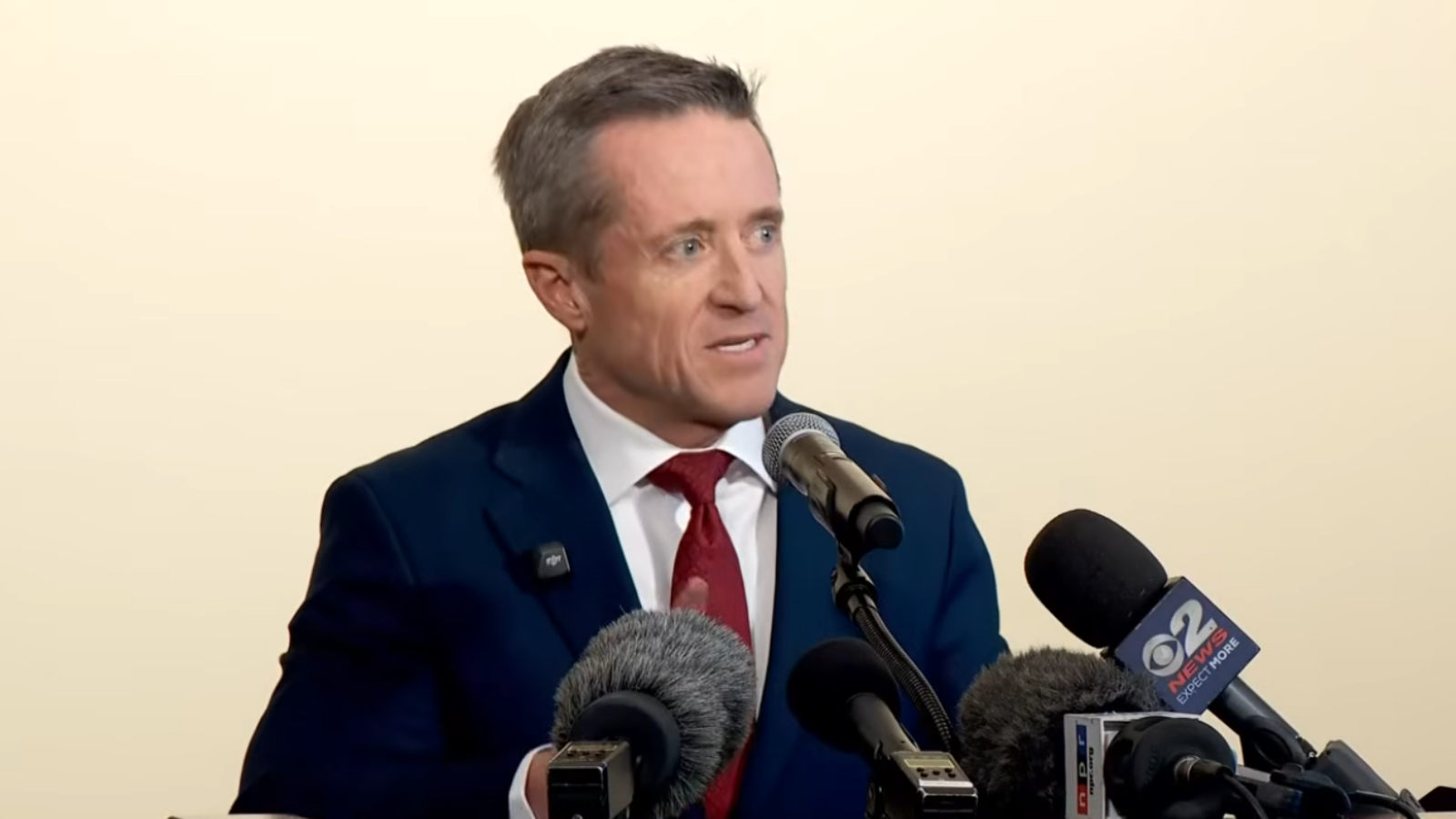
Utah Attorney General Derek Brown filed the lawsuit in Utah’s Third Judicial District Court Tuesday. The lawsuit was first reported by The Salt Lake Tribune.
The lawsuit followed a decision in August by the U.S. District Court for the District of Utah that the state is allowed to enforce its ban on gambling against Kalshi’s sports contracts.
“After that decision by a federal court, the bets kept on coming,” Brown said in a Tuesday press conference.
State wants Kalshi geofence
Utah is one of only two states, alongside Hawaii, where state law allows for no gambling whatsoever.
The Utah Code criminalizes activities related to gambling, including “participating in gambling,” “permitting gambling,” “online gambling promotion,” “general gambling promotion,” and “gambling fraud.” However, the state is not pursuing criminal charges at this point. Instead, it is asking for an order for Kalshi to geofence Utah, and to repay any money it received from bets that are in violation of Utah gambling laws.
If successful, Utah would be the fourth state to block Kalshi from offering sports contracts within its borders. Kalshi geofenced Nevada, Michigan, and Washington following state court rulings in those three states. A state court also granted an injunction requiring Kalshi to geofence Massachusetts, but that was appealed and is not yet in effect.
Exchange, Kalshi Trading, Susquehanna sued
Utah sued the exchange KalshiEx as well as its market-making arm Kalshi Trading, which it said acts “like a traditional sportsbook,” as well as Susquehanna International Group, which is one of the largest market makers on Kalshi.
It said that KalshiEx “participates in the same way the manager of a back-alley gambling den (or cardroom) participates in gambling: by hosting and facilitating the gambling events and by taking a percentage fee (or ‘rake’) of amounts gambled.”
The complaint says that Kalshi “intentionally and knowingly entered the Utah market and offered its gambling bets to the Utah public.”
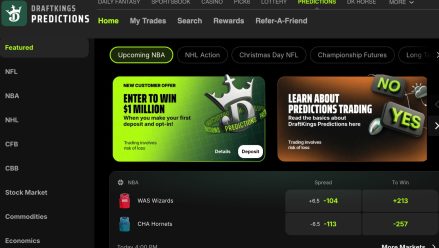
It added that Kalshi’s bets are “indistinguishable” from those offered on a sportsbook, as it offers trades on player props, spreads and parlays, as well as game winners.
How much do Utah Kalshi users trade?
The complaint noted that in a Feb. 25 court filing during the federal lawsuit between Kalshi and Utah, Kalshi Head of Markets Xavier Sottile testified that as of the date of the filing there were 55,819 registered accounts on Kalshi with Utah addresses, and 32,940 of those accounts had completed sign-up and were eligible to trade. He added that these accounts had more than $5 million worth of open positions on Kalshi markets.
For comparison, Hawaii (pop. 1.4 million), which has less than half of Utah’s population (pop. 3.5 million), has about 100,000 registered users.
At the time, the state notes, Kalshi’s open interest was $451.29 million, meaning Utah made up 1.1% of the total open interest.
Over the course of Kalshi’s history, its volume exceeds $300 billion, the state noted.
“If this share of gambling from Utah accounts on Kalshi has remained constant over Kalshi’s lifetime, that means that as of October 19, 2026 there has been more than 3,059,160,000 Illegal Wagers placed by Utah accounts,” the complaint said, counting each contract traded as an individual wager. “Based on the rapid increase in volume on the Kalshi platform, the actual volume attributable to Utah accounts is likely much greater.”
The complaint also claimed that Kalshi made between $30,591,600 and $61,183,200 in fees from Illegal wagers placed by accounts with Utah addresses. However, those figures appear to be based on an assumption that “the fees Kalshi takes range from $0.01 to $0.02 per [contract].” In reality, Kalshi’s fees range from $0.0007 to $0.0175, and over the course of its history Kalshi’s average fee rate is around $0.0075. Assuming the estimate of the total amount wagered from Utah is correct, Kalshi’s fees from Utah are likely closer to $22.7 million.
The complaint also notes that Kalshi has advertised in Utah, including ads that noted it were available “anywhere in the U.S.”
“In fact, in February 2026, it was reported by the Daily Universe, a newspaper for Brigham Young University, that someone from Kalshi had entered the University’s private campus without permission to film an advertisement,” the complaint adds.
Kalshi may try to move suit to federal court
If the case follows the pattern of other state lawsuits, Kalshi may attempt to have the case moved to federal court.
However, none of its attempts to do so have been successful so far. Kalshi has appealed state court cases to federal courts in multiple states, including Connecticut, Massachusetts, Michigan, Nevada, New York, Rhode Island, and Wisconsin. Some, including Massachusetts, Michigan, and Nevada have kicked the appeals back to the states.
A move to federal court generally requires a higher bar than it would take for Kalshi to receive an injunction protecting it from state law, which the district court already denied the business.