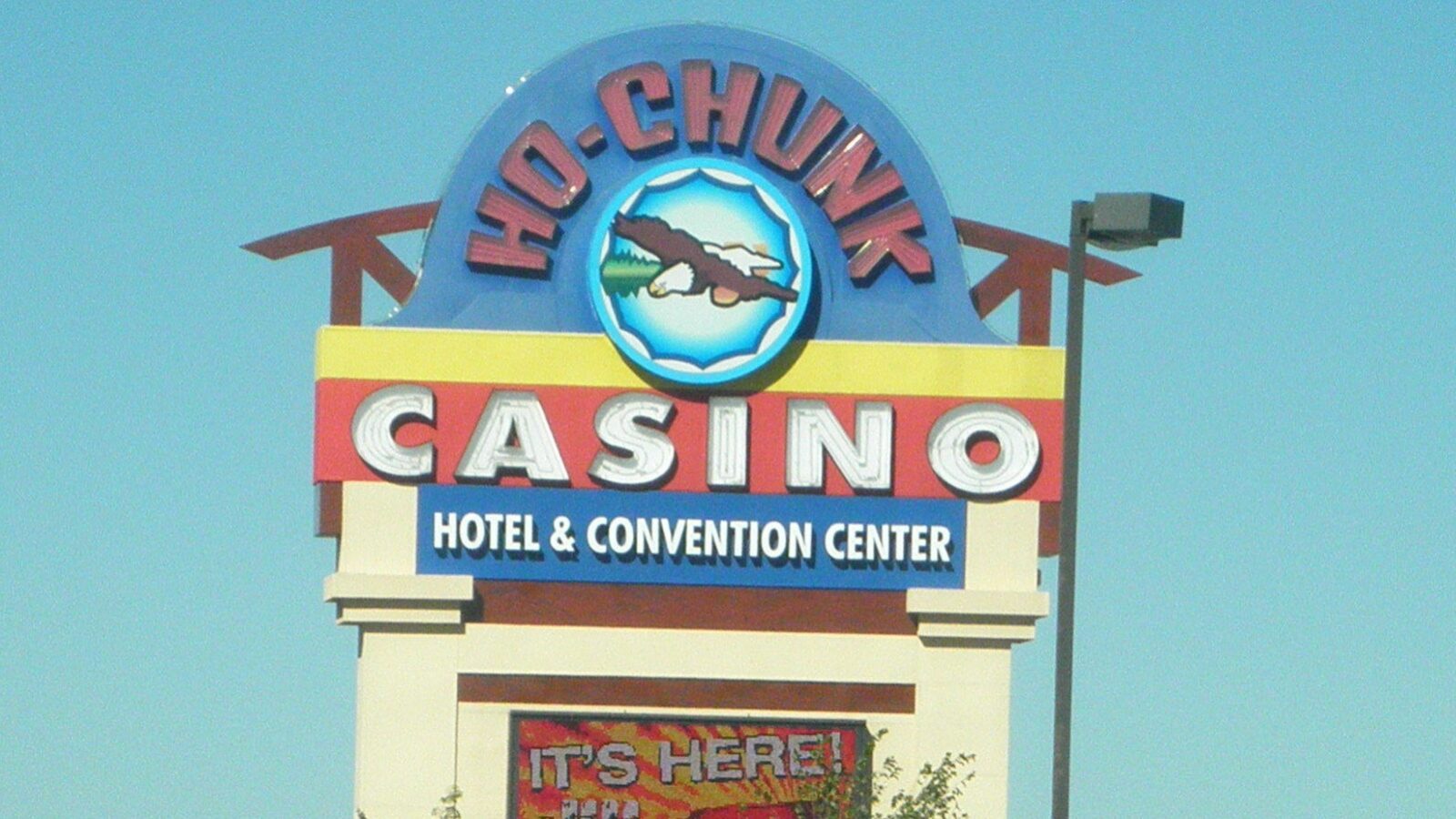
Wisconsin’s Ho-Chunk Nation filed a court brief Friday seeking to amend its complaint against Kalshi with regard to how it characterized the prediction market’s advertising. The brief is in response to a May ruling by a federal judge that the tribe could continue with part of its complaint under the Indian Gaming Regulatory Act (IGRA), but that its Lanham Act and Racketeer Influenced and Corrupt Organizations Act claims are invalid.
The Ho-Chunks are suing Kalshi to try to keep the prediction market from offering sports event contracts on the tribe’s land. The tribe compacted to offer legal gaming on its reservation in 2024, but it has not yet compacted to add online sports betting. Per IGRA, tribes have the sovereign right to approve all gaming on their lands, but Kalshi continues to argue that its product is not gaming and that it should be able to offer markets on tribal land.
Among the Ho-Chunk arguments was the idea that Kalshi is practicing deceptive marketing by advertising its sports event contract product as “50 State Legal.” U.S. District Judge William M. Conley of the Western District of Wisconsin rejected that view, writing, “Given that Kalshi has consistently taken the position that it is governed by the CFTC [Commodity Futures Trading Commission] and only the CFTC, and no court agency has yet to reject its position in a definitive decision, plaintiff’s allegations do not permit an inference that Kalshi’s advertisements are false, misleading or lacking a good-faith belief in the opinion’s truth.”
In its amended complaint, the tribe now argues that its claim about deceptive marketing is an IGRA violation.
The ads “are actionable as false statements because the Indian Gaming Regulatory Act (“IGRA”) is clear and unambiguous on its face as it pertains to class III gaming on the Nation’s Indian Land,” Ho-Chunk lawyers wrote.
Ho-Chunks agree ‘tribes aren’t states’
Ho-Chunk lawyers also suggested that Kalshi introduced a new idea into the lawsuit during the discussion to amend the complaint. The company wrote that the “50 States Legal” advertising does not apply to tribal land because “tribes aren’t states.”
The Ho-Chunks agree: “Further, no one said that Indian tribes are states. Rather, the Nation alleged that federally recognized Indian Lands exist within over 35 states. Congress recognized Indian Lands are within states’ boundaries in IGRA. … Kalshi has not and cannot suggest that Indian Lands are not part of states, or within their boundaries, especially considering that states’ criminal gambling laws are enforceable over conduct occurring on Indian Lands pursuant to federal law.”
In addition, the tribe argues in its amended complaint that Kalshi’s use of the phrase “sports betting” is a clear violation of the Lanham Act.
“These statements form quintessential Lanham Act false advertising claims wherein a defendant makes false or misleading statements about the nature, character, or quality of its goods or services,” reads the brief.
Separate from the deceptive advertising brief, the Ho-Chunks filed a brief Monday in opposition to Kalshi’s request to file an interlocutory appeal (an appeal made and ruled on before the case is resolved).
Other Indian Country lawsuits update
Besides the Ho-Chunks, two other tribal groups have sued Kalshi. Neither case has reached a resolution as described below:
Blue Lake Rancheria et al vs. Kalshi: Three California tribes — Blue Lake Rancheria, Chicken Ranch Rancheria of Me-Wuk Indians, and Picayune Rancheria of Chukchansi Indians — sued Kalshi last July seeking to keep it from operating on their lands. After a U.S. District Court judge in San Francisco in November denied a request for injunction and allowed Kalshi to continue operating, the tribes appealed to the U.S. Court of Appeals for the Ninth Circuit. Docket entries from Friday indicate that the first hearing at the circuit level is set for July 10 at 9:30 a.m. PT.
Mescalero Apache vs. Kalshi: New Mexico’s Mescalero Apache Tribe filed a complaint May 12 in U.S. District Court for the District of New Mexico claiming that Congress never intended to allow sports event contracts. Per the docket, Kalshi is set to file a motion to dismiss on June 24, and the tribe will have until July 22 to respond.