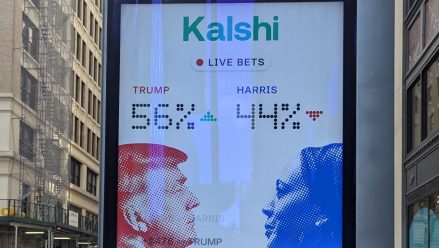
Leaning into the argument that the Commodities Exchange Act (CEA) supersedes the Indian Gaming Regulatory Act and preempts tribal ordinances and regulations, Kalshi submitted a court response Wednesday asserting its right to continue operating on tribal land in New Mexico.
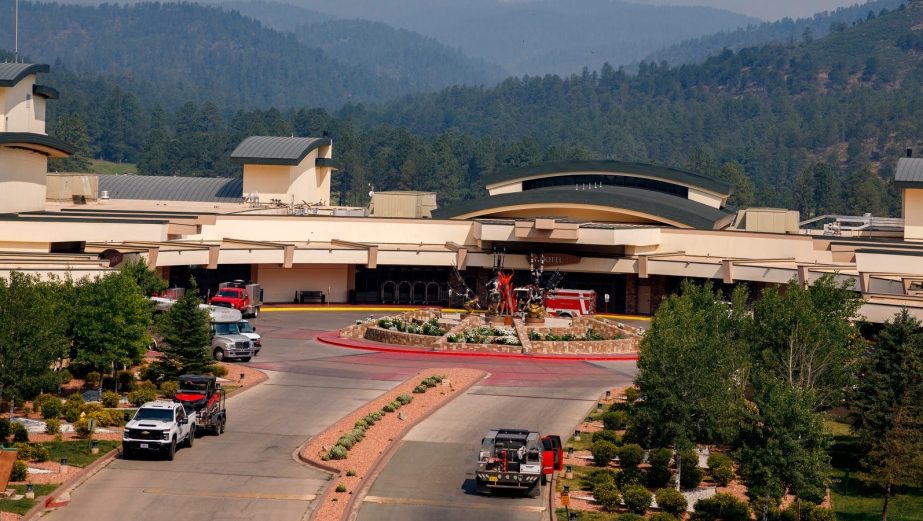
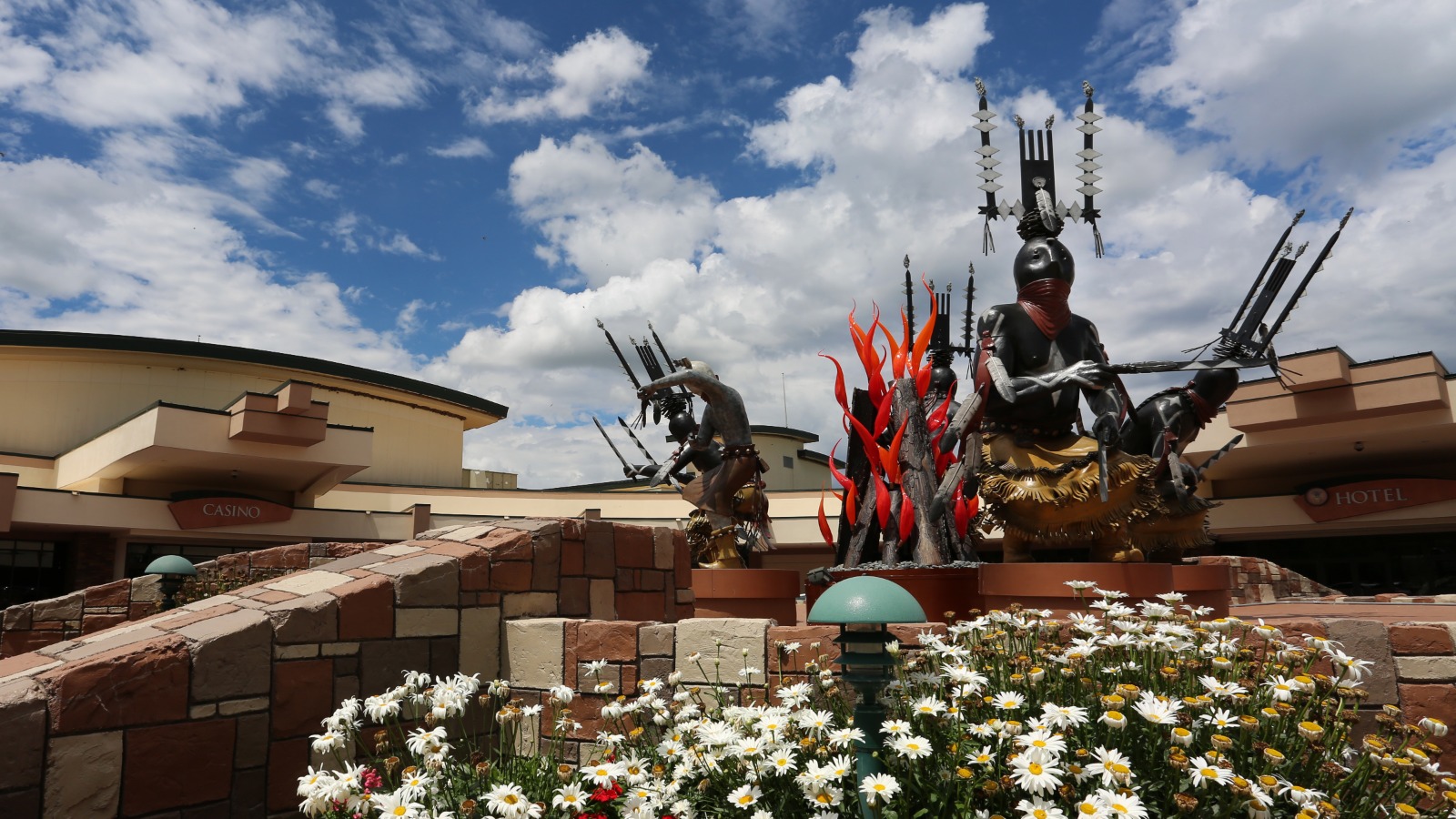
The company was responding to a tribal brief against its motion to dismiss and was opposing a preliminary injunction request in U.S. District Court for the District of New Mexico, where four New Mexico tribes filed suit against Kalshi in May. The response is the second of three filings required before the court can consider whether to dismiss the case or if it will allow Kalshi to continue to operate as the case moves forward. The Mescalero Apache Tribe, the Pueblo of Isleta, the Pueblo of Pojoaque, and the Pueblo of Sandia, all of which offer retail sports betting, brought the suit.
With regard to whether the court should grant a preliminary injunction keeping Kalshi from offering its contracts on tribal land, Kalshi argued that the tribes waited too long to request it and that removing Kalshi offerings would “alter the status quo” and give the tribes what they want before a trial takes place.
That argument may be just what states and tribes alike fear — that Kalshi has quickly become part of the fabric of everyday life after offering sports event contracts for about 18 months and taking it away would in some way negatively alter existing conditions. Kalshi wrote that forcing it off Indian lands would “cause significant operational and commercial harm,” cost the company money it could not recoup, and put it “at odds” with the federal statute that calls for impartial access.
In addition, Kalshi argues that the tribes cannot meet the threshold of establishing what kind of “irreparable harm” they would face should Kalshi continue to operate.
Kalshi not banned from reservations
Kalshi’s lawyers go on to say that “the public interest lies not in requiring Kalshi to engage in costly measures that would be highly disruptive to third parties transacting on the exchange.” The company maintains the public would benefit instead if federal law around derivatives markets is upheld.
Though no federal judge has so far ruled that Kalshi cannot offer certain contracts on tribal land, three state judges have ruled that the platform must geofence Michigan, Nevada, and Washington out, at least of certain offerings. The restrictions or bans are already in place in Michigan and Nevada, and Kalshi must comply with a Washington state order by Sept. 2.
At the heart of the Mescalero Apache argument is that Congress never intended for sports event contracts to exist, either in the CEA or the Dodd-Frank Amendment of 2010. Rather, the tribes wrote in their complaint, Sen. Blanche Lincoln predicted just this outcome — that companies would distort the amendment in order to offer sports contracts. The contracts are currently defined as financial tools, though the question of what a “swap” is has been hotly contested in court.
Preemption, preemption, preemption
In its response, Kalshi asserts that neither the Montana decision, which the tribes say affords them the authority to make decisions about what happens on their land, nor IGRA give tribes the power to force Kalshi off their lands and that IGRA does not allow tribes to enforce their laws on non-tribal entities. With regard to Montana, Kalshi argues that the decision was about issues that have “some direct connection to tribal lands,” which it maintains is not applicable to its operations.
Kalshi’s key argument, however, is that the CEA preempts IGRA and that the statute and the CFTC give the federal agency “exclusive jurisdiction” over prediction — and derivatives — markets.
Online sports betting and gambling are not legal in New Mexico, but Kalshi argues that is not relevant as the CEA preempts state law and Kalshi is offering derivatives contracts.