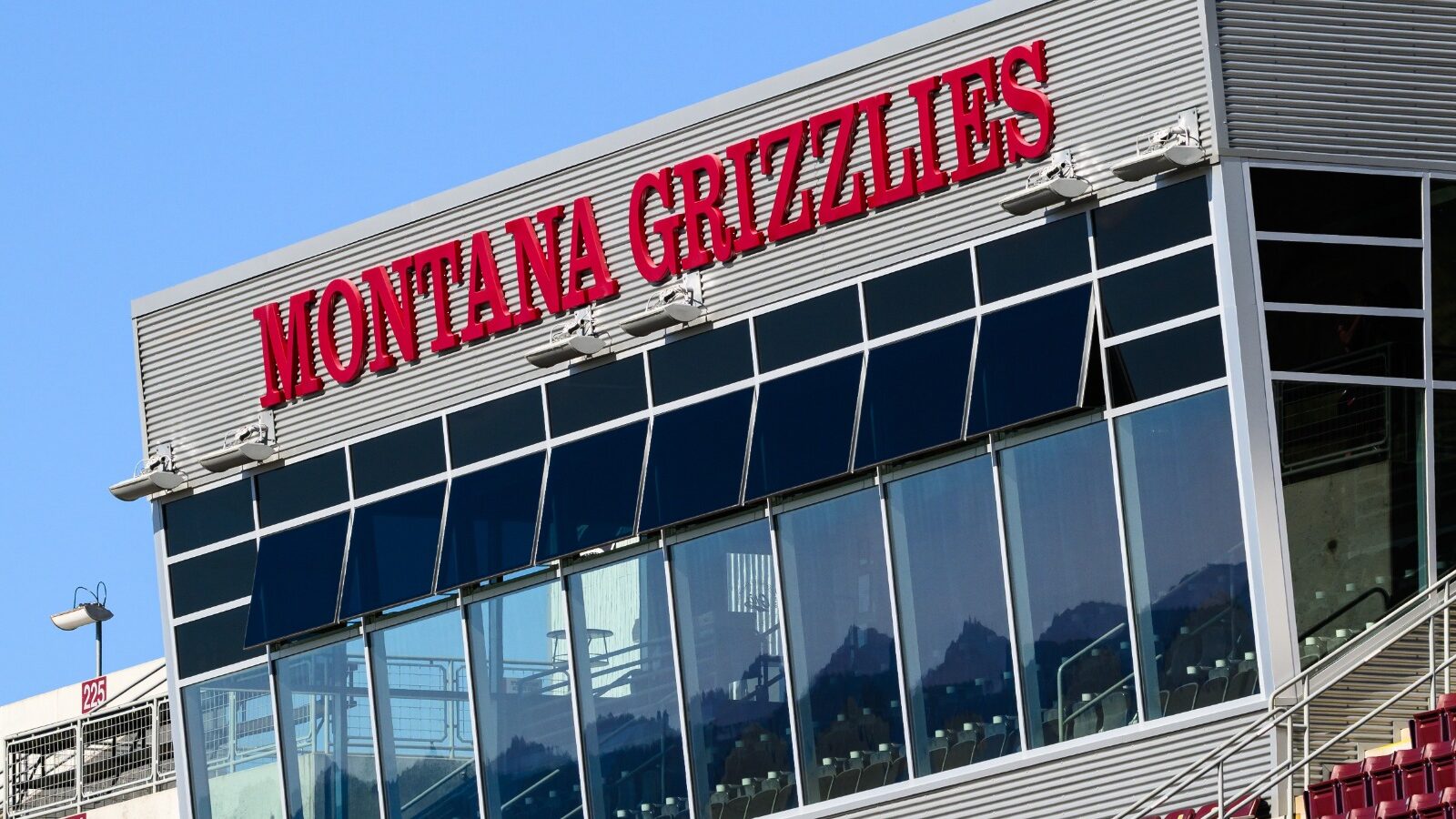
The state of Montana and Kalshi have agreed to dismiss their lawsuit, but they left the door open for Kalshi to sue the state in the future and the state to pursue enforcement against the prediction market platform.
Filed last Thursday, the agreement could be perceived as a loss for the state, which until 10 days ago had the power not only to enforce its gambling laws against Kalshi but seemed to have the momentum of a U.S. Ninth Circuit Court of Appeals decision to ultimately win a case against the operator. A Ninth Circuit panel in late August ruled that the state of Nevada could enforce its gambling laws against Kalshi. Such a decision then extends to all states in the circuit.
The opinion was put on hold, however, when Kalshi on Sept. 11 requested a fuller en banc hearing from the court. Nevada and Washington state were already enforcing their gambling laws against the platform and bar the offering of sports event contracts. Each has a state court ruling that allows them to do so, but other states in the circuit don’t have state court decisions to lean into.
In Thursday’s filing, Kalshi agreed to dismiss the suit with prejudice to a handful of what are referred to as “commission defendants” and without prejudice with regard to the Montana Gaming Control Division and “non-commission defendants.” This means the suit against the state could be refiled.
30-day notice required for MT to enforce
For the immediate future, the opinion means that Kalshi can continue to operate in Montana. Should the Ninth Circuit either deny the en banc hearing request or ultimately find in favor of Nevada again — so far, a U.S. district court and the Ninth Circuit both ruled against Kalshi — the state could enforce its rules, but it must give Kalshi 30 days’ notice.
The Nevada opinion was the first of two that the Ninth Circuit issued denying Kalshi the opportunity to offer its sports event contracts. Last Wednesday, it overturned a lower court ruling in a case against the Blue Lake Rancheria and Chicken Ranch Rancheria of Me-Wuk Indians tribes. It is the first case involving Indian Country with a circuit court decision. The Ho-Chunk Tribe case in Wisconsin has a May 2027 trial date in district court, and the Mescalero Apache Tribe case is set for a district court hearing Wednesday.
Kalshi filed its initial complaint against the state in April after the Montana attorney general sent it a cease-and-desist letter. Kalshi was seeking a permanent injunction, but the case never progressed after both sides agreed to a stay of any filing deadlines and then asked for and were granted two 60-day extensions.
On Aug. 27, the U.S. District Court for the District of Montana denied Kalshi’s injunction request due to inaction.
Montana joins a handful of other states that have at least initially been granted the right to enforce their gambling laws but have not, including Iowa, Maryland, New York, and Utah.
Maryland’s case with Kalshi — among the first filed — is awaiting an opinion in the Fourth Circuit after oral arguments were heard in May. A district court judge denied Kalshi’s request for an injunction, and the prediction market then appealed to the Fourth Circuit.
The Iowa, New York, and Utah cases are also moving through their respective circuit courts, after Kalshi lost injunction appeals in district court.