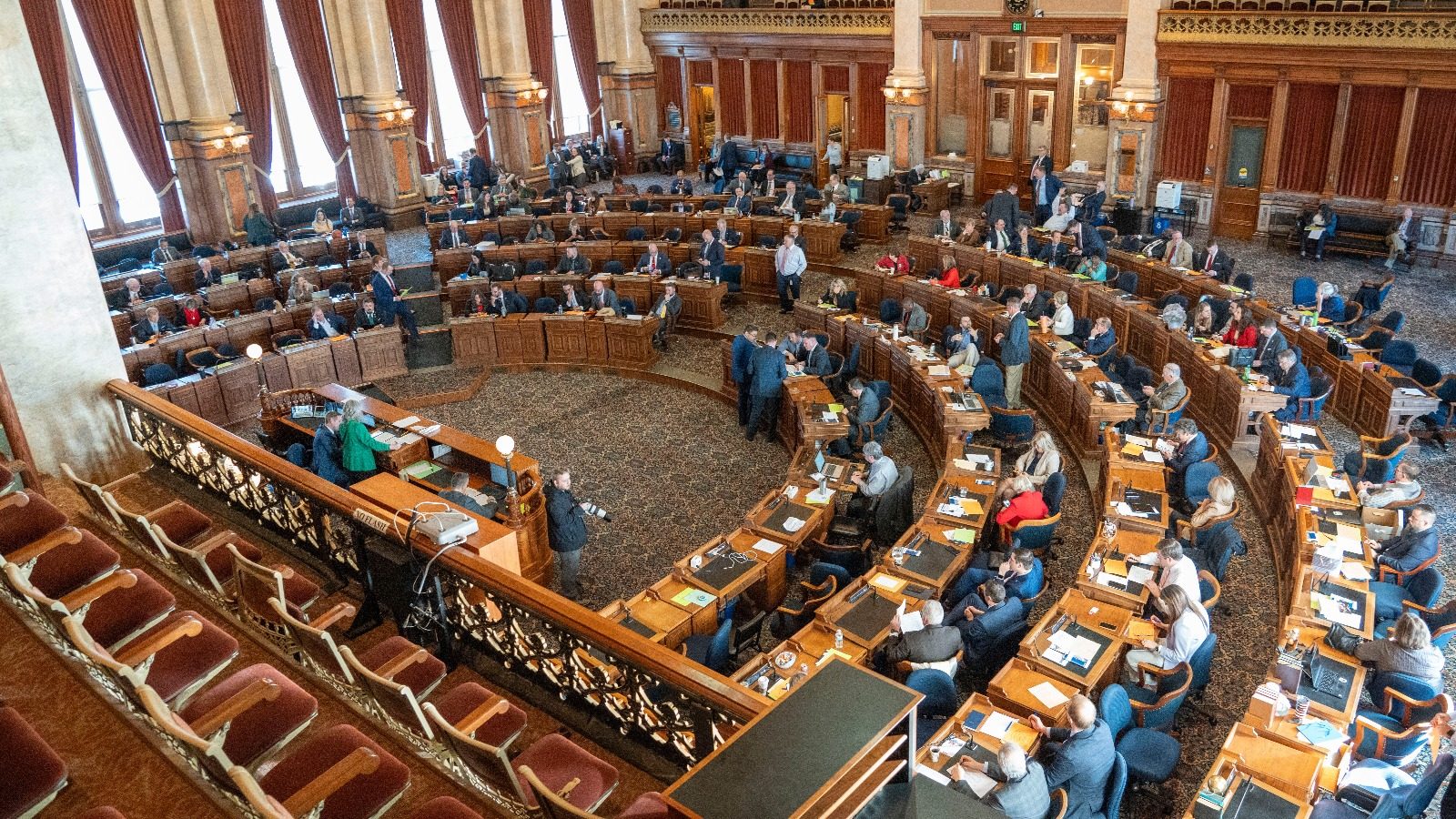
When the Iowa Legislature adjourns Tuesday, it will become the 20th state to complete its 2026 legislative session — and one of many that closed out its session with no action on online sports betting or prediction market bills. With a handful of exceptions (Michigan, New Jersey, Ohio), most other state legislatures will adjourn over the summer.
The failure to move legal sports betting bills forward has been caused, in part, by the rise of prediction markets. The sports betting-like offerings have muddied the water for legal sports betting bills or tweaks to current laws in multiple states.
More than a year after Kalshi took the sports betting world by storm by offering sports event contracts on the 2025 Super Bowl, state legislators are becoming more educated. That education, however, may be too late, as some lawmakers say the federally regulated prediction markets must be reined in quickly.
“In the last year, we have seen the explosion of this,” Minnesota Rep. Emma Greenman said during a hearing in early April. “I do think if we wait another year, the negative public health impacts on teenagers, particularly, but also the disruption that it has to our legal framework that we regulate gambling on, will be pretty extreme.”
The platforms are also taking revenue away from state-regulated wagering companies and states, say lawmakers and industry representatives. Under the jurisdiction of the federal Commodity Futures Trading Commission, the platforms do not pay taxes to states and lack the stringent consumer protections required by state regulators.
“The CFTC allowing sports betting through sports event contracts completely undermines the system of state and tribal regulation of gambling that we’ve had in this country for decades,” American Gaming Association Vice President of Government Relations Tres York said in an educational video on LinkedIn in March. “It affects states, tribes, and consumers. …. It also diverts tax revenue from important projects, and these platforms lack the consumer protections that all states require if they make the decision to legalize sports betting.”
Industry stance: No to prediction markets
Iowa’s Senate Ways and Means Committee on April 15 introduced SF 2494, which would create a regulatory framework for designated contract markets, the platforms that offer prediction markets. Introduced late, the bill will be left on the table in the current session, but it sets the stage for discussion next year.
The proposal differs from that in many other states where lawmakers and regulators are looking for ways to shut down the markets completely in their jurisdictions. Bills to ban — or at least stifle the markets — remain active in California, Minnesota, and New York, and the prevailing stance of the gambling industry and regulators nationwide is to try to ban the markets.
Attorneys general from Arizona to Massachusetts, tribes form California to Wisconsin, and regulators from Nevada to Connecticut have taken steps to keep the platforms out of their states. But so far, only Nevada has succeeded.
In Washington, D.C., about a dozen bills related to prediction markets are circulating on Capitol Hill. The CFTC filed its first lawsuit on the issue in defending its jurisdiction over the sector, meanwhile, when it sued the states of Arizona, Connecticut, and Illinois April 2.
Wisconsin only state to legalize so far
In the meantime, the business of sports betting legalization and refinement continues.
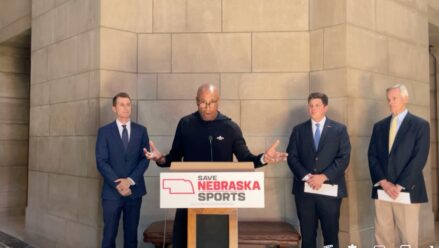
With the exception of Wisconsin adding online sports betting to its gambling landscape April 9, no other state this year has added any form of wagering, though it’s possible that Nebraskans will do so in November. Voters in that state will have the opportunity to vote on an initiative and constitutional amendment that together would allow for statewide mobile sports betting. Voters made in-person wagering legal in November 2020.
A handful of states so far have tweaked their sports betting laws:
- In Kentucky, a law will go into effect in mid-July that raises the minimum betting age to 21, bans some prop bets, allows fixed-odds betting on horse racing, and bans partnerships between prediction platforms and sports betting license holders and racetracks.
- In Virginia, a new law banning credit card funding of accounts will go into effect July 1.
- In Washington state beginning June 11, bettors will be able to wager on college team props, though college player props are still banned.
MN moving on prediction ban, but not OSB
Minnesota is currently the only state with an active legal sports betting bill. The rise of prediction markets has clouded the issue enough, however, that lawmakers pressed pause on a tribal-backed online sports betting bill last week while moving forward a measure that would ban certain event contracts, including those on sports. That bill, SF 4511, will go before a fifth committee Friday. A hearing is set for 9 a.m. local time before the Senate Finance Committee.
Minnesota’s legislative session is set to adjourn May 18, and at least one member of the Commerce and Consumer Protection Committee believes a decision on prediction markets will affect legal sports betting.
“If that [prediction market ban] were to become law in the state of Minnesota, I think that is going to make the decision regarding sports betting or sports wagering online, and it’s going to ensure that it never becomes an option for folks here in the state that want to see it become an option,” Sen. Zach Duckworth said at a hearing.
In the biggest picture, where and how sports betting is available in the U.S. doesn’t look much different than it did a year ago. Lawmakers in Alabama, Georgia, and Mississippi again discussed gambling expansion without reaching consensus before adjournment. Bills in Hawaii (adjournment May 8) are dead, and SB 444 in South Carolina (adjournment May 7) continues to languish in committee, after a February discussion about prediction markets left lawmakers baffled and in need of a better understanding of the issues.
The bills in all of those states will not carry over to the 2027 session.
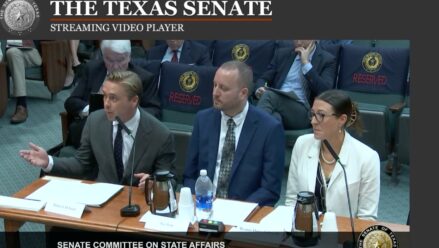
Legislatures in Texas, Montana, Nevada, and North Dakota do not meet in even-numbered years.