LAS VEGAS — Even a conference of gambling academics is not immune to anti-prediction market rhetoric. U.S. Rep. Dina Titus and BetMGM Director of Responsible Gaming Rich Taylor were passionate and outspoken about how prediction markets are harming the legal gambling business in their comments at the International Conference on Gambling & Risk Taking Tuesday.
“I love to compete, BetMGM loves to compete on an equal playing field, ” Taylor said when asked about federally regulated trading platforms offering sports event contracts. “We’ve all built these massive internal compliance infrastructures. BetMGM alone has over 100 employees in our compliance department monitoring a variety of issues like AML, responsible gambling, integrity, etc. Can prediction markets say that they are doing the same thing?”
Taylor went on to say that the regulator — the Commodity Futures Trading Commission (CFTC) — doesn’t require such safeguards, so why would prediction operators “invest the money, the energy, the time, the software to build these infrastructures that we’ve all built in this regulated space?”
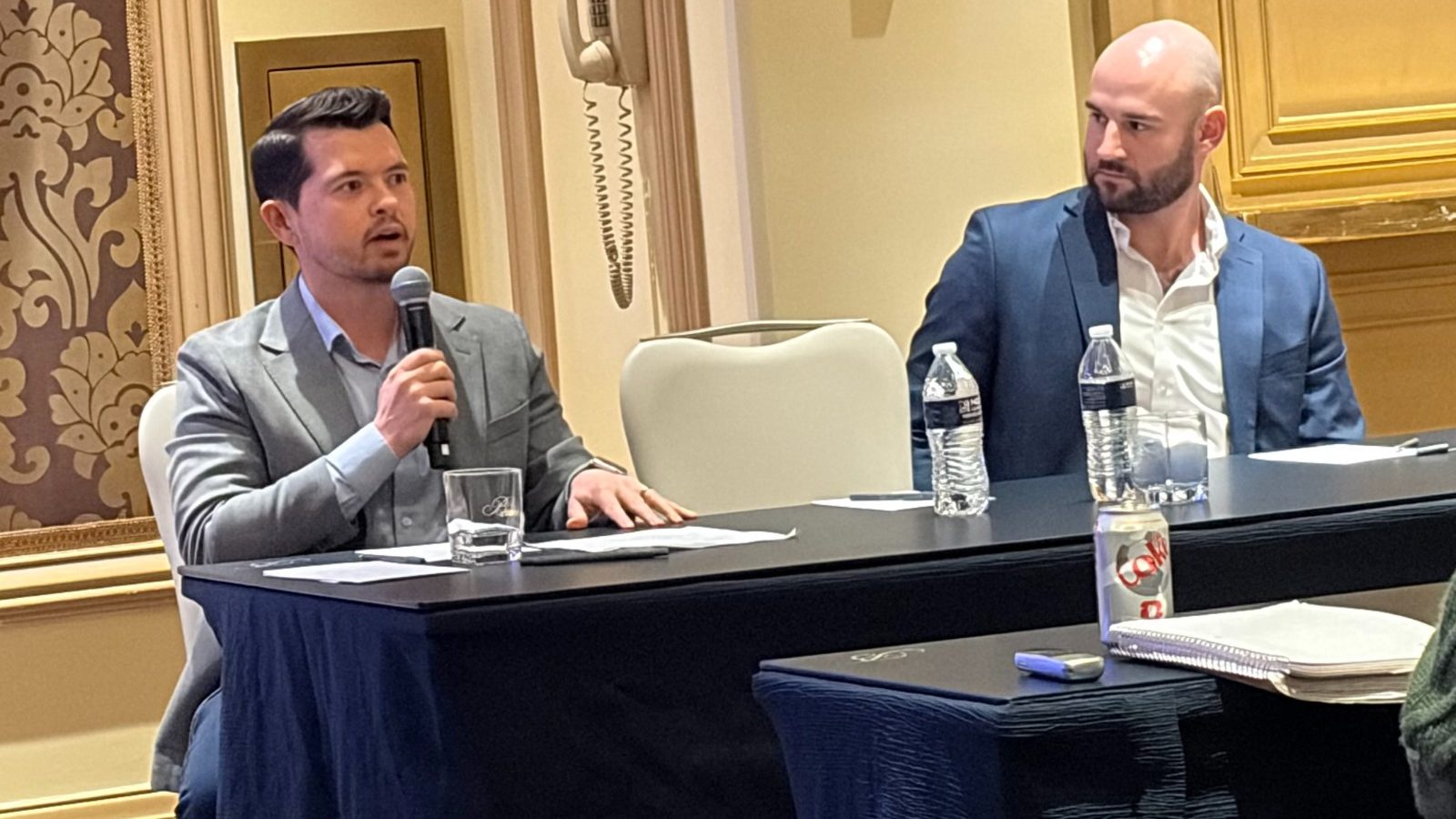
Taylor was on a panel with NASCAR Director of Sports Betting Ray Koch, tasked with sharing information about how operators and leagues work together to protect integrity. Koch said NASCAR does not have any pure prediction market partners, though some of its drivers may. NASCAR does have partnerships with BetMGM, DraftKings, and FanDuel — and DraftKings and FanDuel offer prediction products, including sports event contracts.
The conference, put on by UNLV’s International Gaming Institute, brings together about 500 researchers, academics, and regulators every three years. Conference presenters and attendees are spending most of their time discussing how to effectively and safely apply AI, what the next generation of responsible gaming tools and problem gambling treatment look like, and legal issues around gambling.
But Titus used her keynote as a platform to stump for legal gambling and against prediction markets, while Taylor couldn’t a resist an opportunity in his panel to share the land-based casino operator position on prediction markets.
‘If it walks like a duck … it’s sports betting’
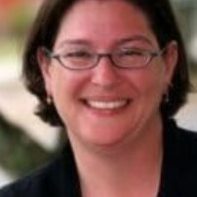
Nevada Democrat Titus didn’t mince words during her keynote speech Tuesday.
“States have set up licensing requirements and anti-money-laundering protocols, age verification, and responsible gaming,” Titus said. “But these new efforts to get around that don’t call for those types of protections. They call themselves sports events contacts, but if it walks like a duck and talks like a duck, it’s sports betting.”
Titus said that prediction markets have changed the paradigm for federal lawmakers. As Nevada’s senior U.S. representative, Titus said her experience in Washington has traditionally been to keep gambling out of the federal conversation. During her 15-plus years in D.C., she’s consistently filed bills to eliminate the federal gambling excise tax, and lately has been a loud voice in opposition to the 90% gambling tax loss deduction cap.
But since Kalshi offered its first sports event contract ahead of the 2025 Super Bowl, Titus has been at the forefront of trying to get her peers to understand the difference between a sports event contract — the financial markets that mimic sports betting — and a traditional sports bet. She’s the author of a bill that would prohibit companies like Kalshi and Polymarket from offering contracts around sports or casino-style gaming. She’s also been vocal about whether or not the CFTC has the experience and expertise needed to regulate gambling.
“If you want to offer sports betting or any kind of casino betting, there has to be a level playing field. You have to abide by the rules of the jurisdictions — states or tribes,” Titus said.
Nevada so far is the only state to get and enforce a ban on prediction markets through the judicial system. Last fall, under pressure from the Nevada Gaming Control Board, FanDuel surrendered its Nevada license and DraftKings withdrew an application. Fanatics is not licensed in the state.
Taylor: Operators have a responsibility
BetMGM does not have a prediction product. The company is a joint venture between MGM and Entain, which along with other land-based casino operators, including Caesars and Penn Entertainment, are anti-prediction market.
Taylor pointed to another difference between the federal regulation of prediction markets and the state regulation of the gambling sector.
“By the way, we pay our taxes as well,” Taylor said. “I don’t think [prediction markets] are paying state taxes that contribute to things like problem gambling treatment funds in the states. For us, we have a fundamental belief that if you’re going to be offering what we offer — what they offer — that you also have an obligation to contribute to bettering society by paying taxes and investing in responsible gaming and problem gambling treatment, etc.”
Taylor quipped that his answer to a question about sports betting industry involvement with prediction markets had become a “political stump speech,” but said that BetMGM believes “it’s really important to carry our weight and contribute and take that obligation seriously because these are real human beings at risk.”