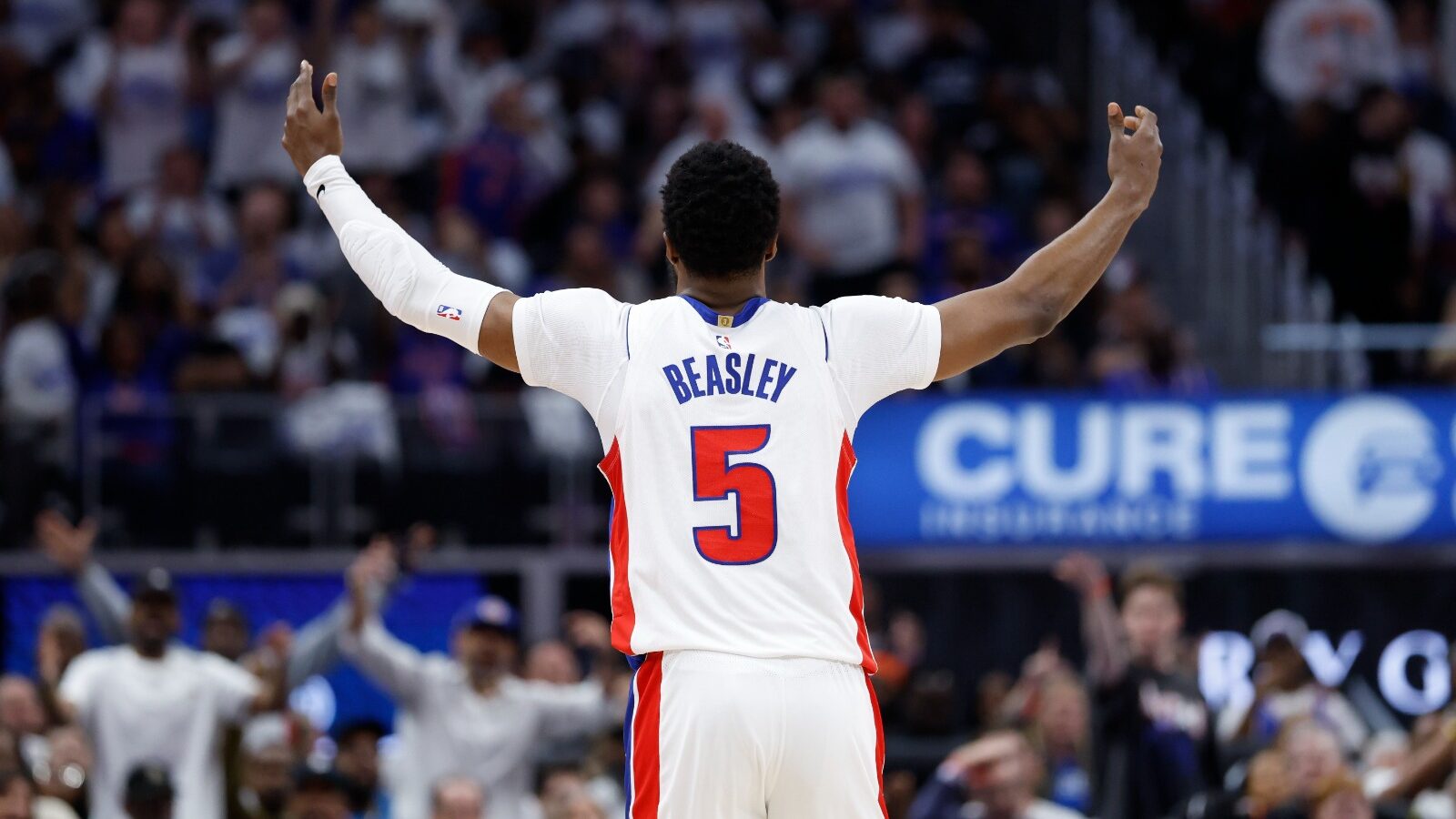
After the NBA and the U.S. Department of Justice (DOJ) investigated Malik Beasley for his potential role in gambling-related offenses, reports last summer stated that the former player had been cleared.
That news was premature, as it turns out, as the DOJ has now charged that Beasley manipulated his performance with the Milwaukee Bucks in multiple games in 2024 so a group involved could cash in on bets. Also charged in the conspiracy are former first-round pick Edward Davis, William Brown, Robert Gorodetsky, Ernesto Plascencia, and NBA player agent Paolo Zamorano.
The six are accused of a series of crimes, including wire fraud conspiracy, bribery in sporting contests, honest services wire fraud conspiracy, and money laundering.
Several of the above were arrested Monday in locations around the country and will be arraigned in the Eastern District of New York.
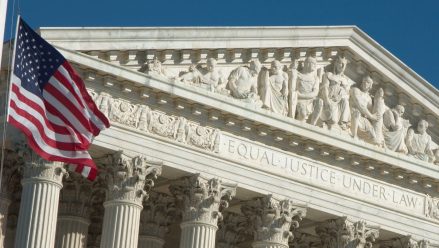
“As alleged, the defendants turned professional basketball into a criminal betting operation, bribing then-NBA player Malik Beasley to fix his performance in multiple games in order to place fraudulent wagers, enrich themselves and cheat legitimate sportsbooks,” U.S. Attorney for the Eastern District of New York Joseph Nocella Jr. said in a release. “Bribery and insider betting schemes like this one involving former NBA players and a current NBA player agent who exploited inside NBA information for profit erode the integrity of American sports and victimize the sports-watching public. Our office will continue in its strong tradition of holding accountable anyone who seeks to corrupt sports through illegal means.”
The action
Prosecutors allege that when playing as a guard for Milwaukee, Beasley worked with former teammate Davis to rig his own stats. Before games, Beasley would tip Davis that he planned to come in under certain betting lines, or sometimes over them. Davis then passed that information to Brown, Gorodetsky, Plascencia, Zamorano and others, who placed bets they could view as sure things. In exchange, Beasley got paid, usually by having his gambling debts to Davis cut down or wiped out.
Three games lay out how it worked, per the DOJ release.
Before Milwaukee’s Jan. 26, 2024, game against Cleveland, Beasley told Davis he planned to come up short on rebounds. Davis spread the word to Gorodetsky, Plascencia and Zamorano, and Plascencia looped in Brown. They placed their bets. Many cashed.
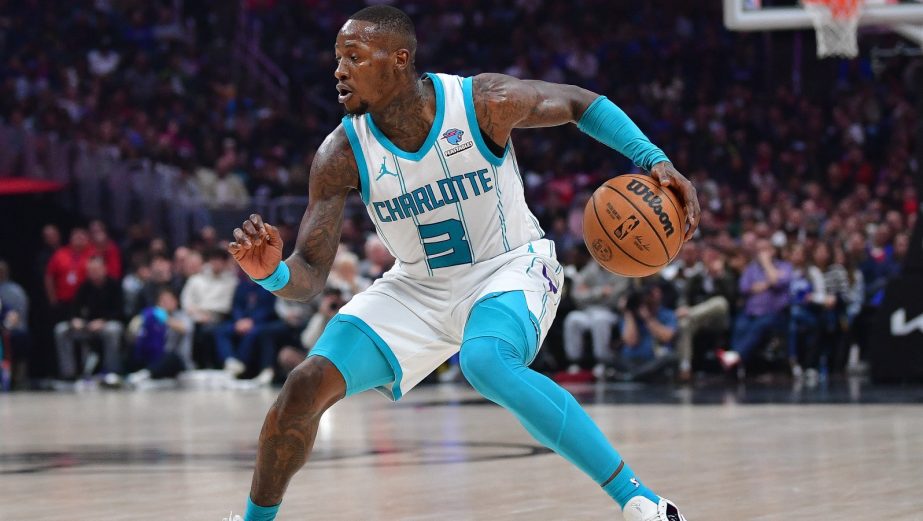
Before the Feb. 27, 2024, game against Charlotte, Beasley said he’d go under on points and over on rebounds. Same chain: Davis to the others, Plascencia to Brown. Many of those bets hit too.
Before the March 10, 2024, game against the Los Angeles Clippers, Beasley said he’d go over on rebounds. He was in need of one more rebound, but there was only 1.1 seconds left, which yielded the following text exchange, according to the indictment.
BROWN: OMGGGGGGGG…HE GOT 1 REB WITH 1.1 second left…FAMMMMMMMMMM…NO WAY…He pushed Connaughton outta the way Imaooooooo
PLASCENCIA: Show me dawg
BROWN: Damn i closed my laptop… I’ll try to find it
PLASCENCIA: Ed Wants to see it
BROWN: Contested it and got the board lol
PLASCENCIA: Fam we were 1.1 secs away from being down thousands lol
Not so fast
The good times, however, were about to end.
By mid-March of 2024, according to the indictment, the co-conspirators had begun arguing among themselves. In a group chat, Plascencia accused Zamorano of moving the betting lines and hurting the group’s action. Zamorano responded that he was not the issue, noting that two people in the chat were betting $30,000 to $40,000 a game, and adding, “When the feds come. Who they going to care about?”
Davis then removed himself from the chat, which Zamorano speculated was an effort to get the messages off his phone. Gorodetsky added that Davis was “printing,” a reference to the money he was making.
The scheme fell apart on March 21, 2024, when the Bucks played the Brooklyn Nets. The defendants again bet heavily on Beasley going under on rebounds, but this time he failed to perform as planned and the bets lost.
In the aftermath, prosecutors allege, Plascencia demanded that Davis either repay the group for the lost bets or arrange for Beasley to fix future games so they could win the money back. Davis initially agreed to the latter. But after reports surfaced that then-Toronto Raptors player Jontay Porter was under federal investigation in connection with a similar performance-fixing scheme, Davis backed out.
By then, the defendants had begun trying to cover their tracks, according to the indictment. Beasley deleted messages, and Davis removed himself from conversations that documented the scheme.
Not his first rodeo
At least one of the alleged co-conspirators — Gorodetsky — has a checkered past.
Long before the Beasley case, the Illinois native who moved to Las Vegas had built an Instagram persona known as “Big Rob,” flaunting fast cars, jewelry, and stacks of cash while mingling with celebrities and models.
In 2017, USA Today profiled him under the headline, “Is this the future face of sports gambling?”
The answer came in January 2020, when federal prosecutors in Chicago charged him with wire fraud, accusing him of swindling $9.6 million from a single investor — a New Jersey ophthalmologist whose daughter had once dated Gorodetsky, per a Chicago Tribune report.
He pleaded guilty, having spent some of the money on a Rolls Royce, a Bentley and two Lamborghinis. A judge sentenced him to 28 months in prison, telling him, “It’s just a massive, massive fraud.”