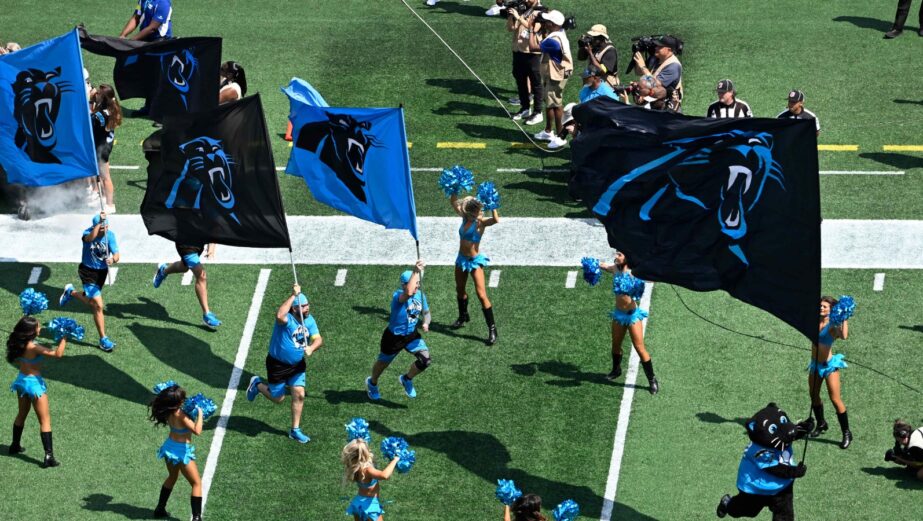

Last week, North Carolina’s budget bill passed with a surprising provision on prediction markets.
Unlike past legislation in states like Illinois or Minnesota, this one seemed unusually friendly to the platforms that have drawn the ire of many states.
It taxes exchanges, but at 6% of fee revenue, well below the percentage of revenue that sportsbooks are taxed at (23% under the new law). But maybe more importantly, the language of the bill says that the federal Commodity Futures Trading Commission (CFTC), not the state, is the exclusive regulator of the product.
Kalshi appears to be positive toward the bill, with a spokesperson directing InGame toward a social media post noting the benefits of a prediction market paying taxes to the state.
It’s hard to tell at this point whether the budget is the first in a wave of grand bargains between states and prediction markets or an outlier.
But what exactly are the options available to states looking to collect some kind of tax revenue from the new product? If states forfeit their rights to regulate prediction markets, can they tax them?
Kalshi has fought regulation, quieter on taxes
Kalshi has been quick to the courtroom when states pass prediction market bills. But even if those bills include a tax, it hasn’t really fought against the idea that it could be taxed by a state.
A big reason for that is that states’ authority to tax federally regulated products is fairly clear.
“Just because you have federal regulation doesn’t mean states cannot impose taxes,” law professor Melinda Roth told InGame.
The North Carolina bill comes after Kalshi sued to challenge a bill in Illinois that would also tax prediction markets, at higher rates, and would require prediction markets to be licensed.
Much of Kalshi’s Illinois complaint argues against the state’s right to require Kalshi get a license, with little argument about the tax elements.
“They’re not saying ‘a state can’t tax us,’ because it’s not the legal truth,” Roth said.
The Illinois tax is also onerous enough that it could be argued that it’s an attempt to regulate the product in all but name. It would tax the value of trades rather than simply fee revenue, with the tax rate being set higher than the average fee rate of most leading prediction markets.
But the line between North Carolina’s prediction-market-friendly tax and Illinois’ arguably unworkably high rates is less clear. At what rate could a state get away with taxing a prediction market if the state was happy to forgo any claim to regulate the product?
“There’s no magic line, and as far as I know this issue hasn’t been litigated for financial market issues,” Roth said. “There would probably be a line where it’s called a tax but it’s not really acting as one.”
What will other states do?
So will other states follow? There are competing forces at play. They may not want to miss out on revenue, but they likely also don’t want to give up any claim to regulate prediction markets.
“If the tax in North Carolina goes into place, states would be crazy not to try to grab revenues,” Roth said. “However, that puts them on the side of saying exclusive CFTC jurisdiction is okay and then not being able to mandate consumer protections.”
But does a state have to say that the CFTC has exclusive jurisdiction to tax prediction markets, or could it pass a tax and just avoid language in the bill that takes one stance or the other on who regulates them? Maybe it could do the latter, but it probably wouldn’t be without opposition.
“If another state was more vague about the regulatory side maybe that opens more of a challenge,” Roth said. “North Carolina doesn’t want to lose revenue. So they have made it as hard to challenge as possible.
“But if another state was more vague, that would open the door to potentially Kalshi arguing that they are using the tax to assert jurisdiction. The tax might still be upheld but I think a prediction market might challenge.”
Could PM opponents challenge law?
And what about those who would have wanted to see North Carolina take more of a stance against prediction markets? Could anyone argue that North Carolina would be abdicating a duty to regulate a form of betting?
The state’s tribes, which have exclusive rights to operate sports betting in North Carolina, are the party most likely to have some kind of grounds.
“For tribes, they would certainly have standing and would be making similar arguments as they are making now,” Roth said. “They could probably also argue that the state cannot subject them to licensing and regulation and a higher tax rate for a similar product.”
But to prove that the products are similar enough that they should be taxed in the same way may be difficult.
Any other parties that oppose prediction markets in their current form are unlikely to have much grounds to challenge the law.
“If someone else wanted to challenge North Carolina, it would be a difficult legal argument,” Roth said. “From the Murphy decision, ironically, which overturned PASPA in 2018 and opened up the floodgates for states to legalize sports betting, we know that states can choose to regulate, or they can choose not to regulate.
“That would be tough to overcome, somehow arguing that North Carolina has to regulate the prediction markets.”