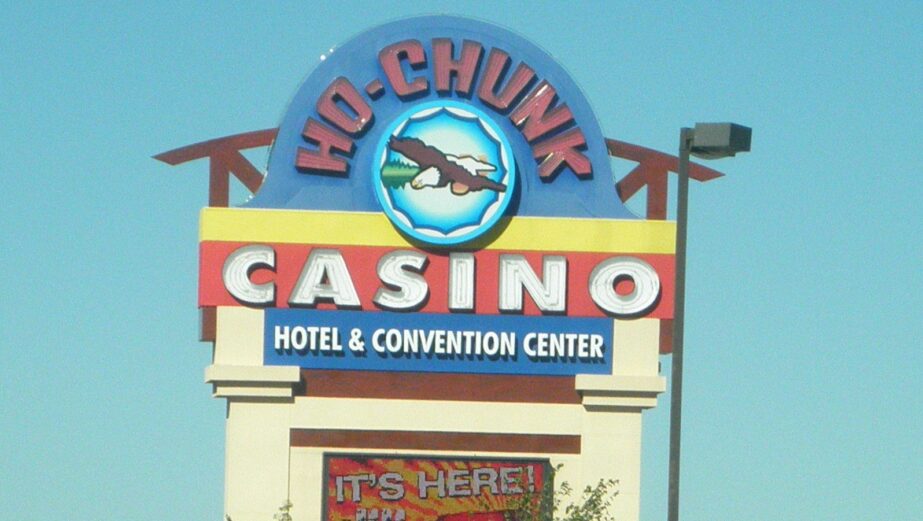
The Tenth Circuit extended the date last Wednesday for Colorado’s Ute Tribes to file their appeal against the state to July 30. The tribes initially sued the state over the right to offer online sports betting across the state in July 2024, and a district court judge dismissed the case last October. The tribes were initially supposed to file their appeal by April 20, but the date has been extended three times.
Many legal sports betting stakeholders are watching the case, which, if the Southern Ute and Ute Mountain Ute tribes win, could create a third state in which tribes can use a hub-and-spoke model for online sports betting. To date, the only live market of this kind is in Florida, with the Seminole Tribe in charge, but Wisconsin lawmakers earlier this year approved a law that will allow for the same kind of market once the 11 gaming tribes re-compact with the state.
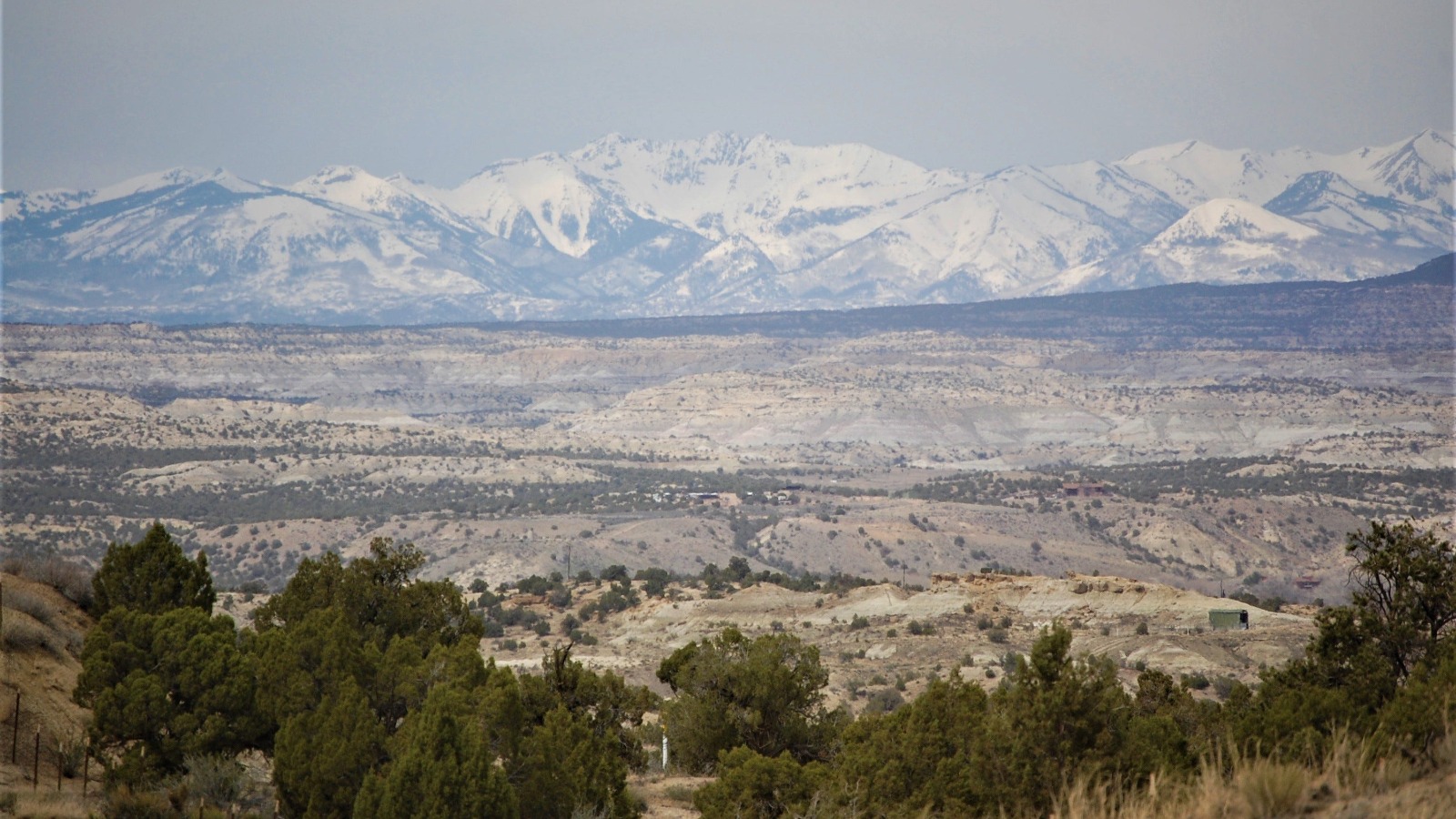
In Colorado, both tribes offer retail sports betting on their reservations, which are located in Southwestern Colorado. The Southern Ute partnered with US Bookmaking to launch an online sportsbook in 2020, but the platform was taken down in July 2023 as part of an ongoing dispute with the state. Retail and online sports betting went live throughout Colorado in May 2020.
Colorado situation is different
U.S. District Court Judge Gordon Gallagher found in the state’s favor in October when he wrote that he believes that a bet is placed where the bettor is physically located. In order for a tribe to be able to offer statewide mobile sports betting — and not be beholden to state regulation — the compact must allow for bets to be considered placed where received. In Florida, for example, servers are located on Seminole land and any mobile bet in the state is considered to have been placed on tribal land because it flows through the server. It is likely that the setup in Wisconsin will ultimately be similar.
In both Florida and Wisconsin, tribes are or will be the only entities that can be licensed for sports betting. Under the Indian Gaming Regulatory Act (IGRA) in such situations, tribes may partner with commercial operators, but those operators have to pay the tribes 60% of revenue. No commercial operators have done so in Florida, and the commercial wagering industry pushed back on this point in Wisconsin when the new law was being passed.
The situation in Colorado would be different from the start. There is already a vibrant online sports betting market in the state, with more than a dozen digital platforms ranging from giants DraftKings and FanDuel to BetMonarch, a local entry. In other states where both commercial operators and tribes are live, tribes gave up the exclusivity granted under IGRA and are regulated and pay taxes to the state. The Ute tribes would not have exclusivity, but are seeking to be regulated by a tribal council and not pay taxes to the state.