The races for governor in two key tribal gaming states could change the sports betting landscape by early next year. The governors in Oklahoma and Wisconsin won’t be returning after reaching term limits.
In Oklahoma, that could finally mean a chance for sports betting to, if not become legal, at least command a meaningful discussion in the legislature, and in Wisconsin, it could mean that at launch legal sports betting won’t be the way sitting Gov. Tony Evers envisions it.
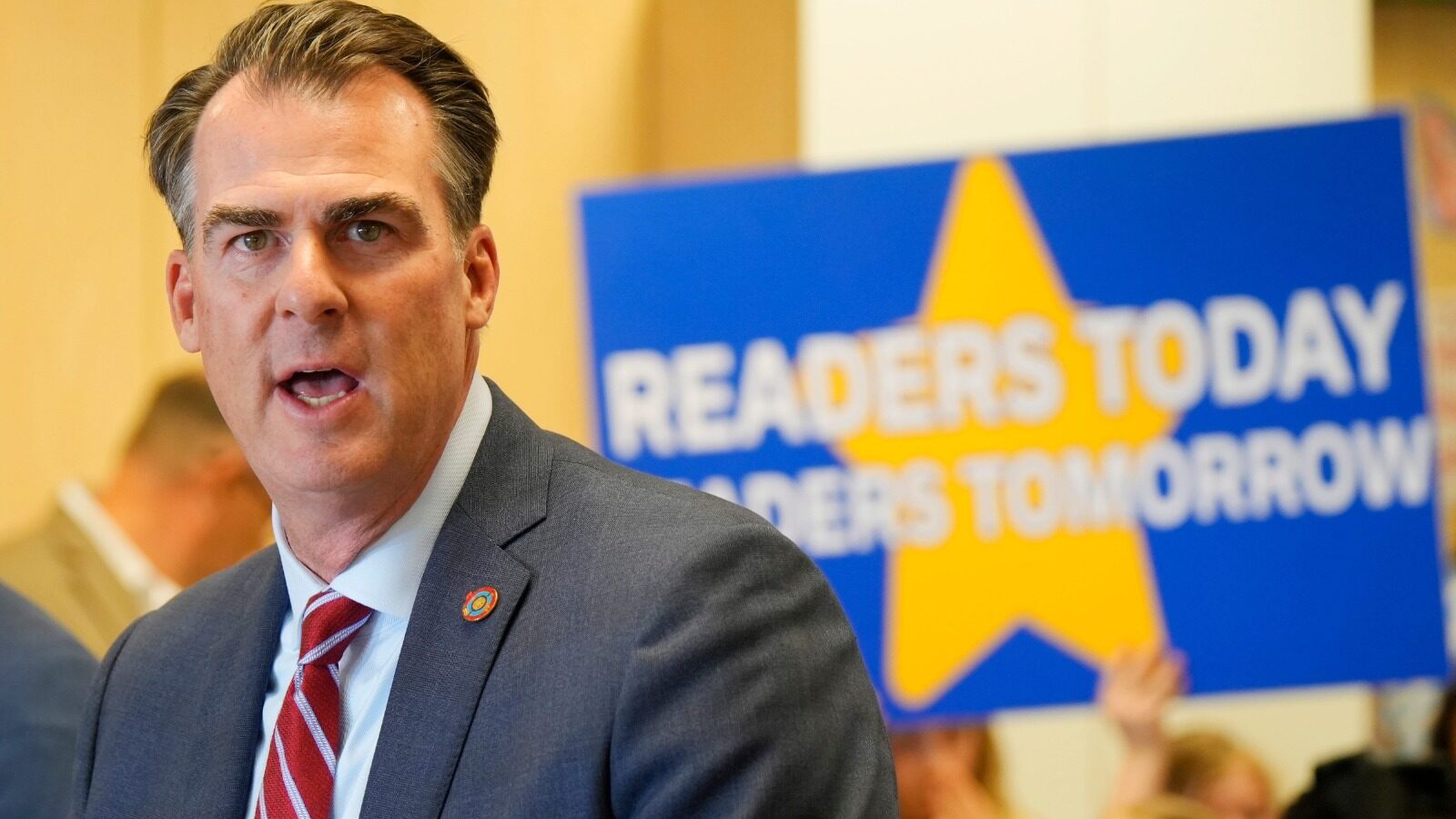
In his eight years in the Oklahoma’s governor’s mansion, Kevin Stitt has had a rocky and contentious relationship with Indian Country. Among the highlights (lowlights?), he divided the tribes by making a deal with four tribes to offer legal sports betting that was ultimately shot down by the courts and pitched a proposal that would have allowed the Oklahoma Thunder to be a licensed online betting provider and infringe on tribal exclusivity. Tribal leaders have long said they wouldn’t back any gaming proposals until Stitt leaves office.
Primary day in Oklahoma was Tuesday. Cyndi Munson won the Democratic primary, and Attorney General Gentner Drummond and ex-lawmaker Mike Mazzei will advance to the Republican runoff. None of the candidates list legal online sports betting as a priority, but at the very least, tribes believe they will be rid of an adversary.
“Gov. Stitt was actively trying to promote the tribes not having exclusivity,” said Choctaw Nation Senior Director of Cage, Credit & Digital Tom McDonald at the SBC Summit last week. “He wanted to sell licenses. He’s not a fan of tribes. He would like to see commercial gaming in the state of Oklahoma.”
The Wisconsin legislature in March approved a bill that will create the second hub-and-spoke online sports betting market in the U.S. The only other one is in Florida. Evers signed the law that gives the state’s 11 tribes exclusivity and allows them to offer digital wagering across the state. From here, tribes must negotiate compacts with the governor’s office, but Evers is on his way out, giving Indian Country less than seven months to get at least one compact done with him.
Evers, who reportedly has started compact negotiations with some of the tribes, has been clear that he will only agree to compacts that are equitable for all tribes. While each Wisconsin tribe compacts individually, all have a “me-too” clause in their compacts, meaning that whatever is in one compact can be in another with no major questions, so getting one done by the end of the year would go a long toward allowing Evers to have his stamp on legal online sports betting.
The Wisconsin primary is set for Aug. 11, and there will be eight Democratic and two Republican candidates to choose from. None have made gambling or sports betting a key issue.
In other news …
Illinois: On Tuesday, Gov. JB Pritzker signed the state budget, which includes language to regulate prediction markets, though it’s unclear how the state would enforce the framework on federally regulated entities.
HB 3019 calls for prediction markets to be taxed on the same 20%-40% used for state-regulated sportsbooks, with an additional per-transaction tax of 1.75% on each exchange wager for the first 5 million wagers and 3.5% after that. The CFTC, which sued the state earlier this year, this week amended its lawsuit in response to the new law.
The new law also lowers the $20 million application fee for a standalone mobile event wagering license to $15 million and brings daily fantasy sports under state regulation.
New Jersey: A bill that seeks to put a legal framework around prediction markets and their sports event contracts was filed June 11. S 4447, sponsored by Sens. Nicholas Scutari and Paul Sarlo, would regulate prediction markets as well as ban politicians from trading on election markets. It would also ban certain state and other employees from being employed by an “athletic event market operator” or applicant within five years of leaving their current position.
The proposal calls for a $5 million license fee and would tax prediction platforms at 19.75%, the same amount online sportsbooks are taxed. The bill would impose an additional 10% “surcharge on the sums received by the operator of a prediction market derived from speculative positions opened on the prediction market, not including speculative positions opened on an athletic event market, by a participant who is a resident of this State, which surcharge shall be paid by the operator of such prediction market.”
In what appears to be a first-of-its-kind proposal, the bill calls for prediction market servers to be located on the property of the sportsbook it partners with. It would also require the Division of Gaming Enforcement to create a “public awareness campaign” that would include an explanation of the difference between traditional sportsbooks and prediction markets. The proposal was referred to the Senate Budget and Appropriations Committee.
In February, Sens. Shirley Turner and John McKeon introduced a bill that would ban some prediction market products and put a legal framework around others, including sports event markets. The bill, which was referred to the Senate State Government, Wagering, Tourism & Historic Preservation Committee, has not yet had a hearing.