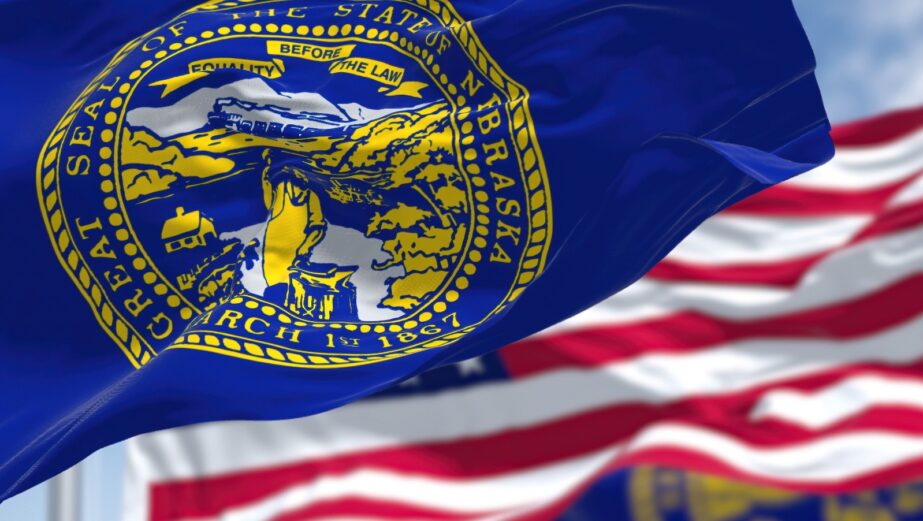
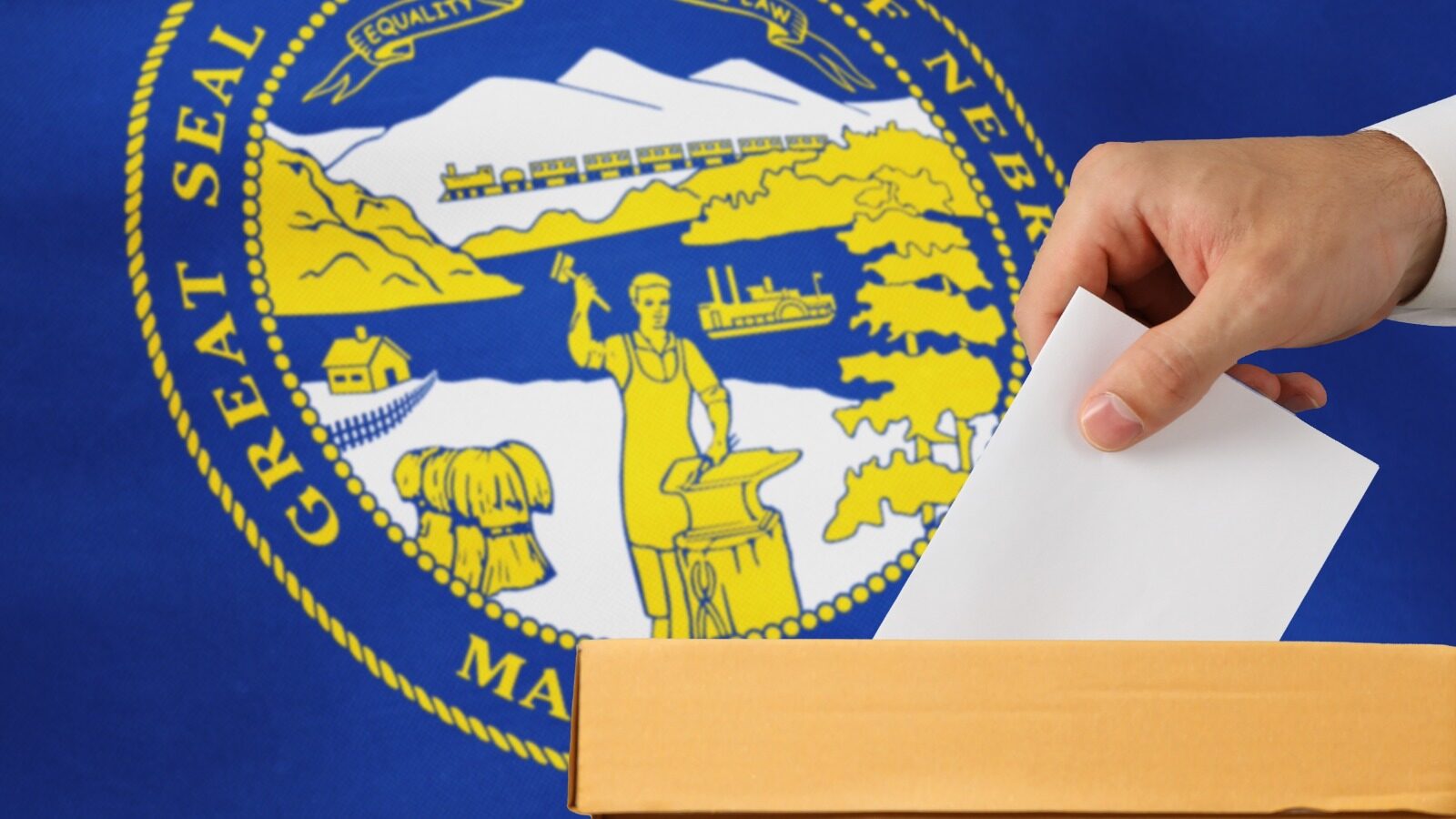
A pair of initiatives that would have added online sports betting in Nebraska were losing, 54%-46%, as of 12:05 a.m. CT Wednesday, with more than 95% of votes counted, according to the Nebraska Secretary of State’s election tracking website — meaning the fates of the initiatives were decided at that hour.
The loss means that 2026 will likely close with only one state — Wisconsin — having legalized or expanded legal sports betting. Lawmakers in Wisconsin voted in March to add online sports betting to tribal compacts and make it available throughout the state.
Nebraska initiatives 440 and 441, a package that included a constitutional amendment to legalize online sports betting and an initiative with a framework, would have allowed the state’s racinos to each add two digital skins. Retail sports betting has been legal in Nebraska since voters made it so on Nov. 3, 2020, and the first bets were taken in June 2023.
The state is the only one that had a sports betting initiative on the ballot. The last state to expand or add sports betting via initiative was Missouri, where voters did so in November 2024. That state launched in-person and digital platforms Dec. 1, 2025.
Fight was contentious
Since the ballot initiatives were assigned numbers in September, the fight to add online sports betting in Nebraska got contentious. The proposal package was backed by major national sports betting operators bet365, BetMGM, DraftKings, Fanatics Sportsbook, and FanDuel — all members of the Sports Betting Alliance (SBA), which previously said it would give “Nebraskans the opportunity to turn an emerging online sports wagering market into a new source of property tax relief.”
The group collectively staked its local campaign entity, Tax Relief Nebraska, with more than $22 million.
The SBA did not immediately return a request for comment late Tuesday night. But Lynne McNally, director of government relations for local supporter WarHorse Casino, told Nebraska Public Media, “It really is regrettable that we are not able to regulate and tax this activity because it should be subject to tax. There needs to be reasonable regulations on these activities, addressing problem gambling. Without these measures, that’s not going to happen. It’s gonna continue to be the Wild West out there.”
Nebraska does not allow retail betting on local teams when the teams are playing at home, or prop bets on Nebraska teams, no matter where they are playing. Those restrictions and the lack of online sports betting send bettors across the border, many to an Iowa cornfield just over the eastern border to wager.
Opponents leaned into protection, integrity
But opponents mounted a broadcast advertising campaign that focused on protecting consumers, particularly kids, and preserving the integrity of sports in the state.
“In Nebraska, sports aren’t entertainment we buy,” reads the Save Nebraska Sports website. “They’re how we raise our kids, how our towns gather on Friday nights, and how a state of two million people fills a stadium every fall Saturday.
“Legalizing online sports gambling changes what a game means. It turns a player into a line, a play into a payout, and a fan into a customer. It moves money out of Nebraska kitchen tables and into out-of-state sportsbooks, and it hands every 14-year-old with a phone a front-row seat to it.”
Save Nebraska Sports also pointed to the limited amount of property tax relief a homeowner would likely see. While Tax Relief Nebraska promised $166 million in property tax relief over 10 years, that $16.6 million per year pales in comparison to the estimated $5.3 billion the state collects from homeowners annually. Some put the “relief” estimate at about $15 per tax bill.
Opposition politicians kept seats
Save Nebraska Sports is a coalition headlined by Nebraska football icon Tom Osborne. The Nebraska Family Alliance, State Auditor Mike Foley, State Treasurer Joey Spellerberg, and Nebraska fullbacks and returns coach Ron Brown are also key figures in the opposition camp. At a press conference introducing the group in September, Brown called gambling “the filth and disease of greed.”
Spellerberg was comfortably winning his race, 56%-44%, early Wednesday morning while Foley had a 74%-26% lead in his race. U.S. Sen. Pete Ricketts, who along with Spellerberg and Foley over the weekend withdrew support for a local Republican legislative candidate who sold Tax Relief Nebraska broadcast airtime, retained his seat against challenger Dan Osborn. Incumbent Republican Gov. Jim Pillen, who has been open to a sports betting expansion, was declared the winner early in the morning over Democratic challenger Lynne Walz.
Per the Secretary of State website, 612,542 of 1,265,162 registered voters — or just over 48% — cast ballots.